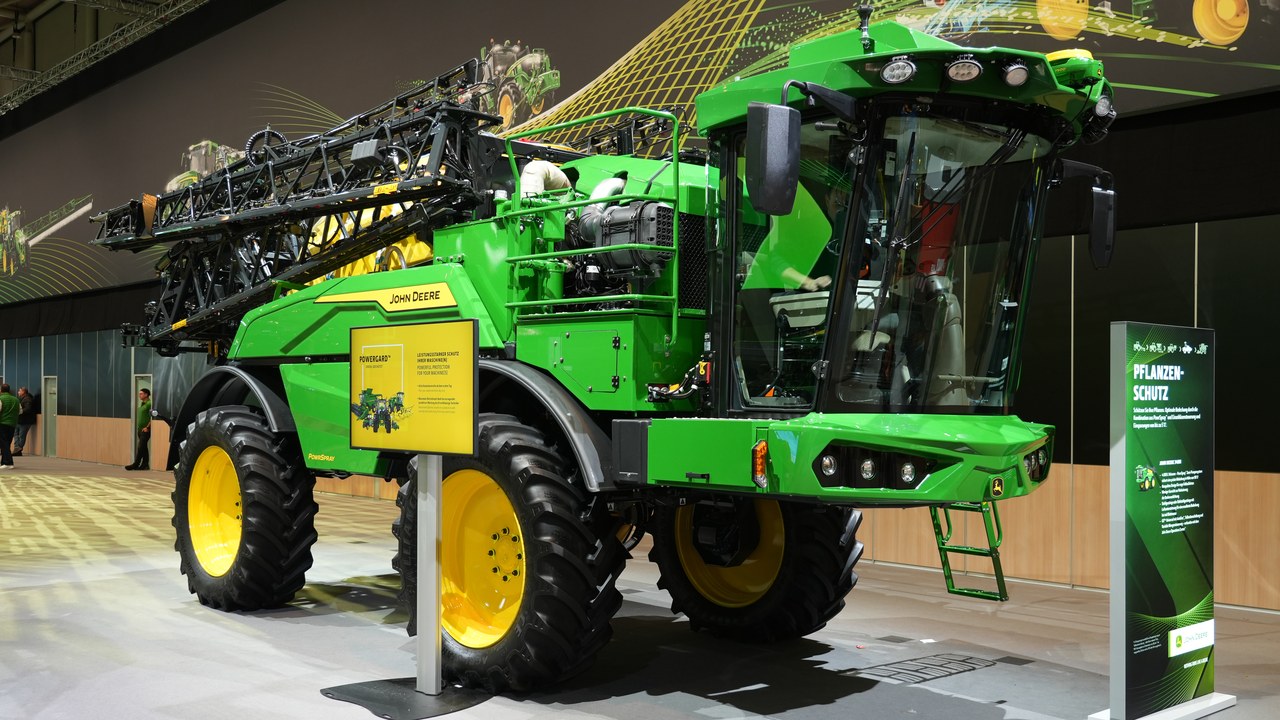
Farmers who needed a Deere-brand tractor or combine repaired have spent years complaining that only an authorized dealer could do the job, even for routine work a local independent shop was equipped to handle. A federal antitrust lawsuit turned that complaint into a $99 million cash settlement, plus interest, covering anyone who paid for repair services on large Deere agricultural equipment going back to early 2018. John Deere denies any wrongdoing, but the deal is now moving toward final court approval, with a hard deadline for farmers and other equipment owners to file a claim before the year is out.
The Right-to-Repair Allegation Behind the Case
The case, In re Deere & Company Repair Services Antitrust Litigation, No. 3:22-cv-50188 (MDL No. 3030), pending in the Northern District of Illinois, alleged that Deere ran an anticompetitive scheme by withholding repair tools and diagnostic software from customers and independent repair providers for equipment built around electronic control units. Because those tools weren’t available outside Deere’s own dealer network, the lawsuit claimed, customers were effectively forced to pay Deere-authorized dealers for diagnosis, maintenance and repair work they might otherwise have gotten done cheaper elsewhere, and paid more as a result. Deere disputes the allegations, and the court has not ruled on who’s right; the settlement resolves the case without a trial.
Free retirement updates: Want plain-English help keeping more of your money in retirement? The free Retirement Shield newsletter covers the benefits, deadlines, and money mistakes that cost retirees, a couple times a week. Subscribe free.
Who Qualifies and What Counts as a Repair
Coverage is specific: anyone who purchased repair services for Deere large agricultural equipment, from John Deere directly or from an authorized Deere dealer in the United States, between January 10, 2018 and May 18, 2026 is part of the settlement class. That’s a farmer, a custom operator, or any business that owns or operates large Deere equipment and paid a dealer for diagnostic work, maintenance or repairs during that period, regardless of how many separate repair jobs were involved.
A $99 Million Cash Fund, and a Much Larger Number Attached to It
The headline number is $99 million in cash, plus interest that has been accruing since mid-January 2026, and that’s the figure being distributed through the claims process covered by this article. Separately, the settlement includes injunctive relief requiring Deere to make repair capabilities and diagnostic tools available to farmers and independent repair shops going forward, changes the parties’ own expert estimates could be worth hundreds of millions more over time. That non-cash relief matters for the industry, but it isn’t money that lands in an individual claimant’s account, and it isn’t something a farmer has to file paperwork to receive.
Filing Before December 31, Using Deere’s Own Records
Filing a claim is the only way to get a share of the $99 million cash fund; simply being covered by the injunctive relief doesn’t put money in anyone’s pocket. Claims must be submitted on or before December 31, 2026, either online through the settlement website or by mailing a completed paper claim form. Anyone who wants to opt out of the settlement and preserve the right to sue Deere independently has a shorter window, with exclusions due by December 4, 2026, nearly a month before the claim deadline itself.
Owners generally don’t need to dig through years of old invoices to file. Deere’s own dealer network keeps repair and service records tied to equipment and customer accounts, and the claims process is built to draw on those existing records rather than require every claimant to produce a paper trail on their own. Farmers who aren’t sure whether a specific repair job falls inside the January 2018 to May 2026 window can still file and let the claims administrator match it against Deere’s records rather than assuming it won’t count.
The FTC’s Separate, No-Payment Settlement
A wrinkle in this case that doesn’t show up in most settlements: the Federal Trade Commission and attorneys general from five states reached their own, separate settlement with Deere over the same repair-access practices. That FTC settlement covers injunctive relief only and does not provide any monetary payment to individual farmers or equipment owners, even though it addresses largely the same conduct as this private class action. Anyone who gets a notice about the FTC settlement shouldn’t mistake it for this one; the money is only available through the private claims process with the December 31 deadline.
What’s Left Before Any Money Moves
Final approval still has to happen before any checks go out. The court has scheduled a final approval hearing for January 19, 2027, after the December 4 exclusion deadline and the claim deadline have both passed, where a judge will weigh whether the settlement’s terms, including the requested attorneys’ fees, are fair to the class. Class members who file on time and don’t opt out remain eligible for a share of the fund once that approval comes through and any appeals are resolved, which is standard for a case of this size moving through federal court. Doing nothing at all means staying in the class without gaining the right to sue Deere separately over the same repair-access claims, so for anyone who paid a Deere dealer for repair work since 2018, filing by December 31 is the only path to an actual payment.
This article was produced with AI assistance and reviewed by a human editor. Figures are linked to their primary sources; where a claim could not be verified from the public record, we say so.
More Financial Reading