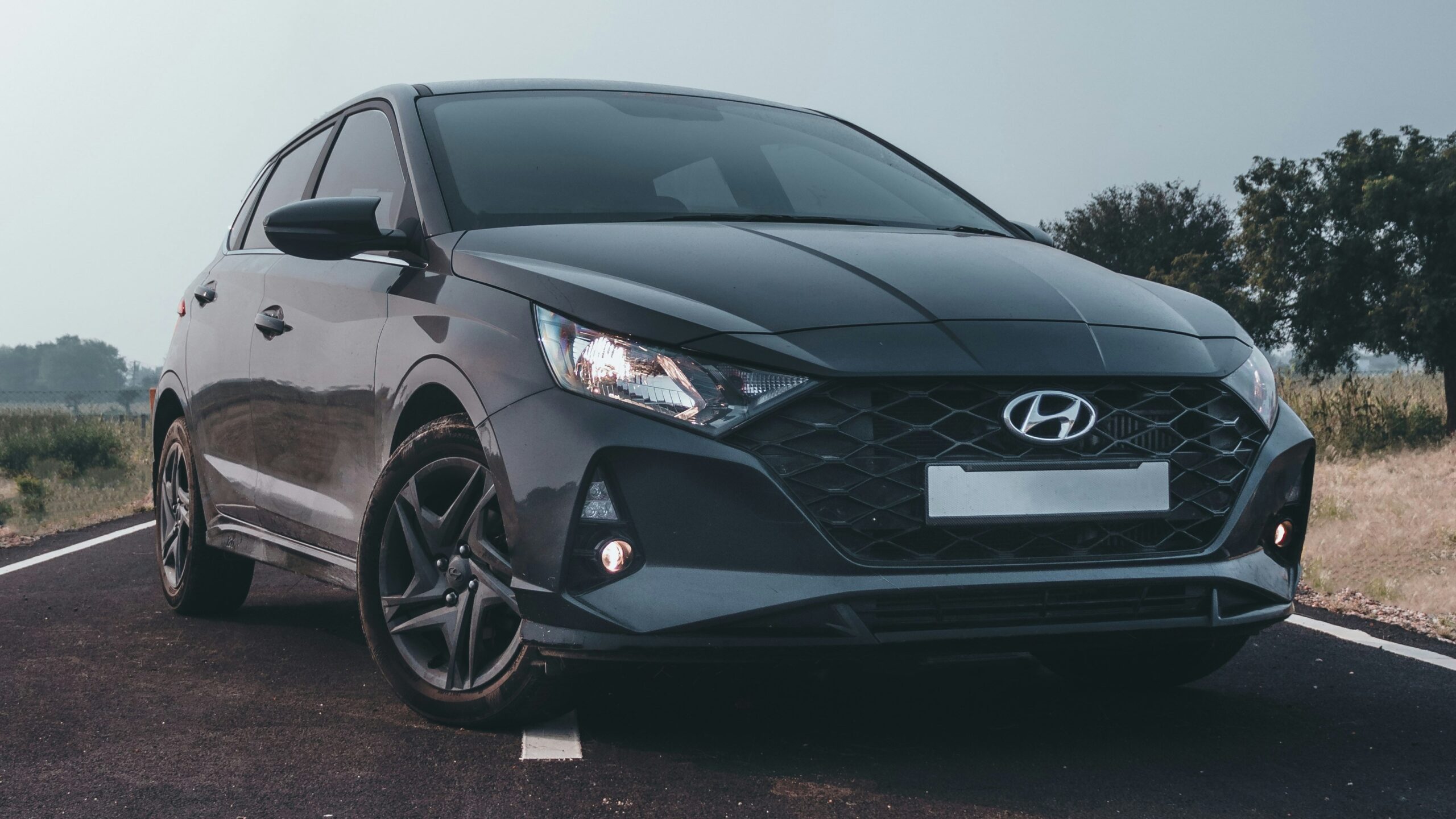
An airbag that doesn’t deploy in a crash isn’t a minor defect, and that’s the allegation behind a nationwide settlement covering millions of Hyundai and Kia vehicles built over more than a decade. Lawsuits consolidated into multidistrict litigation in California alleged that certain airbag control units, made by ZF-TRW and installed across a range of Hyundai and Kia models, are vulnerable to a condition called electrical overstress that can keep airbags and other safety systems from firing when they’re needed most. The two automakers deny wrongdoing but agreed to a settlement worth $62.1 million, and the window to file a claim runs well into 2027.
The Airbag Defect Behind the Recalls
The case is part of a larger legal fight over the same ZF-TRW airbag control units, which also produced separate settlements with other automakers building on the same supplier’s parts, including Toyota and Mitsubishi. In the Hyundai and Kia settlement, the court has granted final approval, and the affected vehicles were already the subject of federal safety recalls tied to the same electrical overstress issue before this settlement was reached, meaning many owners may have already had recall repair work done on the exact defect the lawsuit is about.
Free retirement updates: A quiet rule change can shrink your Social Security or Medicare check, and no one warns you. The free Retirement Shield newsletter catches these early and tells you what to do. Get it free.
Which Vehicles and Which Owners Qualify
Coverage runs to a specific list of models and model years, laid out in the official settlement notice: the 2011 through 2019 Hyundai Sonata and Sonata Hybrid, the 2018 through 2023 Hyundai Kona, the 2022 and 2023 Hyundai Kona N, the 2019 through 2021 Hyundai Veloster, the 2010 through 2013 Kia Forte and Forte Koup, the 2011 through 2020 Kia Optima and Optima Hybrid, and the 2011, 2012 and 2014 Kia Sedona. Eligibility isn’t based on when someone bought the car; it’s based on whether they owned or leased one of those vehicles on a single date, April 14, 2025, whether that ownership started years earlier or the vehicle has since been sold.
Two Layers of Payment, Still Being Finalized
Payment comes in layers under the terms posted at ACUSettlement.com. Every eligible claimant qualifies for a residual distribution of up to $350 if their vehicle was part of the airbag recall, or up to $150 if it wasn’t recalled, regardless of whether they spent a dime dealing with the issue. On top of that, owners of recalled vehicles can seek reimbursement for documented out-of-pocket costs tied to getting the recall repair done, including rental cars, towing, childcare and lost wages from the time spent at the dealership. Those out-of-pocket claims require receipts; the flat residual payments do not.
Because the court has already granted final approval, this settlement is further along than many that are still waiting on a fairness hearing. That doesn’t mean payments have already gone out, though. Final per-claimant amounts on the residual distribution still depend on how many valid claims get filed by the deadline, since that flat pool is divided among everyone who claims it, on top of whatever’s paid out for documented out-of-pocket expenses first. A claimant filing today still won’t see a number confirmed until the claims window closes and the total pool of valid claims is known.
The Deadline Discrepancy Worth Knowing About
One detail is worth flagging directly: several settlement-tracking sites still list the claim deadline as March 29, 2027, while the settlement’s own administrator lists it as April 8, 2027. When a court-authorized settlement notice and a third-party aggregator disagree, the administrator’s own page is the one that governs a claimant’s actual rights, and as of this week that page confirms claims are open through April 8, 2027. Anyone relying on an older aggregator listing should double-check the live date before assuming they’ve missed the window.
Filing a Claim With or Without a Notice
Filing doesn’t require a lawyer or a fee. Owners who received a notice with a Unique ID can file online in a few minutes using that ID and their vehicle’s VIN. Anyone who never got a notice, or lost it, can still file by supplying other proof of ownership, such as a title, registration or purchase agreement showing their name and VIN, and the settlement website has a VIN lookup tool to confirm whether a specific vehicle is on the covered list before a claimant starts the process. Out-of-pocket reimbursement claims are the one category that requires documentation regardless of Unique ID status, since those amounts vary claim to claim and have to be tied to an actual receipt.
What the Settlement Adds Beyond Cash
Beyond the cash payments, the settlement also locks in a ten-year extended parts warranty on airbag components installed during recall repairs, along with a vehicle inspection program and an outreach effort meant to push up how many recalled vehicles actually get fixed. None of that requires filing a claim form; it applies automatically to class members regardless of whether they seek a cash payment. For current or former owners of an eligible Sonata, Kona, Veloster, Forte, Optima or Sedona, the practical decision is simply whether to spend the few minutes it takes to file before the claims window closes, since the non-cash protections apply either way but the cash payments do not arrive without a claim on file.
This article was produced with AI assistance and reviewed by a human editor. Figures are linked to their primary sources; where a claim could not be verified from the public record, we say so.
More Financial Reading