
Category: Saving & Banking
-
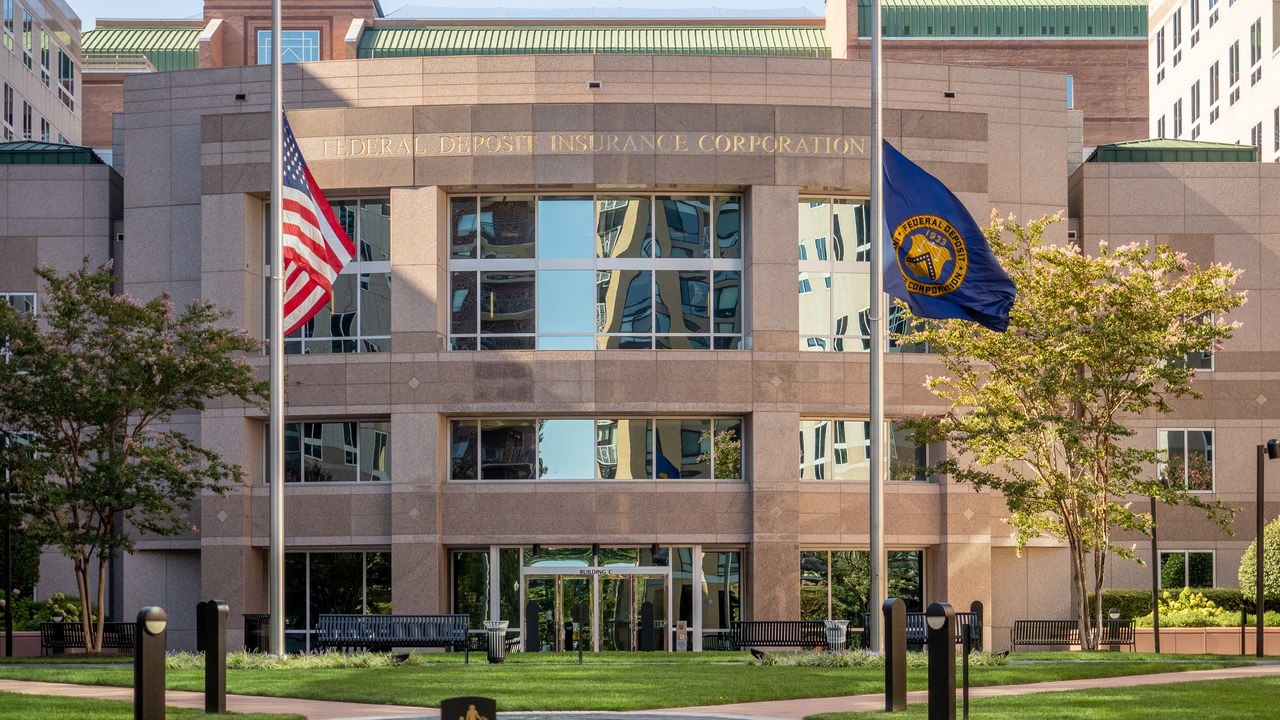
No American bank has failed in more than two weeks, and the year’s count is still five
The last bank to close its doors in the United States was Tioga-Franklin Savings Bank, a single-branch lender in Philadelphia holding $68 million in deposits. Pennsylvania regulators shut it down on August 21, 2026, and every account moved overnight to a nearby institution with no interruption in service. That was more than two weeks ago.…
-

Auto lenders will start sending borrowers a yearly interest statement once the total passes $600
If you paid $600 or more in interest on a car loan this year, your lender now has to tell you about it in writing — the same way your mortgage company already does every January. The Treasury Department and the IRS finalized the rule on September 4, 2026, closing out months of back-and-forth over…
-
Regulators closed a federal credit union outright, and all 183 members keep their money up to $250,000
Federal regulators shut down a small credit union in the St. Louis suburbs this summer, the kind of local financial institution most people never think about until it fails. The National Credit Union Administration liquidated African Diaspora Federal Credit Union in Saint Ann, Missouri, after finding the institution insolvent and operating in an unsafe and…
-
More homeowners are 90 days behind on a mortgage than a year ago, at 1.52 percent against 1.29
Homeowners are falling seriously behind on their mortgages at a higher rate than they were a year ago, even as the country’s total mortgage debt actually shrank over the same three months. New data from the Federal Reserve Bank of New York shows the share of mortgage balances sliding into serious delinquency climbed to 1.52…
-

The average rate on a credit card balance carried month to month is 22.15 percent
Anyone who ends a billing cycle owing money on a credit card is now paying more than one in five dollars of that balance back in interest over a year, according to the Federal Reserve’s latest count of what banks actually charge. The number covers everyone who doesn’t pay their statement in full, not just…
-
Five federal agencies told banks this week they are allowed to say why an account was frozen
When a bank freezes an account, rejects a deposit, or shuts down a customer relationship altogether, the explanation people usually get is nothing at all — a form letter, a dead-end phone call, or a teller who says compliance rules forbid discussing it. On September 2, 2026, five federal financial regulators told banks and credit…
-
Breaking a cash deposit into amounts under $10,000 is its own federal crime
Federal law does not just require banks to report large cash transactions. It separately makes it a crime to deliberately break a cash transaction into smaller pieces specifically to dodge that report — even if the money itself came from a paycheck, a garage sale, or a lifetime of saving under the mattress. The rule…
-
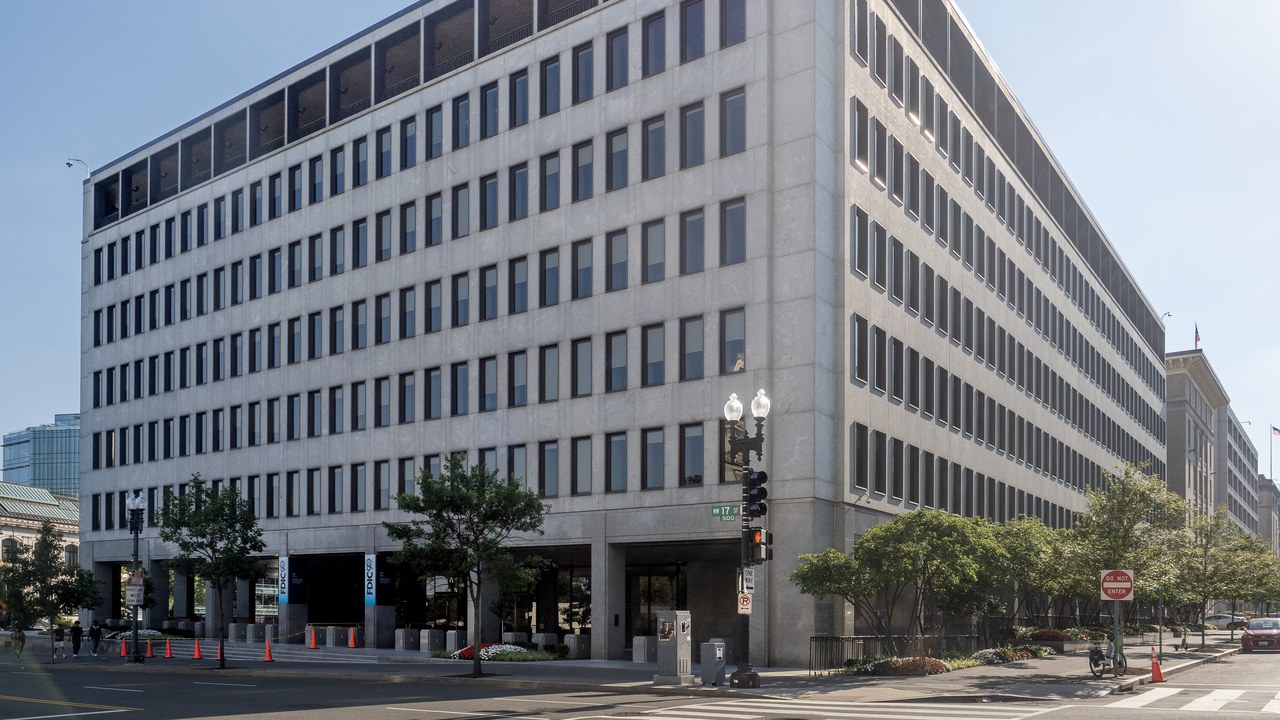
Regulators raised to $30 billion the deposits a bank can swap through a network that insures past $250,000
The Federal Deposit Insurance Corporation adopted a rule on August 27, 2026 that lets a bank move far more money through reciprocal deposit networks, arrangements that let one large balance carry full federal deposit insurance even though it runs well past the standard $250,000 coverage limit that applies to any single account at any single…
-
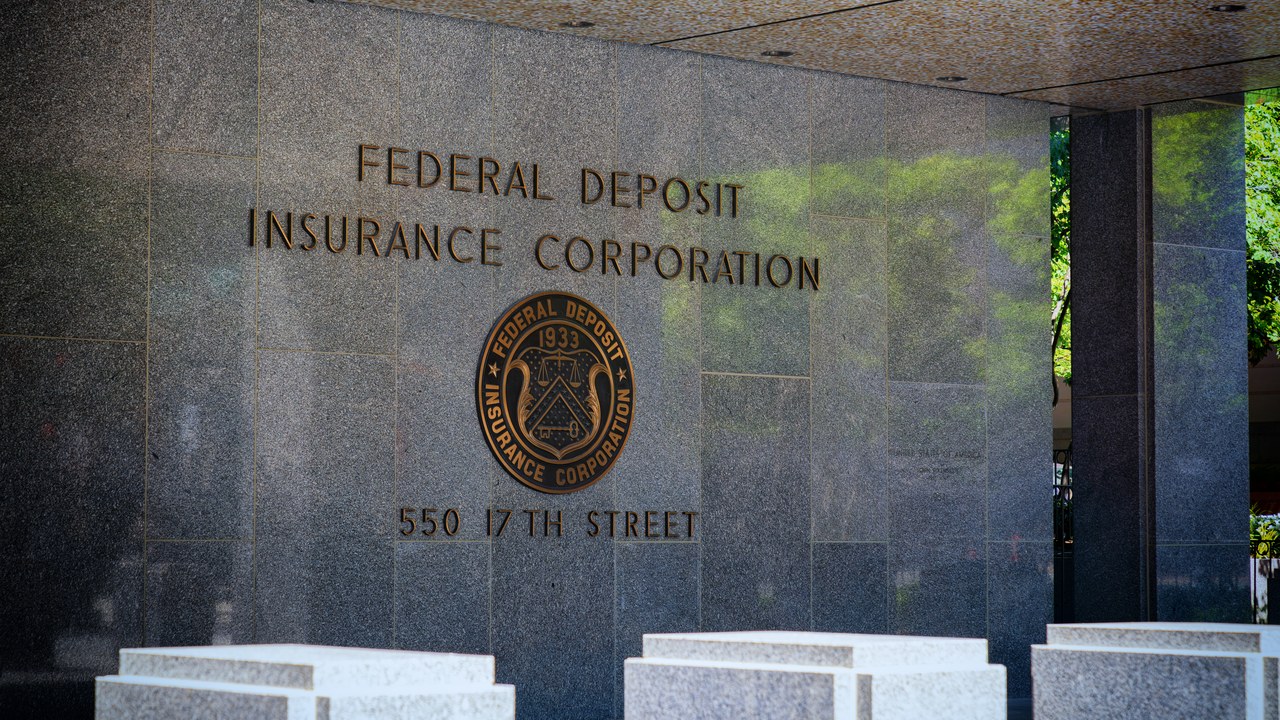
The fifth American bank failure of 2026 cost the deposit insurance fund about $5.5 million
Tioga-Franklin Savings Bank, a single-branch lender in Philadelphia’s Tioga neighborhood, closed on August 21, 2026, after the Pennsylvania Department of Banking and Securities took possession of the institution and named the Federal Deposit Insurance Corporation as receiver. It was the fifth bank to fail in the United States this year, and the FDIC estimates that…
-
Capital One raised the rate on its older 360 Savings accounts on August 4
Capital One customers who have held on to an older 360 Savings account got a rate bump on August 4, 2026, when the bank raised the interest paid on that legacy product to match its newer, higher-paying 360 Performance Savings account. For years, the two accounts paid very different rates even though they functioned almost…