
Category: Fees & Overdraft
-

Two credit unions are automatically refunding overdraft and NSF fees, and members don’t have to file a claim
Overdraft and bounced-check fees are among the most resented charges in banking, so it is worth noting when members get some of that money back. Two credit unions have agreed to settle claims that they charged improper overdraft and non-sufficient-funds fees, and the standout feature for affected members is what they do not have to…
-

Miss the September 14 deadline and your share of SunTrust’s $240 million overdraft settlement stays with the bank
This settlement does not pay eligible people automatically. A Georgia customer who ignores the notice gives up the payment, releases the covered claims anyway, and leaves the account’s allocation with SunTrust. September 14 is therefore a real money deadline, not an administrative suggestion. The class is narrower than “anyone charged an overdraft fee” The lawsuit…
-
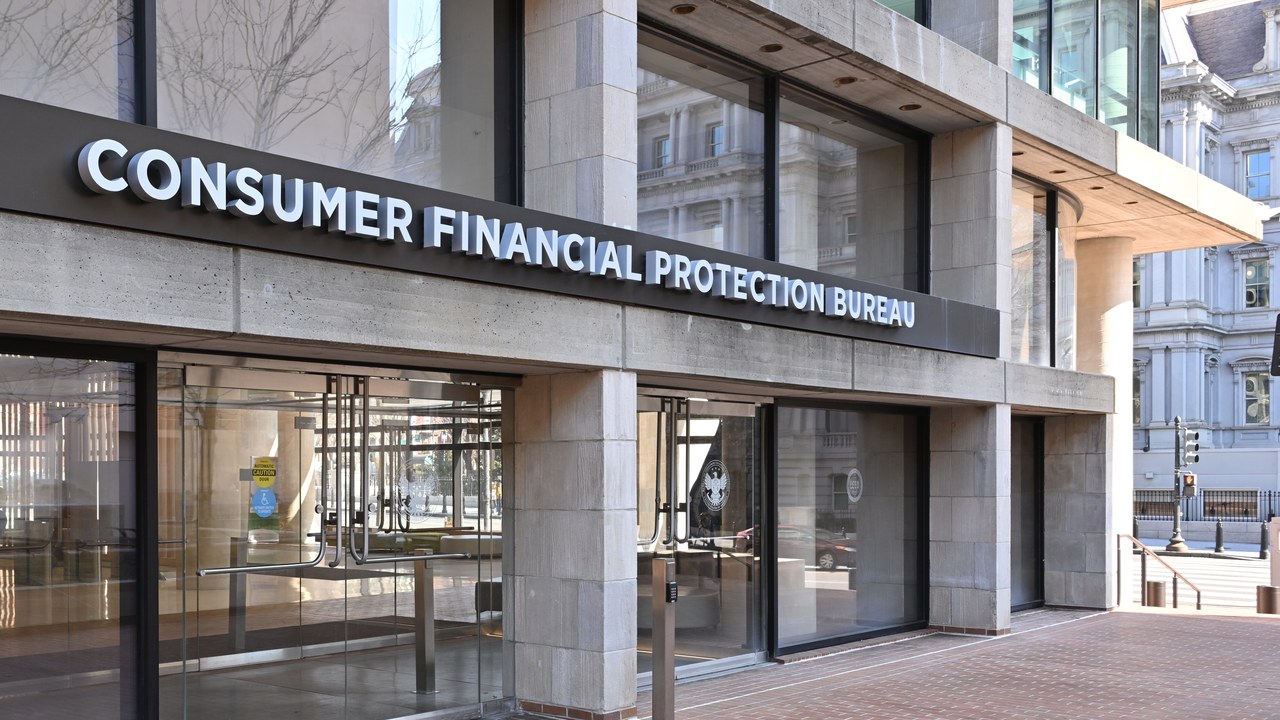
Banks and credit unions took more than $12 billion in overdraft fees last year with no federal cap
A lot of households came out of 2024 believing overdraft fees had finally been capped by federal rule. A rule really was written, finalized and published, with an effective date sitting on the calendar. It never took effect. There is still no federal limit on what a bank or credit union may charge you when…
-

A checking account advertised as free cannot charge monthly or minimum-balance fees
“Free checking” is not supposed to mean free only until a balance dips or the calendar turns. When a bank or credit union advertises an account as free or no cost, federal rules bar monthly service charges and fees for failing to maintain a minimum balance. Other charges can still apply, so the account’s name…
-

A debt collector’s pay-to-pay fee is illegal unless your contract or the law permits it
A few dollars added to every phone or online payment can make an already difficult debt more expensive. Federal consumer guidance says a third-party debt collector may collect that pay-to-pay charge only when the agreement that created the debt expressly authorizes it or a law specifically permits it. Silence in the contract and silence in…
-
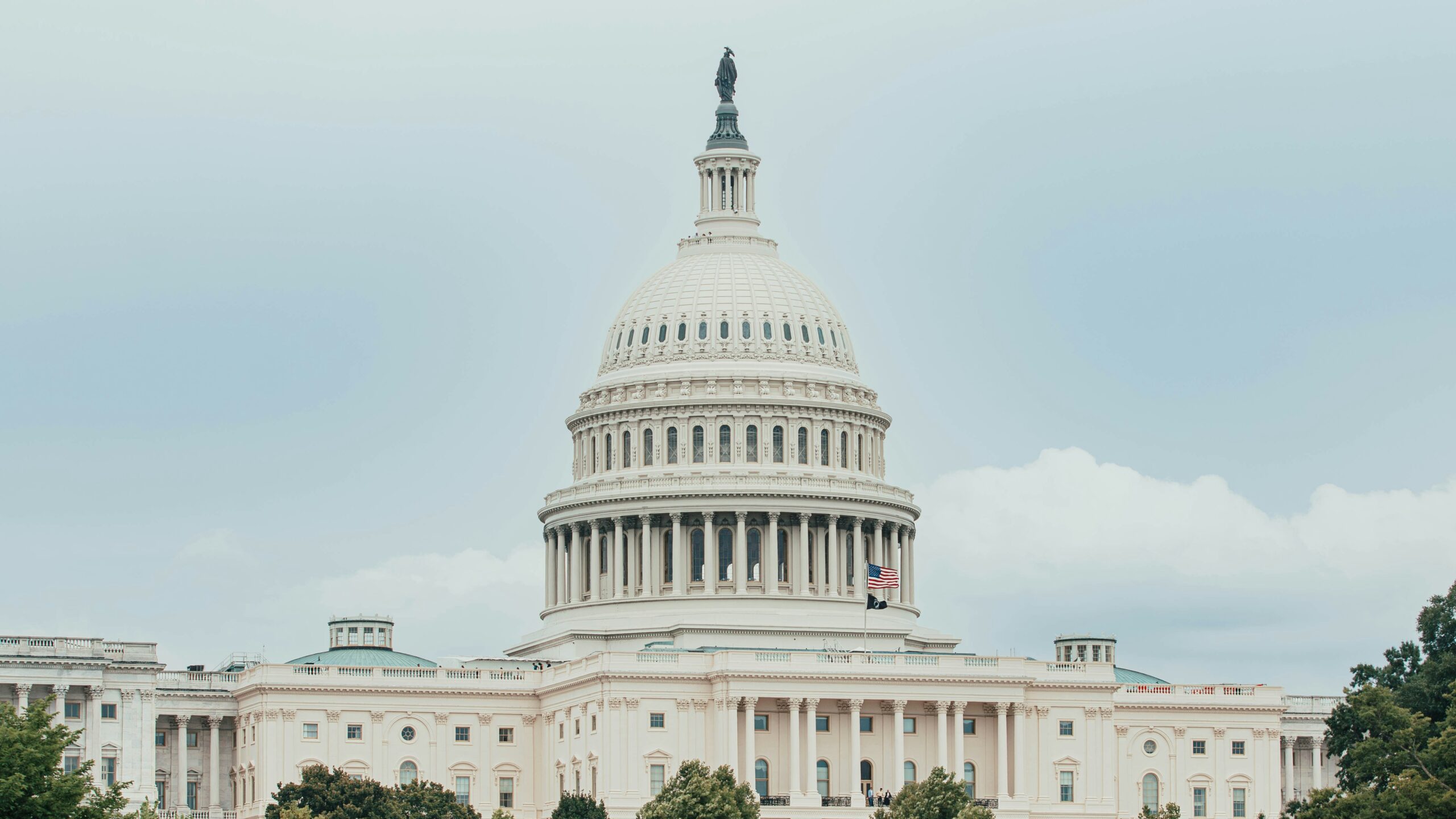
There is no federal $5 cap on overdraft fees — Congress killed that rule before it ever took effect
Ask around and a fair number of people will tell you that a bank cannot charge more than five dollars when an account goes negative. It is a specific, confident, widely repeated belief, and it is wrong in two directions at once. No such limit is in force today. And even the rule that people…
-

Federal credit unions can now charge fees your state law used to cap
For decades, two layers of law sat on top of what a credit union charged for an account. A federal layer set the outer boundaries, and a state legislature could tighten certain charges further. As of the end of June, for federally chartered credit unions, only one of those layers still operates. A National Credit…
-

Opting Out of Overdraft: What Changes at the Register
Federal rules make debit-card overdraft coverage opt-in, not automatic. Here is what actually happens at the register when you say no, and how to check your status.
-

ATM Fees Add Up: How to Stop Paying Them Entirely
Every out-of-network withdrawal can trigger two separate ATM fees. Here’s how the charges work, where they’re disclosed, and six ways to pay zero.
-

Checking Account Fees: The Waivers Banks Rarely Mention
Most checking account maintenance fees can be waived — through direct deposit, a minimum balance, or an account the bank doesn’t advertise. Here’s how.