
Category: Credit & Debt
-
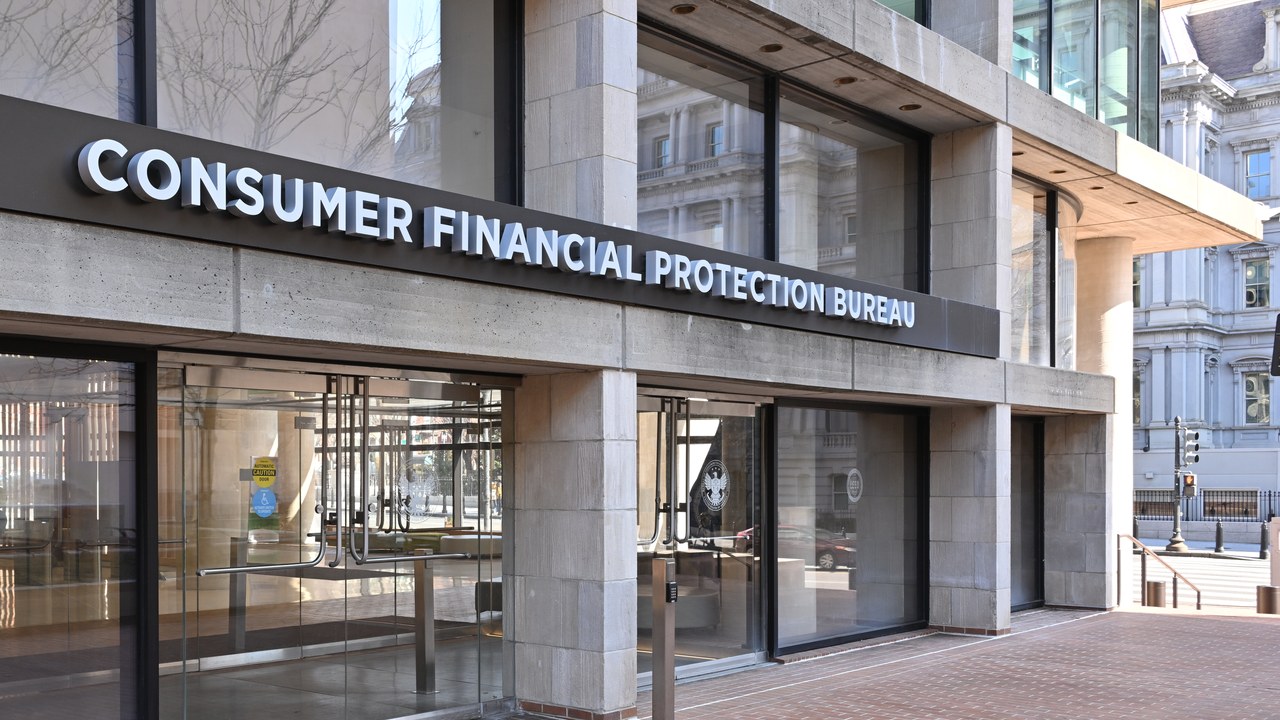
A House bill would cut consumer bureau supervision to banks above $30 billion, up from $10 billion
A group of House Republicans introduced a bill this week that would redraw the line determining which banks answer directly to the federal government’s consumer watchdog. Right now, banks with more than $10 billion in assets are examined directly by the Consumer Financial Protection Bureau for how they handle overdraft fees, credit card terms and…
-

A parent borrowing for college this year is locked into 9.07 percent for life
Federal Student Aid set new interest rates for the 2026-27 academic year in a June 4 announcement, and the numbers are steep across every loan category. A parent who takes out a Direct PLUS Loan to help cover a child’s tuition this fall will pay 9.07 percent for as long as that loan exists —…
-
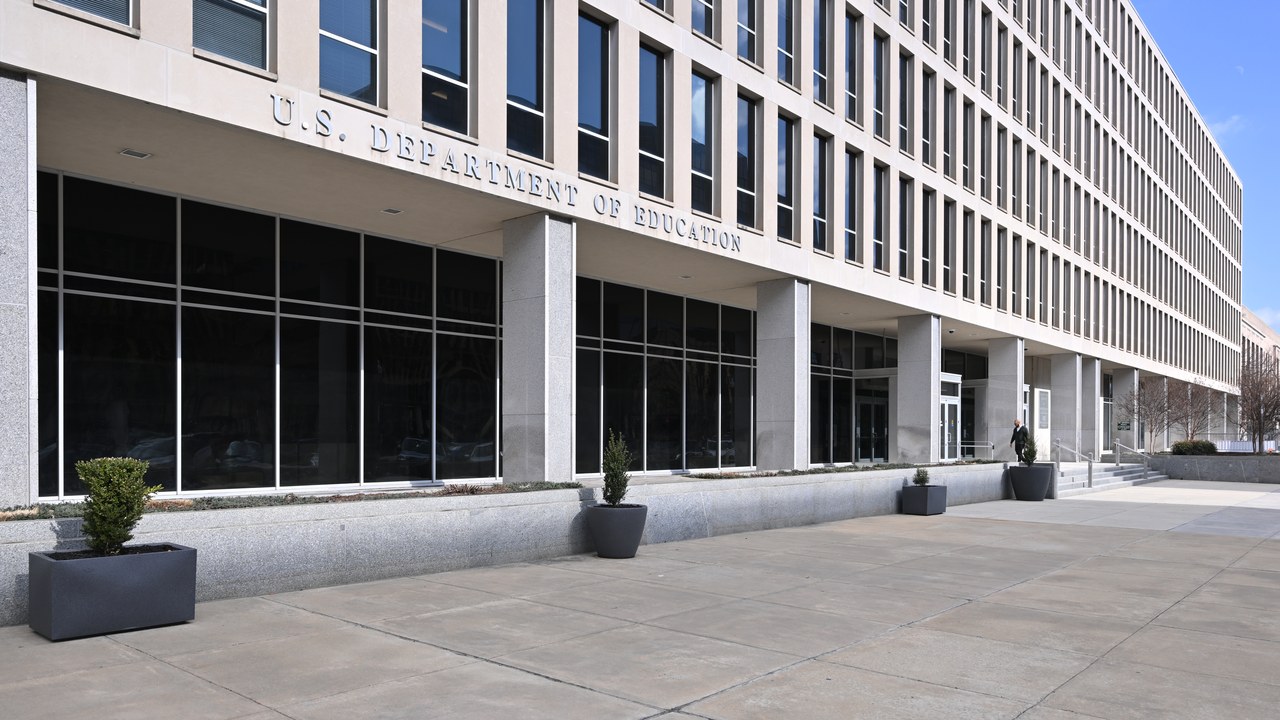
The Education Department will use Social Security disability records to find loans it can erase
The Department of Education published a notice on August 25 re-establishing a data-sharing arrangement with the Social Security Administration that flags federal student loan borrowers the SSA has already determined are disabled. Borrowers won’t have to track down a doctor’s certification or mail in a paper application to start the process — the match is…
-

Borrowers have until September 30 to turn on auto-pay and cut a federal student loan rate a full point
Federal student loan borrowers who still write a check or log in every month to pay their bill are missing out on a discount that their auto-pay peers are already banking. The U.S. Department of Education says that gap closes for good on September 30, when the deadline passes for new enrollees to lock in…
-
Under the Education Department’s new repayment plan, a student loan balance can no longer grow while payments are made
Millions of federal student loan borrowers have watched a monthly payment go out and their balance somehow tick up anyway, a result of interest accruing faster than income-based payments could cover it. The Education Department’s new repayment system is built specifically to stop that from happening. Under the plan the department finalized this year, a…
-

Lenders now keep reporting charged-off card debt for years, and 23 million Americans have one on file
Charged-off credit card debt is sticking around on borrowers’ credit reports far longer than it used to, new Federal Reserve research shows. New research from the Federal Reserve Bank of New York shows that lenders have become far more persistent about keeping those charged-off balances visible on credit reports long after the debt itself has…
-

Household debt fell $13 billion last quarter, but 10.6 percent of student-loan balances are now 90 days late
The Federal Reserve Bank of New York’s newest household debt report tells two stories about the same set of borrowers, and only one of them is reassuring. Total household debt fell by $13 billion in the second quarter of 2026, a 0.1 percent dip to $18.8 trillion, according to the New York Fed’s Center for…
-

Student loan borrowers who switch on auto pay by September 30 keep a 1 percent interest cut through mid-2028
The U.S. Department of Education is offering federal student loan borrowers a real discount for doing something most servicers have offered for years: paying automatically. Borrowers who enroll in auto pay by September 30, 2026, or who are already enrolled, get their interest rate cut by a full percentage point starting July 1, 2026, quadrupling…
-

A secured credit card with a refundable deposit can rebuild damaged credit
For anyone with a thin or damaged credit history, one of the most reliable tools to rebuild is also one of the most misunderstood: the secured credit card. It works like a regular card but is backed by a refundable deposit the cardholder puts down. Used carefully, it reports positive payment history to the credit…
-

Credit card interest now averages about 22%, and late payments just hit a 15-year high
The math on carrying a credit card balance has quietly turned brutal. The average interest rate on cards that carry a balance now sits around 22%, and Americans are falling behind at the fastest pace in fifteen years. Together those two facts describe a squeeze that is hitting fixed-income households especially hard, and they also…