
Category: Credit & Debt
-

Thirty-year mortgages averaged 6.71 percent last week, the highest reading of 2026 and up from 6.50 percent a year ago.
The average rate on a 30-year fixed mortgage climbed to 6.71% last week, the highest weekly reading Freddie Mac has recorded so far in 2026. That’s up from 6.66% the week before and 6.50% at this time a year ago, according to the mortgage giant’s own weekly survey. For anyone shopping for a home loan…
-

Federal student-loan auto-pay has collapsed from more than 80 percent of borrowers before the pandemic to 40 percent today.
Most people who took out a federal student loan before 2020 had their monthly bill pulled automatically from a checking or savings account every month. That habit broke during the multi-year pandemic freeze on federal loan payments and interest, and for a majority of borrowers it never came back. The Department of Education says that…
-

The Federal Reserve told the banks it supervises to weigh lost work authorization as a repayment risk
The Federal Reserve told the banks it directly supervises, in a formal letter to its own examiners dated August 13, to treat a borrower’s lack of legal authorization to work in the United States as a factor that can raise the credit risk on a loan. The letter does not create a new rule, and…
-
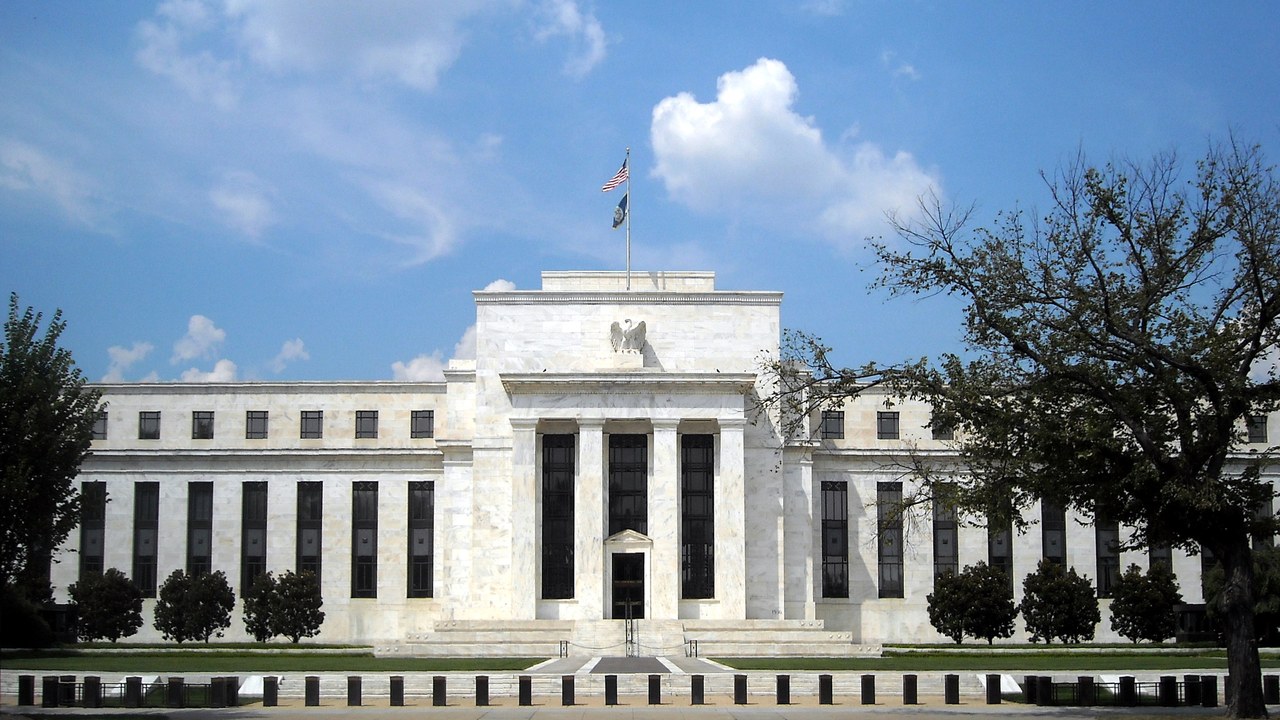
The prime rate that sets credit card and home equity pricing has not moved since July, and the next chance is September 16
The interest rate that sets pricing on many variable-rate credit cards and home equity lines of credit held at 6.75 percent on every business day from August 28 through September 3, according to the Federal Reserve’s own weekly rate survey. That is the same level it has held since late July, when the Fed’s rate-setting…
-

Debt owed to a federal health agency now carries 11.875 percent interest
The Department of Health and Human Services has published a new interest rate for money owed back to it: 11 7/8 percent a year, or 11.875 percent, on overdue debt covered by the agency’s claims-collection regulations. The rate appears in a Federal Register notice HHS filed on August 28, 2026, and it’s tied to the…
-

Auto lenders will start sending borrowers a yearly interest statement once the total passes $600
If you paid $600 or more in interest on a car loan this year, your lender now has to tell you about it in writing — the same way your mortgage company already does every January. The Treasury Department and the IRS finalized the rule on September 4, 2026, closing out months of back-and-forth over…
-
More homeowners are 90 days behind on a mortgage than a year ago, at 1.52 percent against 1.29
Homeowners are falling seriously behind on their mortgages at a higher rate than they were a year ago, even as the country’s total mortgage debt actually shrank over the same three months. New data from the Federal Reserve Bank of New York shows the share of mortgage balances sliding into serious delinquency climbed to 1.52…
-

The average rate on a credit card balance carried month to month is 22.15 percent
Anyone who ends a billing cycle owing money on a credit card is now paying more than one in five dollars of that balance back in interest over a year, according to the Federal Reserve’s latest count of what banks actually charge. The number covers everyone who doesn’t pay their statement in full, not just…
-
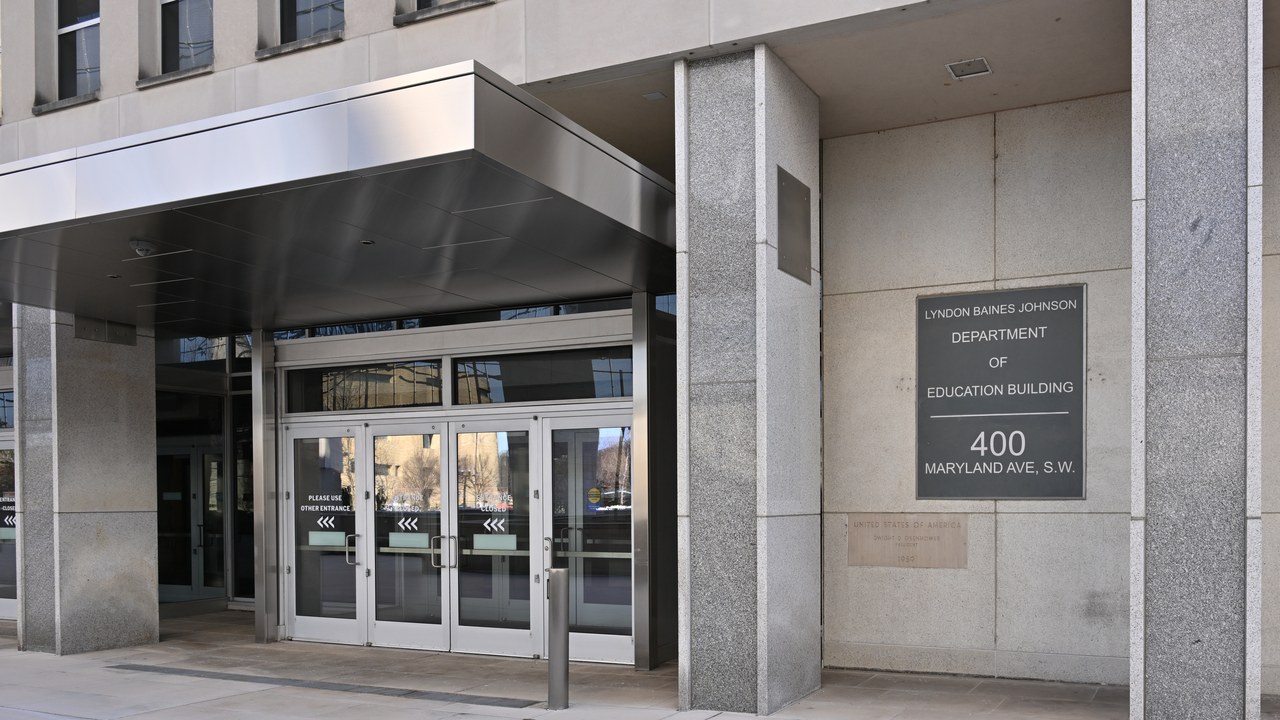
A federal borrower earning $45,000 with $35,000 in loans now pays $150 a month instead of $176
A federal student loan borrower earning $45,000 a year with $35,000 in debt is now paying $150 a month instead of $176, according to the U.S. Department of Education. The lower bill comes from a new income-driven repayment option called the Repayment Assistance Plan, which opened to borrowers on July 1, 2026, and replaces the…
-

Credit card balances rose $21 billion last quarter, and 6.97 percent of that debt is newly 90 days late
Households added $21 billion in credit card debt during the second quarter of 2026, even as total household borrowing edged down for the first time in months. Credit card balances now stand at $1.263 trillion nationwide, and the share of that debt sliding into serious delinquency has ticked higher too. The numbers come from the…