
Category: Credit & Debt
-

Americans carried $1.316 trillion in revolving credit in July after balances rose again
U.S. revolving consumer credit reached $1.3161 trillion in July on the Federal Reserve’s unadjusted measure, rising from $1.3090 trillion in June. Most of that category is credit-card debt, though the total also includes certain overdraft and other revolving plans. The July figure is preliminary and can be revised, but the direction and level were current…
-
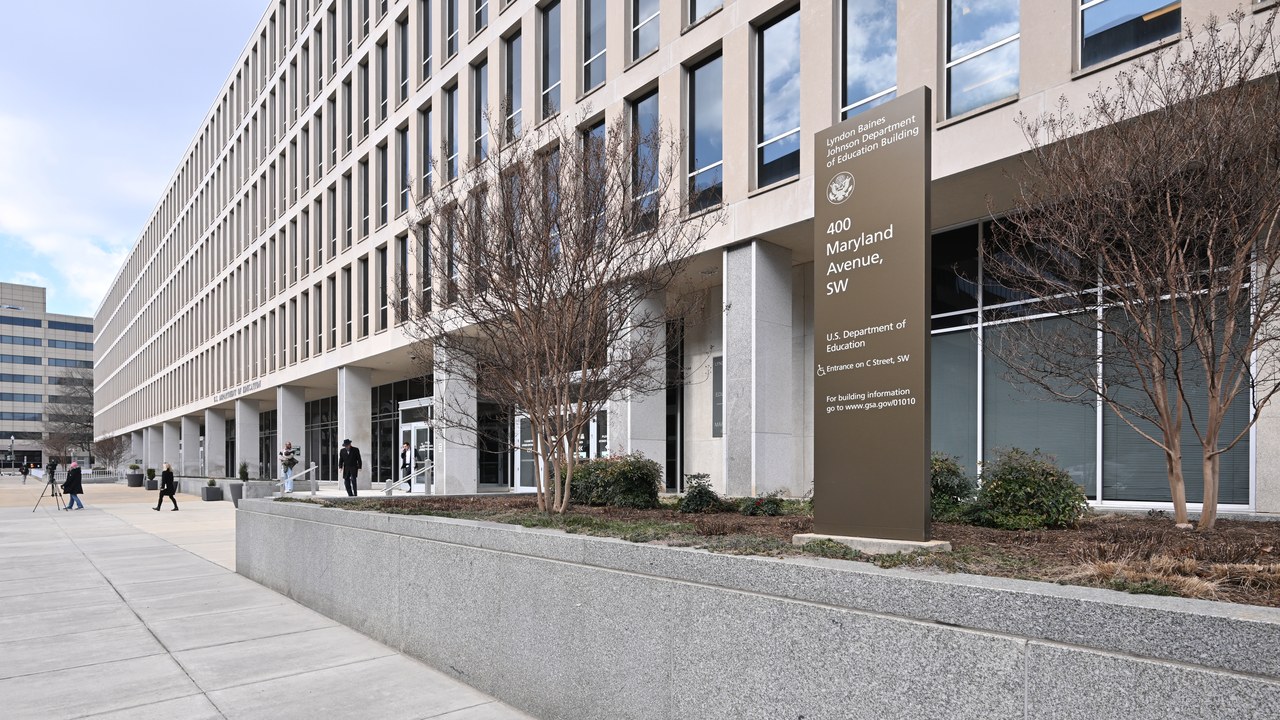
Wage garnishment for defaulted student loans is still on hold, with no restart date announced
Borrowers whose federal student loans are in default are not watching money disappear from a paycheck or a tax refund this month, and the U.S. Department of Education still has not said when that could change. The delay the agency put in place in January on its two main collection tools remains the department’s active…
-

Borrowers with older loans have until July 1, 2028 to pick among three surviving repayment plans.
July 1, 2028 sounds distant, but it is the real deadline the Department of Education has set for a group of federal student loan borrowers who are easy to overlook: people whose loans predate this summer’s repayment overhaul. Borrowers with loans made before July 1, 2026, who are still sitting in one of the phased-out…
-
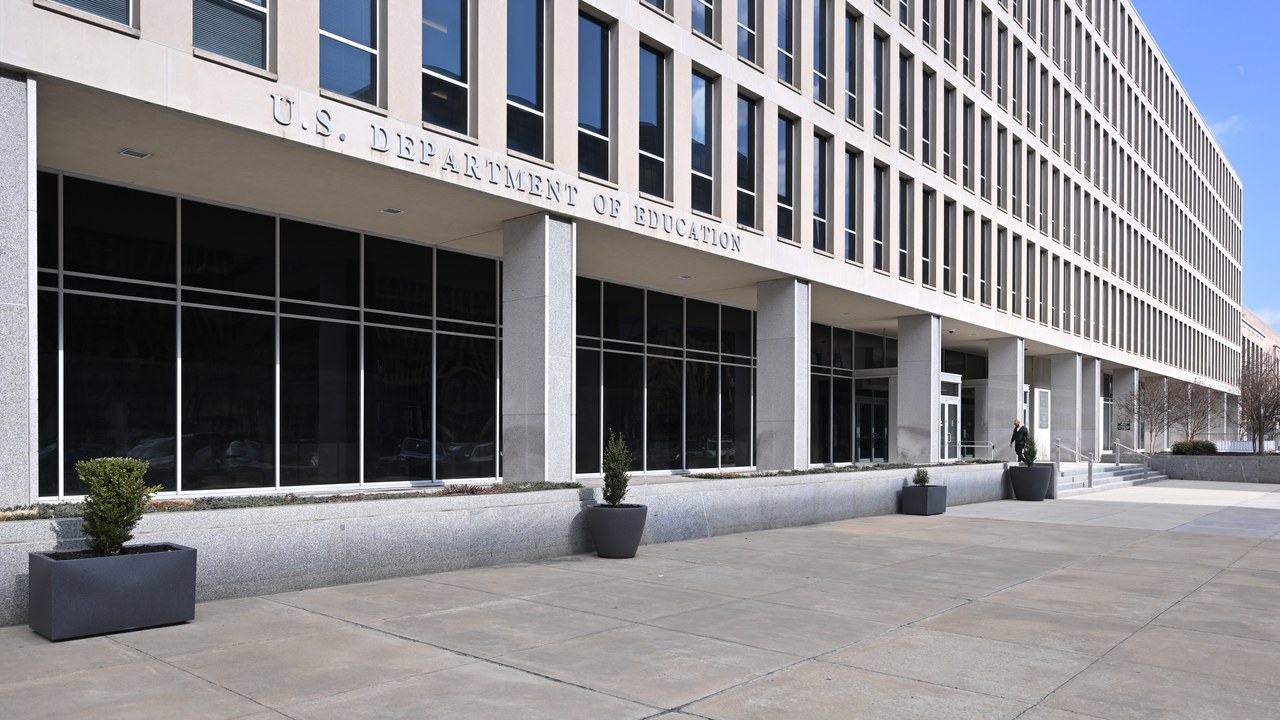
The Education Department has closed loan-forgiveness buyback to anyone entering the two newest repayment plans.
A teacher who spent two years in an ineligible forbearance while the SAVE Plan worked its way through federal court assumed she could eventually buy back that time toward Public Service Loan Forgiveness. New Department of Education guidance says she can no longer count on that if she enrolls in either of the two newest…
-

IRS data consent speeds an income-driven student-loan application.
Applying for an income-driven student loan plan has always meant proving what you earn, and for years that meant digging up pay stubs or a tax transcript and uploading them by hand. The Department of Education says there’s now a faster path built into the same application: give the department permission to pull the number…
-

The Repayment Assistance Plan matches on-time payments so balances fall.
Every income-driven student loan plan before this year had the same quiet flaw: a borrower could make every payment on time and still watch their balance grow, because the payment wasn’t large enough to cover the interest piling up each month. The Department of Education says its new Repayment Assistance Plan is built to close…
-

Auto pay is the department’s answer to missed payments, and 120 of them is what public workers need for forgiveness.
Borrowers working toward Public Service Loan Forgiveness have one job: rack up 120 qualifying, on-time monthly payments while employed full time by a government agency or qualifying nonprofit. The Department of Education says the single easiest way to avoid the missed payment that can slow that count is enrolling in automatic payments, and the agency…
-

Borrowers still parked in the shut-down SAVE plan are being moved onto Standard repayment this month, often at a higher monthly bill.
The SAVE repayment plan hasn’t been a legal option for federal student loan borrowers since a court order ended it in March 2026, but millions of borrowers were still parked inside it while the Department of Education worked out what came next. That transition is happening now. Servicers began notifying the plan’s roughly 7.5 million…
-

The extra point off a student-loan rate runs only through June 30, 2028, and only on Direct Loans made after July 1, 2012.
The federal government’s newest student loan discount comes with a shelf life. Borrowers who keep their payments on auto pay get a full percentage point knocked off their interest rate, but the Department of Education built two hard boundaries into the offer: a calendar cutoff on how long the discount lasts, and a loan-vintage cutoff…
-

The federal Tiered Standard plan now sets a payoff of 10, 15, 20 or 25 years based purely on the size of the balance.
Federal student loan borrowers who pick the new Tiered Standard repayment plan no longer get one fixed payoff timeline. Since July 1, 2026, the plan sorts every borrower into one of four repayment lengths, 10, 15, 20 or 25 years, based entirely on how much they owe, not their income, their job, or how fast…