
Category: Checking & Savings
-
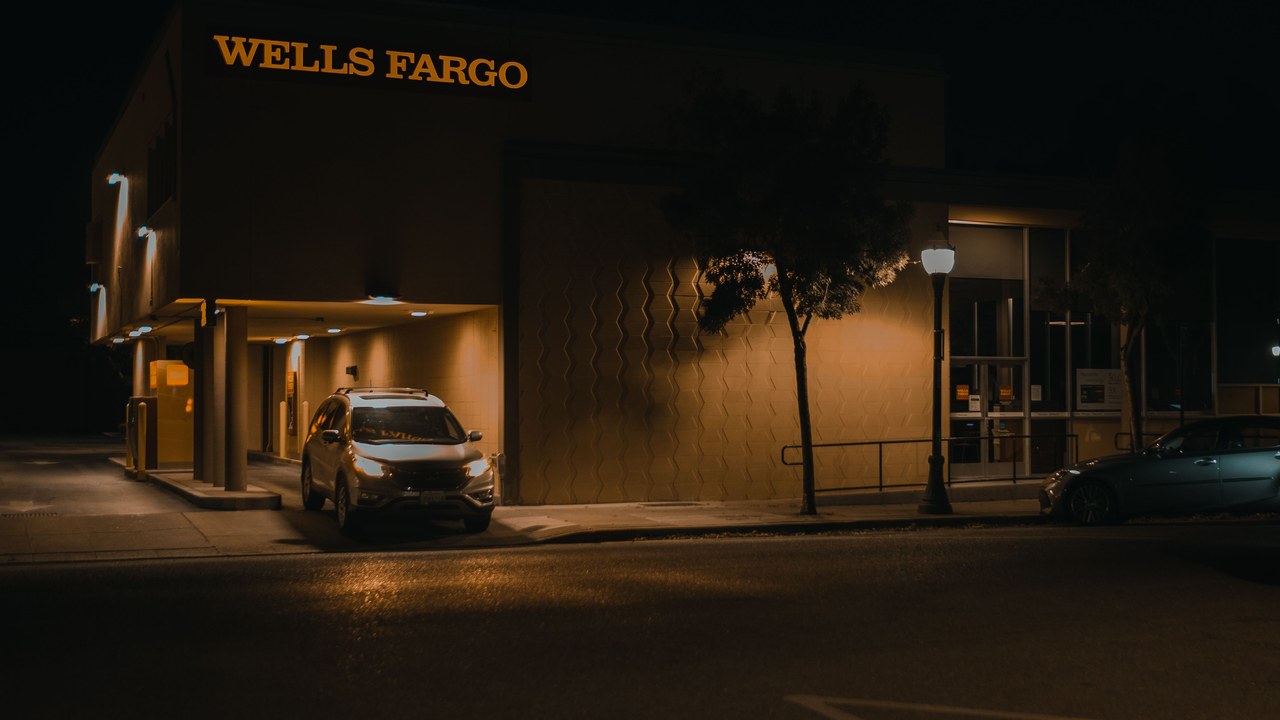
The CFPB says it will investigate whether JPMorgan Chase, Bank of America, Wells Fargo and six other big banks broke consumer laws when debanking customers
On October 14, the Consumer Financial Protection Bureau said it will investigate whether JPMorgan Chase, Bank of America, Wells Fargo and six other big banks broke federal consumer laws when they closed or restricted customer accounts. The announcement follows a report from the Office of the Comptroller of the Currency, the national bank regulator, and…
-

West Virginia still holds more than $529 million in unclaimed property listings
West Virginia’s State Treasurer’s Office says it now has more than $529 million worth of listings in its unclaimed property database. The figure comes from a July 23, 2026 release in which Treasurer Larry Pack also reported $40,168,816.26 returned to owners in the fiscal year that ended June 30, 2026, through 25,407 claims covering 95,760…
-

Treasury’s rule requiring federal benefits to be paid electronically carries eight waiver paragraphs, one of which lets a household ask for a waiver on two hardship grounds
Federal benefit payments are supposed to arrive electronically, and the Treasury Department’s rule leaves only narrow doors for anyone who wants to keep getting paper. Treasury’s Bureau of the Fiscal Service says in plain terms that “all federal benefit payments must now be paid electronically,” either by direct deposit to a bank or credit union…
-

Federal rules give a consumer 60 days from the statement date to report an electronic bank transfer error
A bank customer who spots a charge that does not belong has a fixed window to say so, and the clock starts sooner than many people assume. Under Regulation E, the federal rule on electronic fund transfers, the bank has to receive the notice of an error no later than 60 days after it sends…
-

Regulation CC lets a bank hold a deposited check past the normal schedule under six named exceptions, stretching availability by up to six business days, and longer if the bank can justify the delay
A deposited check does not always clear on the bank’s normal schedule. Under the Federal Reserve’s Regulation CC, a bank can delay funds under six named exceptions, and the rule sets the usual extension at one, five or six business days depending on the type of check, with longer holds allowed when the bank can…
-

The NCUA pays unclaimed credit-union deposits in full only for 18 months
When the National Credit Union Administration liquidates a credit union, it pays claims on unclaimed deposits at their full insured amount only during an 18-month window. The NCUA’s unclaimed deposits page says share accounts claimed within that insurance period are paid in full. After the 18 months, the money is no longer insured. The page…
-

Direct Express cardholders move to Fifth Third and must set a new four-digit PIN
Direct Express cardholders are moving to a new bank. Fifth Third Bank is replacing Comerica Bank as the financial agent for the prepaid card that many people use to receive Social Security and other federal benefits, and each cardholder gets a new Fifth Third card. Direct Express says the new card has to be set…
-

The Great Iowa Treasure Hunt has passed $450 million returned, and a new Money Match program sends some property back without a claim
Iowa’s unclaimed property program has now returned more than $450 million to owners and heirs, State Treasurer Roby Smith announced on Oct. 7. The milestone for the Great Iowa Treasure Hunt came after a record year, and it arrives with a new wrinkle: a program called Money Match that sends some qualifying property back to…
-

West Virginia returned $2,424,832 in unclaimed property in September across 3,793 claims
West Virginia’s treasurer returned $2,424,832 in unclaimed property to owners in September, paid out on 3,793 claims. Treasurer Larry Pack’s office announced the total in an Oct. 8 release. The money is property that banks, businesses and other holders could not hand back to its owners on their own. What the September numbers show The…
-

Discover’s cash-back debit rewards end as checking accounts move to Capital One 360, with a one-time deposit equal to the prior 12 months of rewards
Anyone whose Discover checking account has been paying cash back on debit-card purchases is about to lose that perk. Capital One’s Discover checking page says Discover Cashback Debit accounts become Capital One 360 Checking accounts, and 360 Checking accounts do not offer Cashback Debit rewards. In exchange, Capital One says it will make a one-time…