
Category: Checking & Savings
-

The federal pension insurer searches unclaimed benefits on four SSN digits
The Pension Benefit Guaranty Corporation, the federal agency that insures private pensions, runs an online search for retirement money it is holding for people who were never paid. It asks for just two things, a last name and the last four digits of a Social Security number. The database was last updated on August 5,…
-

The FTC is now paying old refund rounds by Zelle
People who let a Federal Trade Commission refund check sit in a drawer, or never tapped the PayPal payment, are getting a second chance by Zelle. The FTC is now paying some older refund rounds that way, putting the money straight into a bank account. The new method appears on several refund programs, including AT&T…
-

Treasury now requires every federal benefit payment to be electronic unless a waiver applies
The U.S. Treasury Department says all federal benefit payments must now be paid electronically. That covers Social Security, Supplemental Security Income, Veterans’ benefits, civil service retirement, military retirement and railroad retirement, according to the Bureau of the Fiscal Service’s direct deposit FAQ. The rule is firm but not absolute. Treasury’s own site says electronic payment…
-
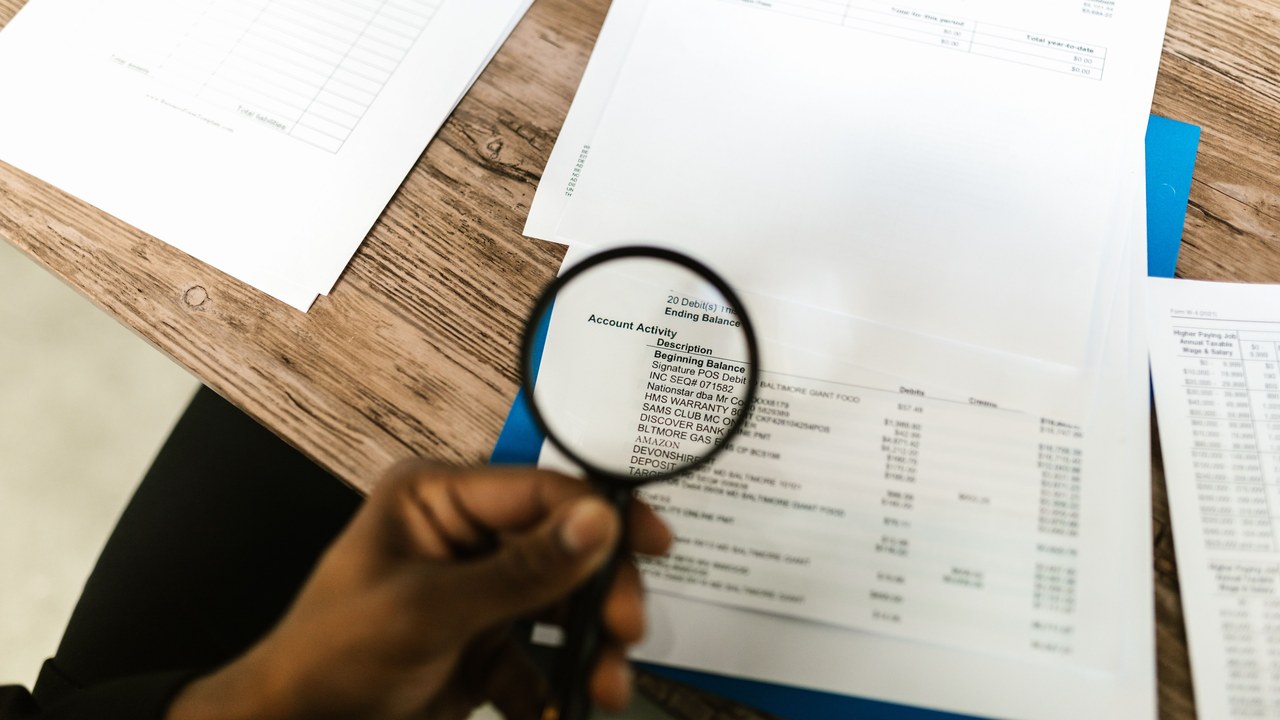
State unclaimed-property offices let owners and heirs search for forgotten accounts for free
Every state runs a program that holds forgotten money for its owners, and searching it costs nothing. The Federal Trade Commission says every state has a process to search for unclaimed funds for free. A site called MissingMoney.com, managed by the National Association of Unclaimed Property Administrators, is free as well and searches many states…
-

Treasury says paper-check waivers for federal benefits stay in effect until further notice
Treasury says the procedures for getting a waiver from the electronic payment rule remain in place for now. The Bureau of the Fiscal Service wrote that existing electronic payment waiver procedures remain in effect until further notice. That matters to anyone who still gets a federal benefit check in the mail. Since Sept. 30, 2025,…
-

Pennsylvania Treasury returned more than $334 million in unclaimed property last year, a record
Pennsylvania Treasury says it returned a record of more than $334 million in unclaimed property last year. State Treasurer Stacy Garrity announced the figure on October 14, in a release about a separate return of $122,127.19 to the Pennsylvania American Legion. Unclaimed property can include dormant bank accounts, uncashed checks and similar holdings that were…
-
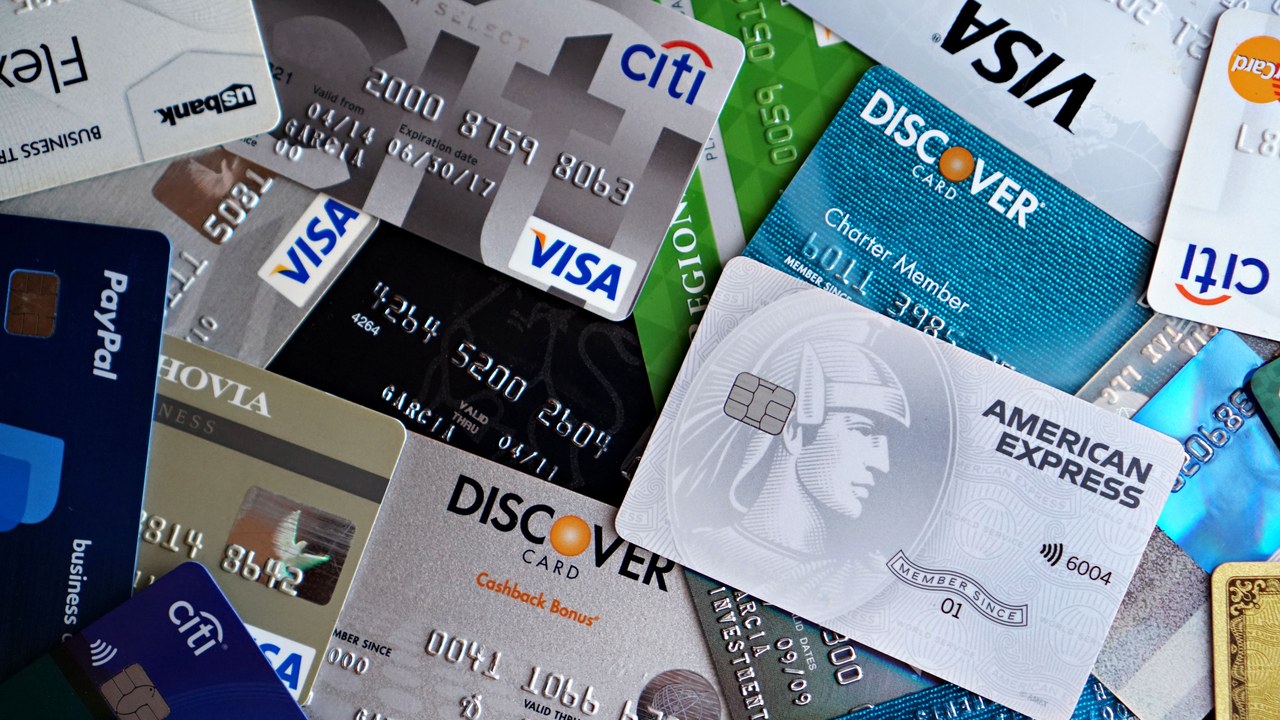
Discover Cashback Debit rewards end as Capital One converts accounts to 360 Checking
Discover bank customers who earn cash back on debit purchases are about to lose it. Capital One says its 360 Checking account does not offer Cashback Debit rewards, and Discover Cashback Debit accounts are being converted to 360 Checking in stages, with advance notice by email or letter. Capital One’s Discover account update page says…
-

Sunwest Bank took substantially all of the $686 million in deposits Nano Banc reported as of June 30 after it failed September 25
When California regulators closed Nano Banc of Irvine on Friday, September 25, Sunwest Bank of Sandy, Utah, agreed to take over substantially all of its deposits, and customers did not have to do anything to keep their money. Nano Banc reported $686 million in deposits as of June 30, 2026, the Federal Deposit Insurance Corporation…
-
Bank of America hit with more than $1.21 billion in Treasury penalties
Treasury announced more than $1.21 billion in penalties against Bank of America on October 13, calling it the third-largest penalty in Treasury history. The bank is the second-largest in the United States, and Treasury Secretary Scott Bessent said in the department’s release that “even the biggest financial institutions are not above the law.” Treasury says…
-

Under Trump’s payment-integrity order, Treasury now checks that federal payment recipients own the bank account on file and returns payments that fail
Treasury now checks whether the person getting a federal payment owns the bank account the money is headed to, and a payment that fails the check is sent back instead of paid out. The Treasury Department said on October 6 that its bank-account ownership and Taxpayer Identification Number (TIN) checks “became fully operational on September…