
Category: Cost of Living
-

Regulators paused enforcement on tobacco surcharges, so employers need not pay the reward retroactively
Millions of workers pay more for health coverage because they smoke, vape, or otherwise fail a tobacco-related wellness standard their employer’s plan sets. Federal regulators just settled a 12-year argument over exactly when those workers get their money back if they quit and complete a cessation program partway through the year — and the answer…
-

Apple raised Apple TV to $14.99 a month and Apple One to $21.95, its second increase in a year
Apple’s streaming and bundle subscribers are paying more starting this week. The company raised the price of a standalone Apple TV subscription and its Apple One bundle for new sign-ups on August 28, with current subscribers due for a billing notice roughly a month before the higher rate reaches their card. For a household already…
-
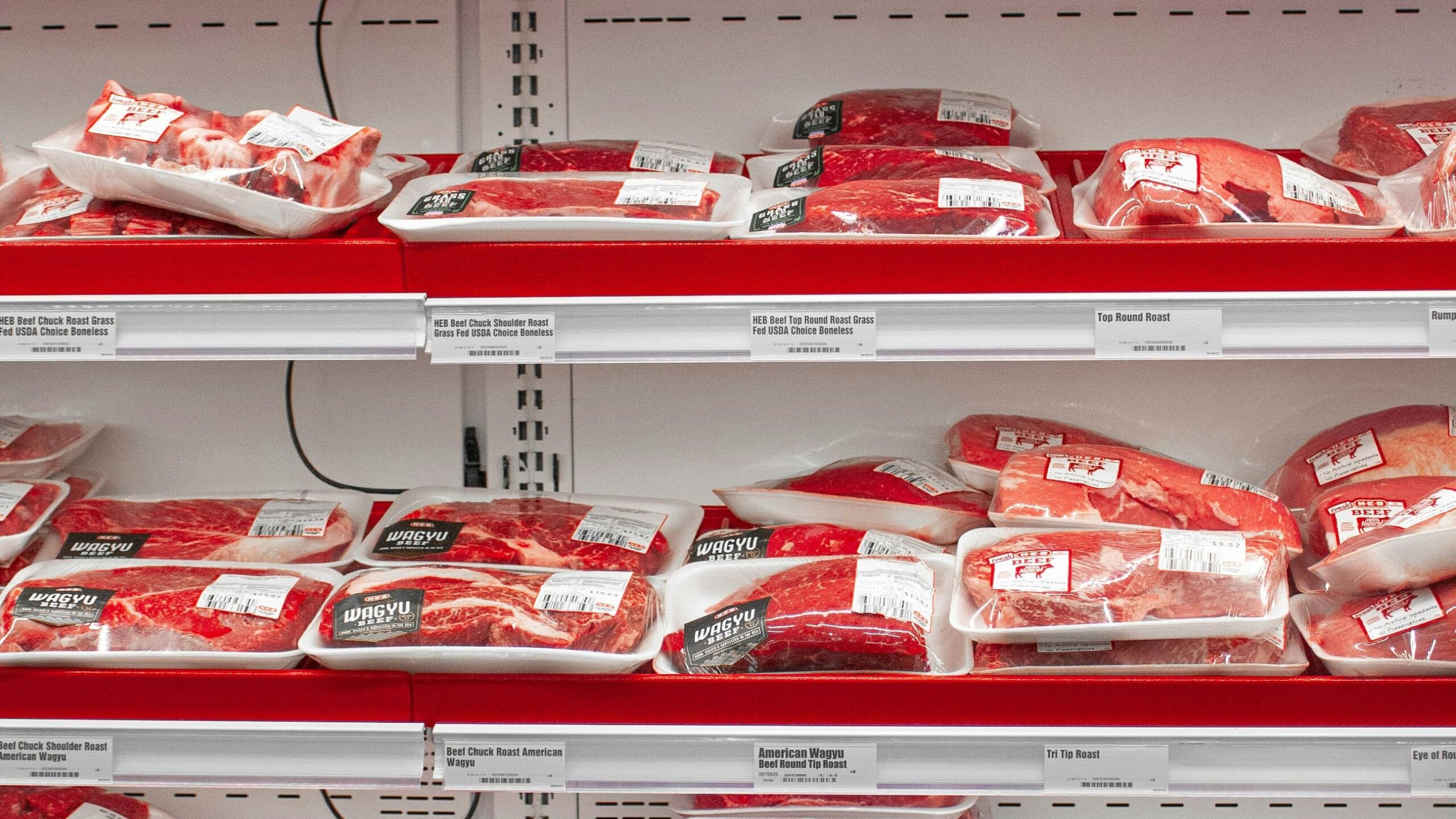
USDA now forecasts beef prices up 9.8 percent this year, the biggest grocery increase of 2026
Grocery shoppers who have noticed the price of ground beef and steak climbing faster than everything else in the cart are not imagining it. The U.S. Department of Agriculture’s Economic Research Service now forecasts beef and veal prices rising 9.8 percent for all of 2026, the steepest projected increase among the 15 major grocery categories…
-

Wheat prices paid to farmers are up 25.5 percent in a year, an early warning for bread and cereal
Long before a loaf of bread or a box of cereal gets a new price tag, the wheat that goes into it gets one first. USDA’s Economic Research Service reported this week that the price farmers are paid for wheat jumped 9.3 percent in a single month, from June to July 2026, and now sits…
-

USDA cut its grocery-price forecast for this year to 2.5 percent
Every month, USDA’s Economic Research Service updates its outlook for how much grocery prices will rise over the full year, based on the newest inflation data available. The August update, posted August 25, lowered that outlook: food-at-home prices, the government’s term for what people spend at grocery stores and supermarkets, are now forecast to rise…
-
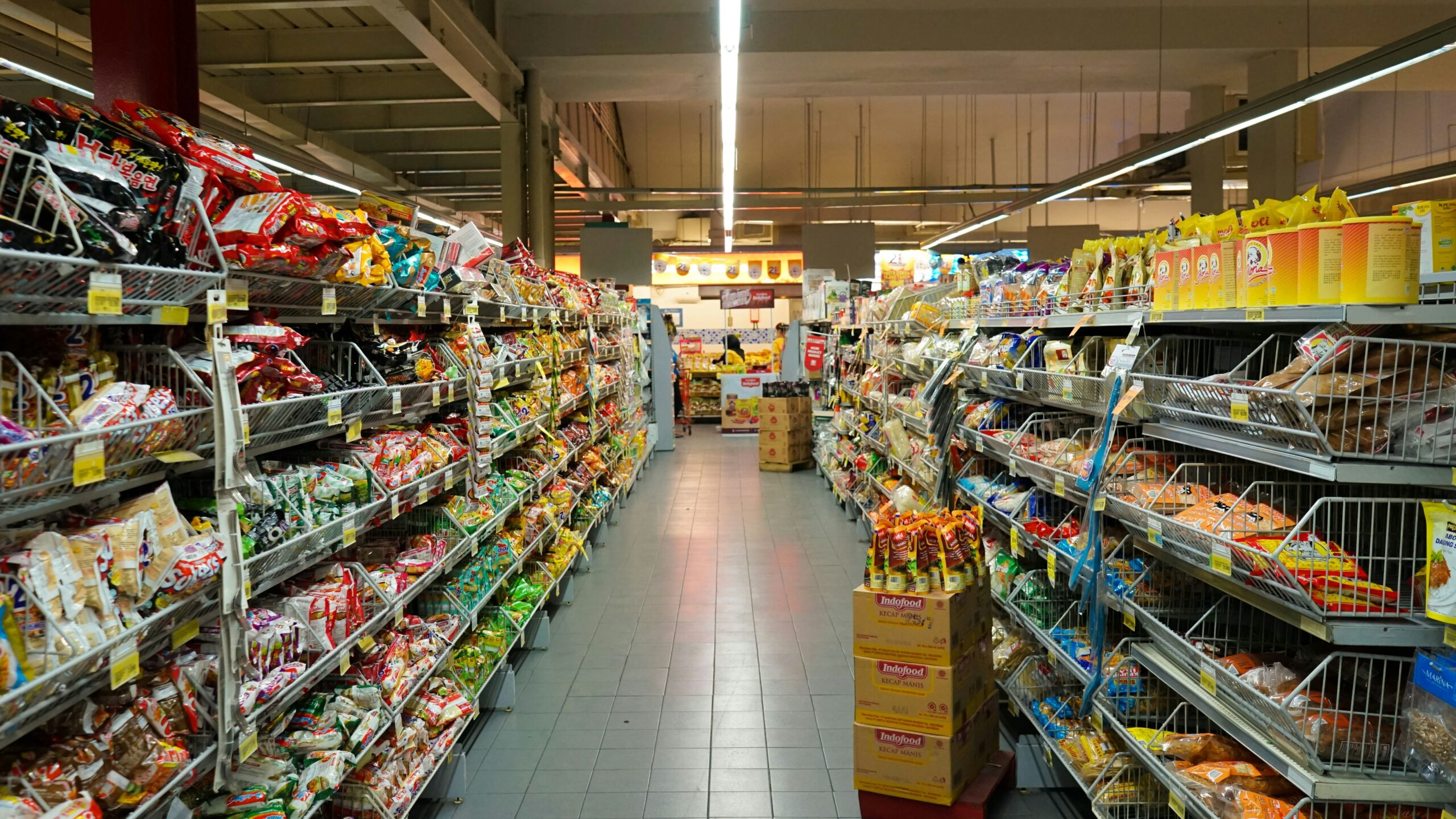
Butter and jerky still ring up on an EBT card, but they no longer count toward a store’s SNAP license
It sounds like a contradiction. A jar of cheese dip, a stick of butter, or a bag of beef jerky can no longer help a grocery store qualify to accept SNAP benefits, yet a SNAP shopper can still walk up to the register and buy any of them with an EBT card. That is not…
-

Stores that miss new stocking rules by November 4 lose the right to take SNAP, and wait six months to reapply
For a small grocery or convenience store that accepts SNAP, missing a paperwork deadline is rarely fatal. A new federal stocking rule set to take full effect this fall changes that calculus for one specific requirement: what a store actually has on its shelves. Retailers that cannot show enough variety in a handful of food…
-

Trump opened a 300,000-ton duty-free quota on imported beef starting September 1 to bring down ground beef prices
Ground beef has been one of the more visible price increases at U.S. grocery stores this year, and the federal government just made a second attempt this year to address it through trade policy rather than direct payments. A presidential proclamation signed August 26 temporarily expands how much beef can enter the country without paying…
-
Walmart says $2.9 billion in tariff refunds funded more than 11,000 price rollbacks
Walmart’s most recent quarterly earnings release places two numbers side by side. The retailer says it received nearly $2.9 billion in tariff refunds during its second fiscal quarter of 2027, the three months ending in early August, and that its U.S. stores delivered more than 11,000 price rollbacks over that same stretch. Walmart presents the…
-

South Carolina blocks soda and candy on SNAP cards August 31, and North Dakota does the same September 1
Grocery shoppers using SNAP benefits in South Carolina and North Dakota are about to see fewer items ring up as eligible purchases. Both states received federal waivers letting them remove certain products from the program’s approved food list, and the clock has nearly run out on the old rules. The changes take effect one day…