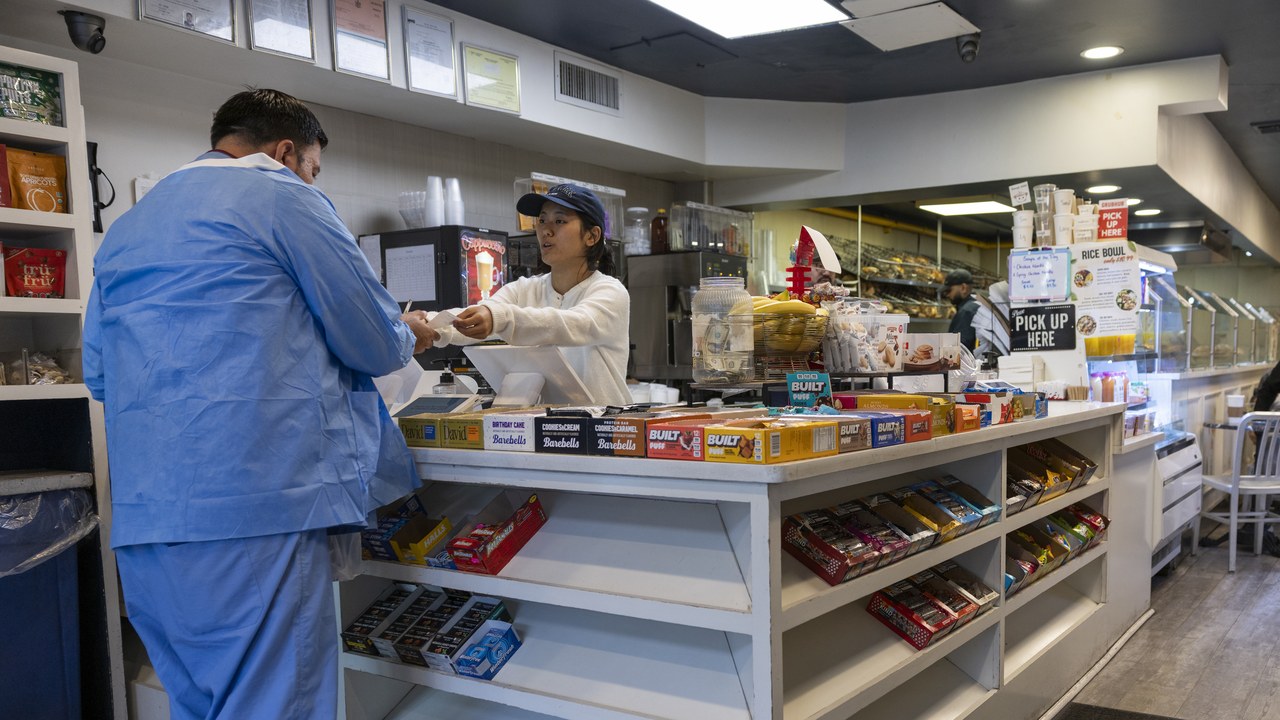
For a small grocery or convenience store that accepts SNAP, missing a paperwork deadline is rarely fatal. A new federal stocking rule set to take full effect this fall changes that calculus for one specific requirement: what a store actually has on its shelves. Retailers that cannot show enough variety in a handful of food categories by November 4, 2026 do not get a warning letter and a grace period. They lose their ability to accept SNAP benefits altogether.
The November 4 Compliance Deadline
The U.S. Department of Agriculture’s Food and Nutrition Administration published the final rule updating SNAP retailer stocking standards on May 8, 2026. The rule gives retailers a runway rather than an immediate switch: as of November 4, 2026, every SNAP-authorized retailer must comply with the updated standards, and the agency has said it will send notice directly to retailers likely to be affected as more implementation guidance becomes available. For a store owner, that date is the real deadline that matters, not the May publication date most will never see referenced again. FNA built in nearly six months between publication and enforcement, giving retailers time to reorder inventory, rework shelf space or, in some cases, decide the requirement is not worth meeting at all.
Free retirement updates: Enrollment and claim windows come and go, and missing one can cost you real money. The free Retirement Shield newsletter keeps you ahead of the deadlines that matter. Sign up free.
What Counts as a Variety
The rule requires all retailers other than specialty stores, such as butchers or farm stands, to stock at least seven distinct varieties in each of four staple food categories: dairy, vegetables or fruits, grains, and protein. A variety has to be genuinely different from another item in the same category — the agency’s own examples describe whole milk, buttermilk, yogurt, sour cream, cottage cheese, shredded cheddar cheese and soy milk as seven separate dairy varieties, and chicken breast, ground beef, frozen salmon fillets, canned tuna, eggs, peanut butter and lentils as seven protein varieties. Retailers also have to carry a perishable item in at least three of the four categories, which rules out stocking seven shelf-stable products and calling it compliant.
The rule simplifies some of the old category logic in the process. Shelf-stable and refrigerated milk now count as separate varieties, as do flavored and plain milk; meat from different animals counts separately, and plant-based proteins like nuts and beans now count toward the protein category for the first time. A small store that previously leaned on a narrow set of packaged goods has more paths to compliance than it did under the old rule, but it still has to actively stock the items, not just qualify for them on paper.
The Penalty: Losing SNAP Authorization
The consequence for falling short is spelled out plainly in the agency’s own guidance: a store that does not meet the new requirements “will be withdrawn from participating in SNAP.” That is not a fine or a warning — it is the loss of the ability to accept SNAP benefits at all, cutting off a revenue stream that, for many small grocers in lower-income neighborhoods, represents a meaningful share of total sales. The same standard applies to a store applying for SNAP authorization for the first time; an application that does not meet the stocking requirements can simply be denied.
Six Months Is the Reapplication Floor, Not a Guarantee
A withdrawn or denied retailer is not permanently barred. The FNA’s guidance sets six months from the date of withdrawal, or six months from the date of denial, as the earliest a store can reapply. That window is a floor, not an automatic reinstatement: a store still has to demonstrate it now meets the seven-variety, perishable-category standard when it reapplies, which for a struggling small grocer can mean sourcing new suppliers or rearranging limited shelf space before the six months are up. A store that treats the deadline as a formality and does nothing differently in the meantime risks a second denial on top of the first. For a small operator, that second denial can matter more than the first: six more months without SNAP sales, on top of the first six, is enough to push a marginal store’s finances past the point of recovery.
Why USDA Rewrote the Stocking Standards
The agency frames the update as a health and program-integrity measure, intended to ensure SNAP-authorized stores actually carry the range of foods the benefit is meant to support rather than the bare minimum needed to keep a license. It also simplifies enforcement: clearer variety definitions make it easier for FNA field staff to check compliance during a store visit instead of interpreting ambiguous category rules case by case. Some previously staple-classified items — butter, jerky, cheese dip, snack bars and fruit spreads — no longer count toward a store’s seven-variety requirement under the same rule, which changes what retailers can lean on to hit their category counts without changing what a SNAP customer can put on the counter.
For a retailer weighing whether to treat November 4 as a real deadline, the agency’s own guidance page leaves little ambiguity: compliance is required as of that date, not encouraged, and the penalty for missing it is measured in months of lost SNAP revenue rather than a fee.
This article was produced with AI assistance and reviewed by a human editor. Figures are linked to their primary sources; where a claim could not be verified from the public record, we say so.
More Financial Reading