
Category: Cost of Living
-

Target will sell a $30 Thanksgiving meal for six from November 8 through 29
Target is bringing back a Thanksgiving bundle that feeds six people for $30, and the price is good from November 8 through November 29, 2026. That window runs through Thanksgiving on November 26 and three days past it. The retailer announced the deal in an October 22 press release, which also promised a frozen turkey…
-
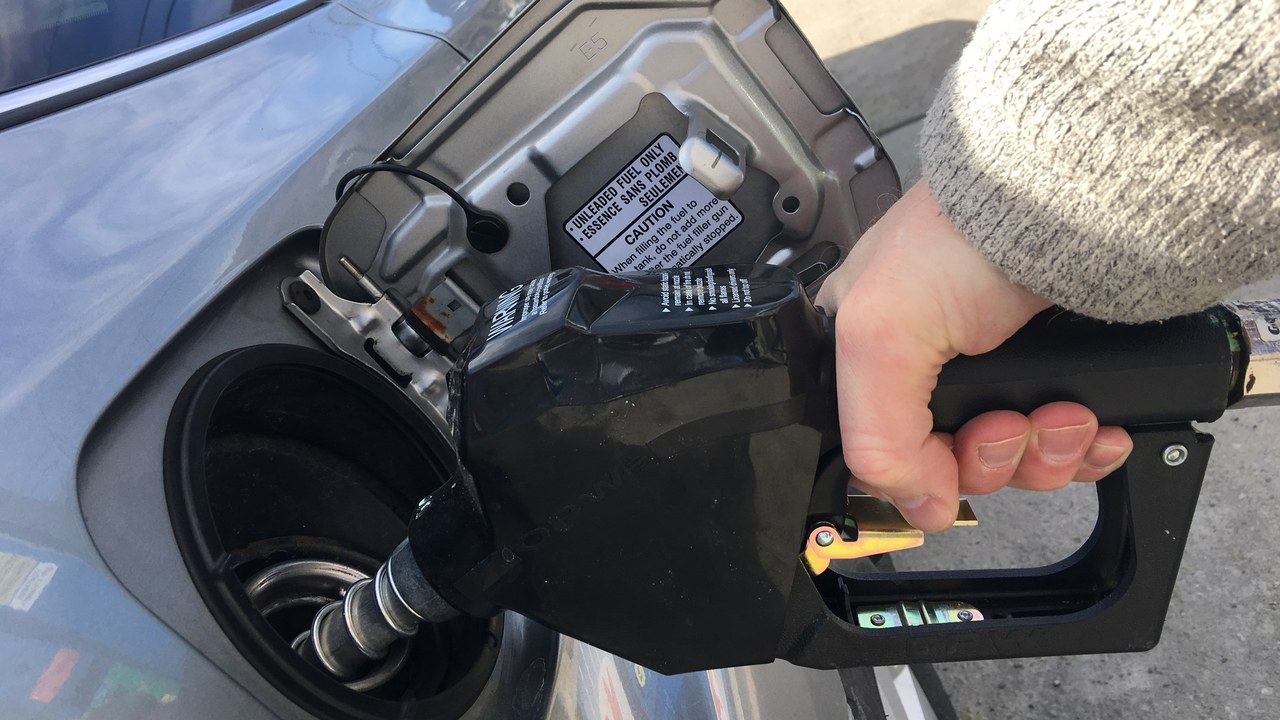
Regular gas averages $4.29 a gallon, down from $4.49 a month ago, AAA says
Regular gas averages $4.29 a gallon nationwide, down from $4.49 a month ago, AAA says. The motor club’s national average for regular unleaded was $4.2892 on October 25, 2026, against $4.4918 a month earlier. That is a drop of about 20 cents over the month, and most of it happened before the last week. For…
-
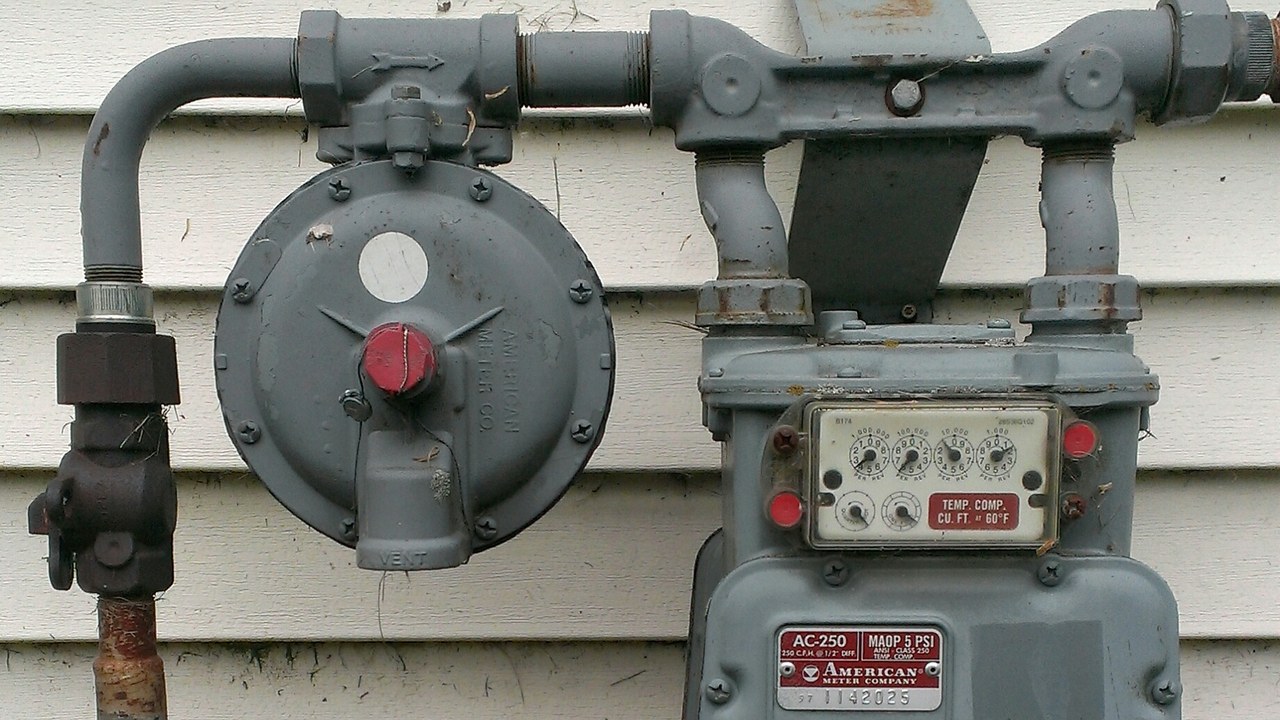
Missouri gas customers who broke a winter payment plan can get service restored by paying half the balance or $500, whichever is less, under the Cold Weather Rule
Missouri gas customers who broke a winter payment plan can get service restored by paying half the balance or $500, whichever is less, under the Cold Weather Rule. The Missouri Public Service Commission says the rule runs November 1 through March 31, and that a gas customer who breaks a payment agreement pays an initial…
-
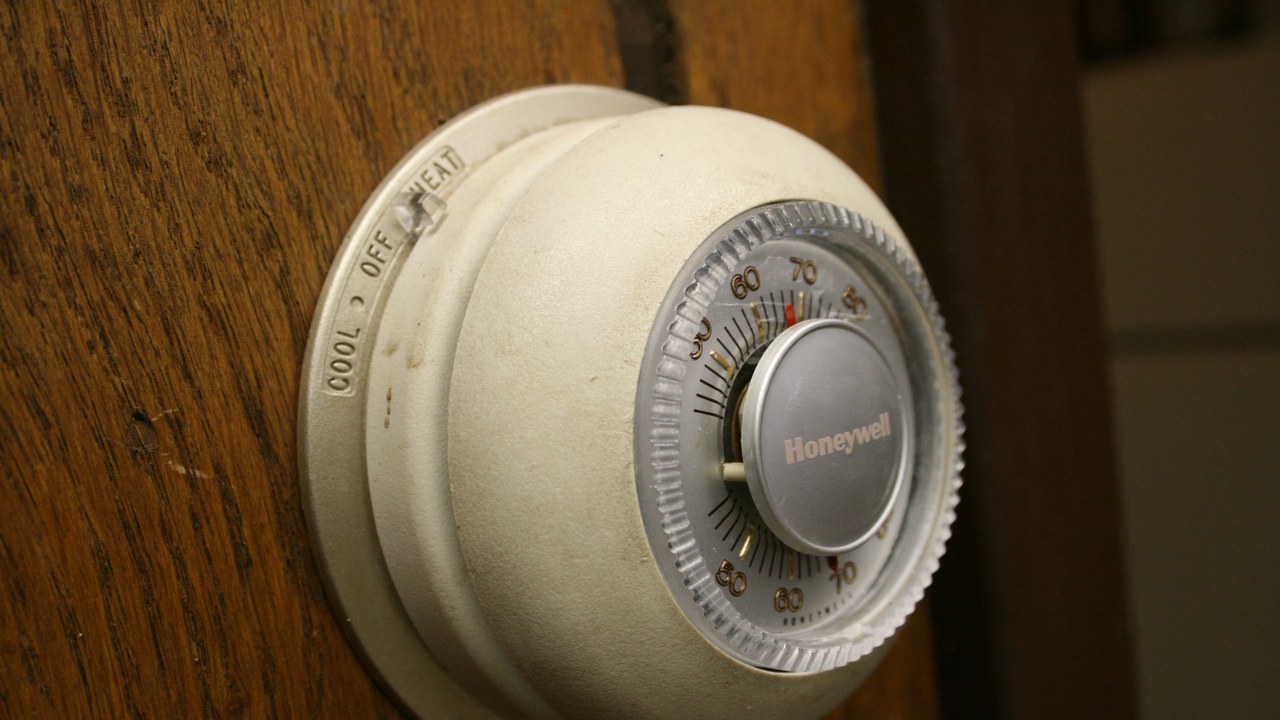
Virginia households have until November 13 to apply for state fuel assistance this winter, and crisis help for broken heating equipment opens November 1
Virginia households have until Friday, November 13 to apply for the state’s fuel assistance this winter, and crisis help for broken heating equipment opens November 1. The Virginia Department of Social Services sets the fuel assistance window from the second Tuesday in October through the second Friday in November, which in 2026 runs October 13…
-
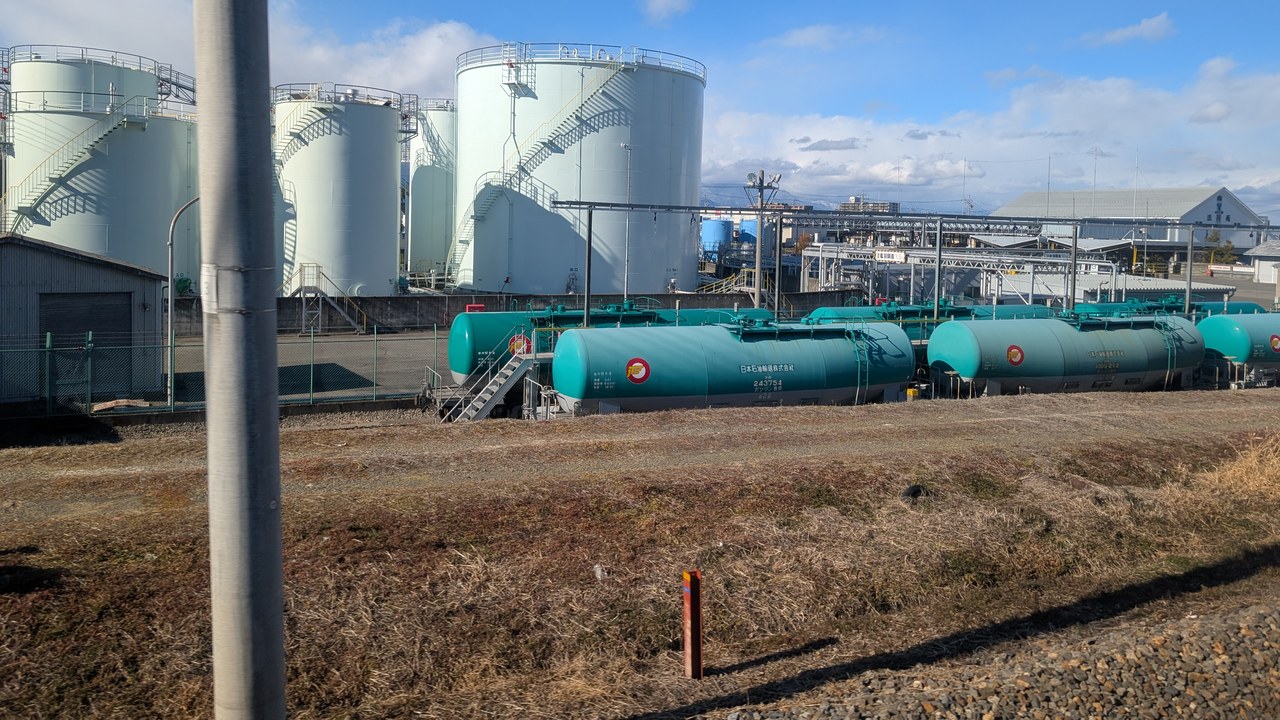
The White House says gas and diesel prices will soon drop after deals with other countries to release more than 130 million barrels of diesel from their stockpiles
The White House says gas and diesel prices will soon drop after deals with other countries to release more than 130 million barrels of diesel from their stockpiles. The administration’s release, dated October 25, 2026, says prices “will soon drop rapidly.” It gives no price target and no date for when the drop should show…
-
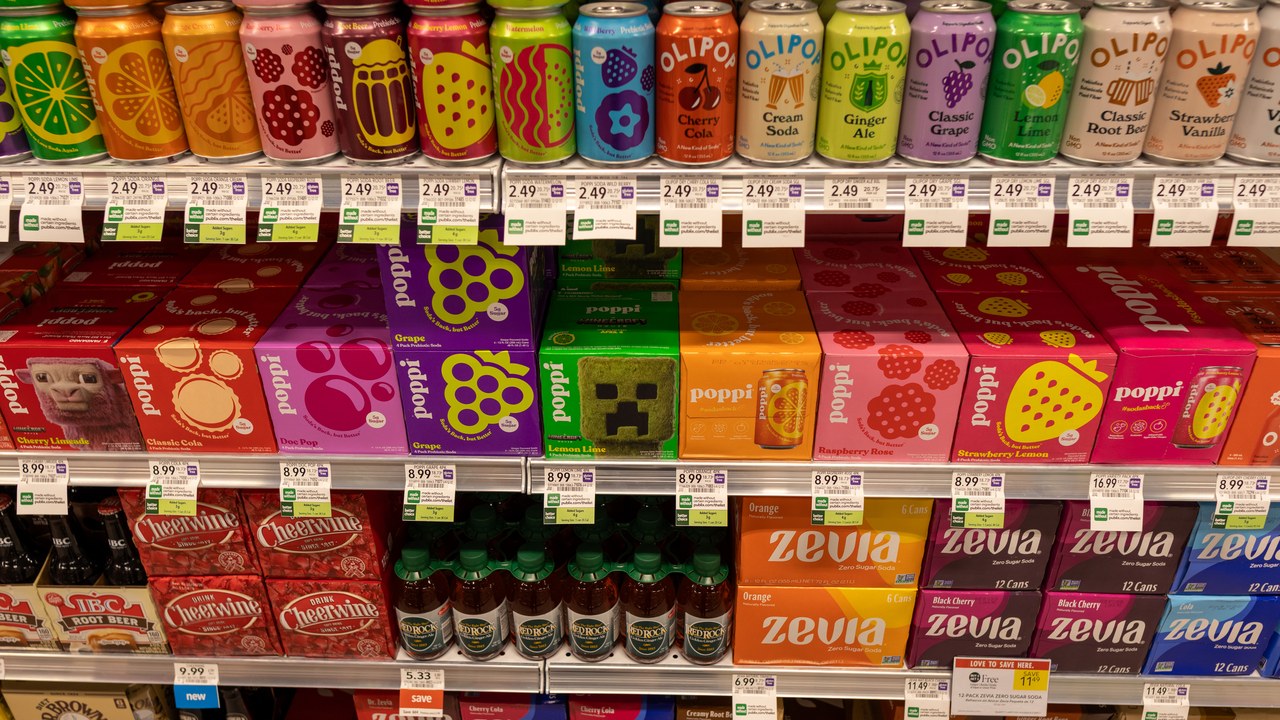
SNAP shoppers in 12 states will be blocked from buying soda or candy by November 1, as Montana, North Dakota, South Carolina and Virginia add their bans, USDA’s list shows
Montana, North Dakota, South Carolina and Virginia are set to begin blocking soda, candy or both from SNAP purchases on Nov. 1, 2026. The four states join eight others whose start dates have already passed, which puts 12 states on the list at that point, according to the U.S. Department of Agriculture’s food-restriction waiver table.…
-
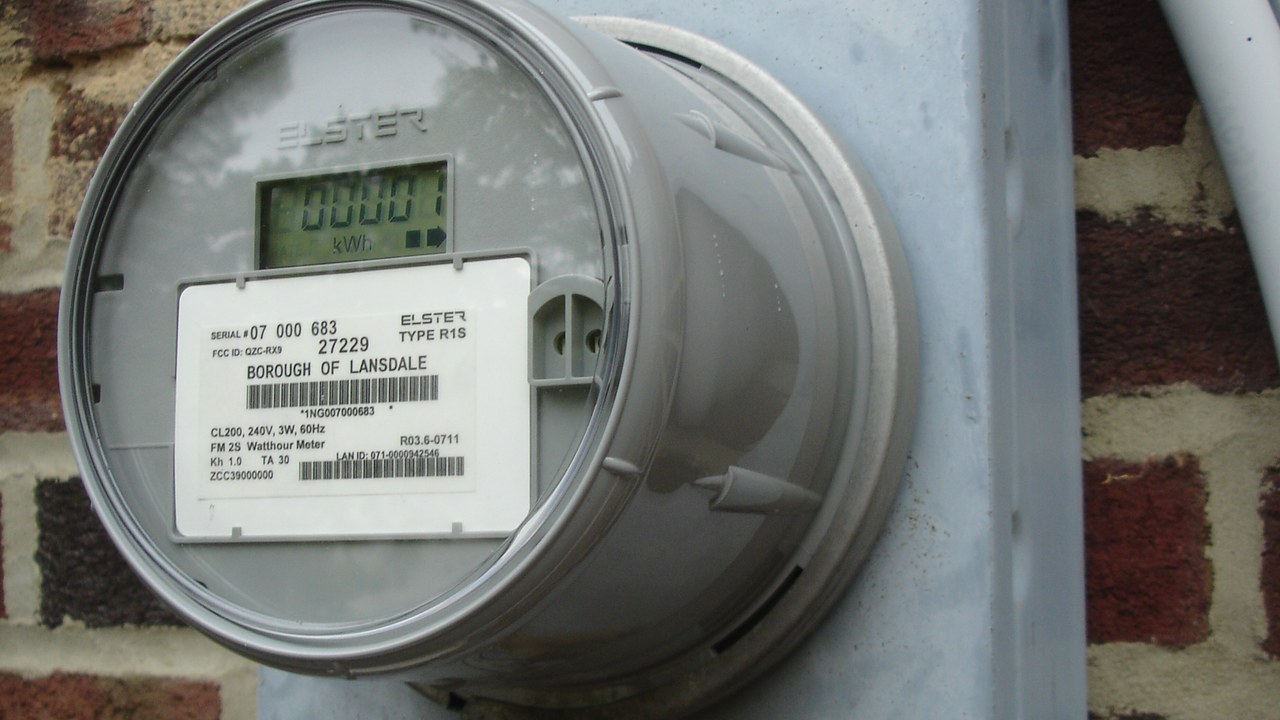
Madison Gas and Electric customers are due about $7.4 million in credits on October bills after Wisconsin regulators ordered a fuel-cost refund
Madison Gas and Electric customers are due about $7.4 million in credits on their October 2026 bills. The Public Service Commission of Wisconsin directed the refund on July 9, 2026, after accepting the utility’s 2025 fuel reconciliation, a yearly accounting of what fuel and power really cost against what customers were charged. The exact figure…
-
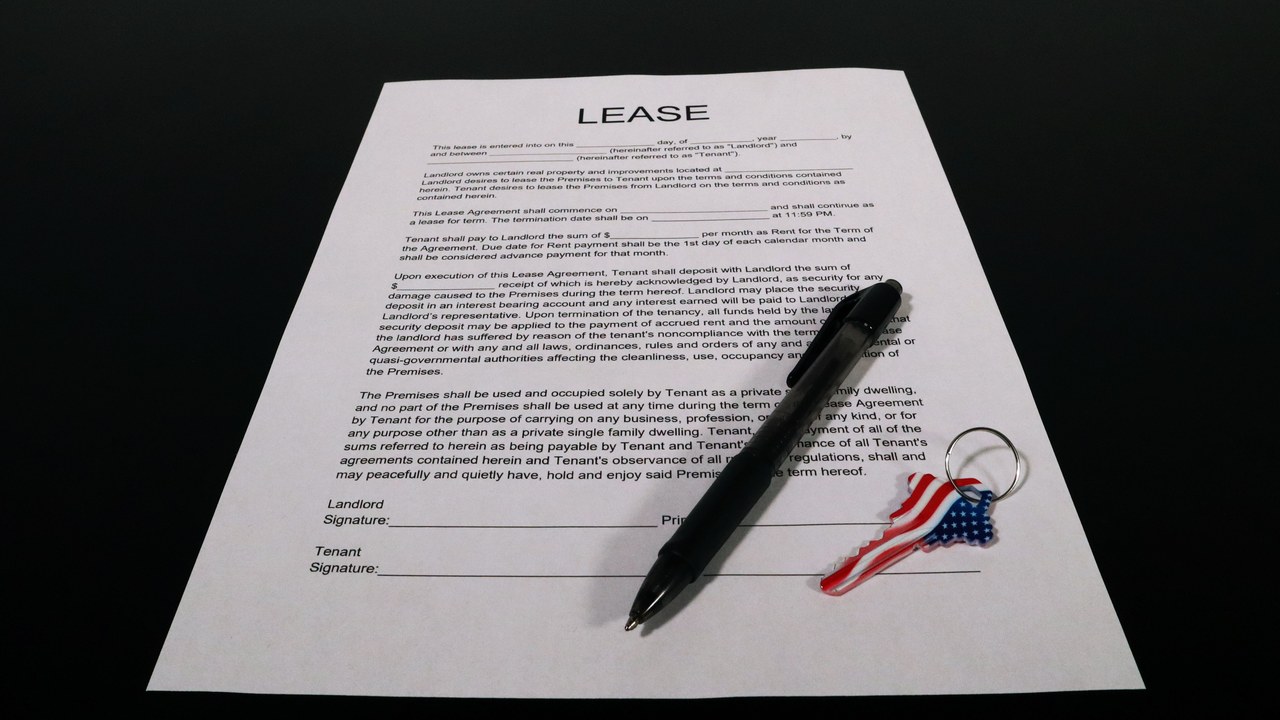
Renters on emergency housing vouchers who were under lease September 30 can switch to tenant protection vouchers before year-end
Households holding Emergency Housing Vouchers who were under lease on September 30, 2026 are now eligible for tenant protection vouchers, which are to be provided before the end of 2026. The provision sits in the short-term spending law Congress passed in September. The Congressional Research Service, which writes nonpartisan summaries for lawmakers, laid out the…
-
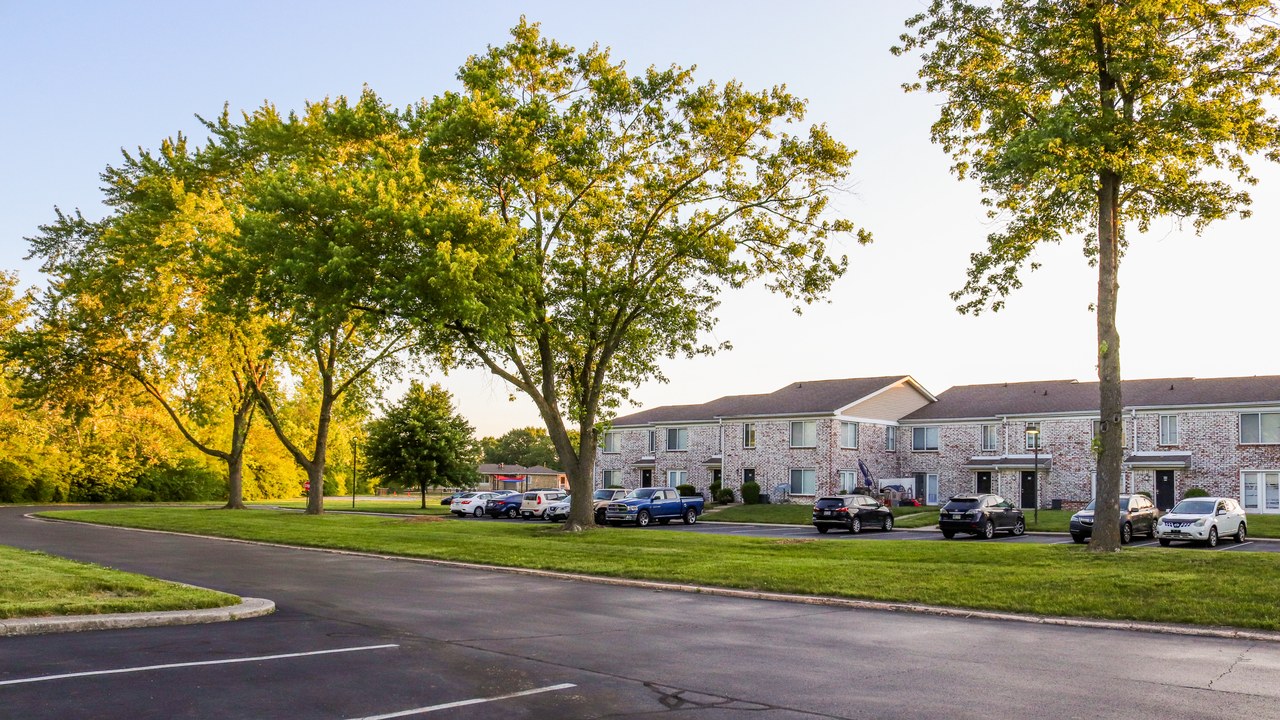
Oregon landlords can raise rent up to 10% in 2027, up from 9.5%
Oregon’s maximum allowable rent increase for 2027 is 10 percent, up from 9.5 percent in 2026. The state Department of Administrative Services, which calculates the figure each year, published the new number on September 28, 2026. It is a ceiling, not an automatic raise. A landlord may increase rent by up to 10 percent in…
-
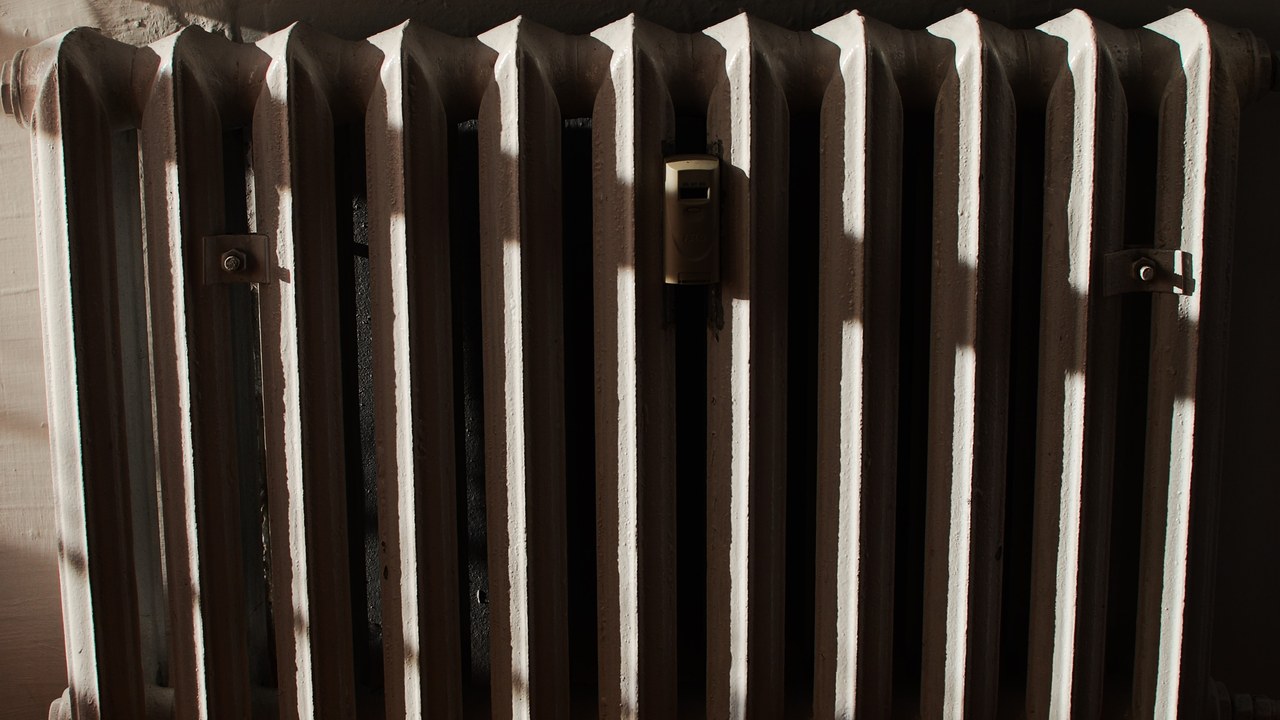
Pennsylvania utilities cannot shut off service December 1 to March 31 for households at or below 250% of the poverty level
Pennsylvania’s winter shutoff ban starts December 1 and runs through March 31, and it reaches households with income well above the usual poverty line. The state’s Public Utility Commission says its Winter Moratorium protects consumers from utility termination between those two dates, with income guidelines that go up to 250 percent of the federal poverty…