
Author: Elizabeth Blessing
-

A married couple would claim the proposed scholarship credit’s $3,400 maximum only if each spouse contributed
The largest scholarship credit a married couple could take on one joint return is $3,400, and the proposed rules attach a condition to it: each spouse has to have made qualified contributions of up to $1,700. The figure is double the $1,700 ceiling for an individual, but the proposal does not treat a joint return…
-

Treasury set a December 15 hearing on the proposed rules for the new scholarship tax credit
The IRS has scheduled a public hearing for Tuesday, December 15, 2026, at 10 a.m. Eastern Time, to take testimony on proposed regulations for the new federal tax credit for contributions to scholarship granting organizations. The hearing is attached to a notice of proposed rulemaking with a longer comment calendar behind it, and one condition…
-

California’s new law will let the insurance commissioner order an insurer to pay restitution straight to a policyholder for unfair claims handling from January 1, 2028, and report an adjuster change within 15 days
California’s insurance commissioner already had the power to make an unlicensed operator pay back the people its conduct harmed. Under Senate Bill 876, signed September 27, 2026, the same power reaches licensed insurers: the commissioner may order a company found to have engaged in an unfair claims settlement practice to pay restitution to the policyholder…
-

California’s disaster-insurance law takes effect January 1, 2028 with a mandatory offer of extended replacement cost coverage
California insurers that write residential property policies will have to put an extended replacement cost option, set at no less than 50 percent above the dwelling limit, in front of every applicant and every renewing customer, under Senate Bill 876, the Disaster Recovery Reform Act. The bill was signed September 27, 2026 and filed as…
-

Minnesota bars a utility from cutting off a home’s main heat through April 30
Minnesota’s Cold Weather Rule runs from October 1, 2026 through April 30, 2027, and for those seven months a utility may not disconnect a residential customer when the shutoff would cut the home’s primary heating source. Xcel Energy announced the rule’s start on September 29, and the protection comes with conditions: a customer who receives…
-

Iowa utilities stop disconnecting qualifying customers November 1, and telling the utility about a heating-aid application brings 30 days of protection
Iowa’s winter ban on utility disconnections runs from November 1 to April 1, and it protects qualifying customers rather than every account. A household that tells its electric or natural gas provider it is applying for federal heating aid receives a separate 30-day stay of disconnection while the application is processed, according to the Iowa…
-

Iowa opens heating aid first to households with a resident 60 or older, a disabled resident or a housing crisis, and everyone else on November 1
Iowa began taking heating-aid applications on October 1 from households with a resident age 60 or older, a disabled resident or a housing crisis, and every other eligible household has to wait until November 1. The split puts a month between two groups of applicants for the same federal program, which runs through April 30,…
-
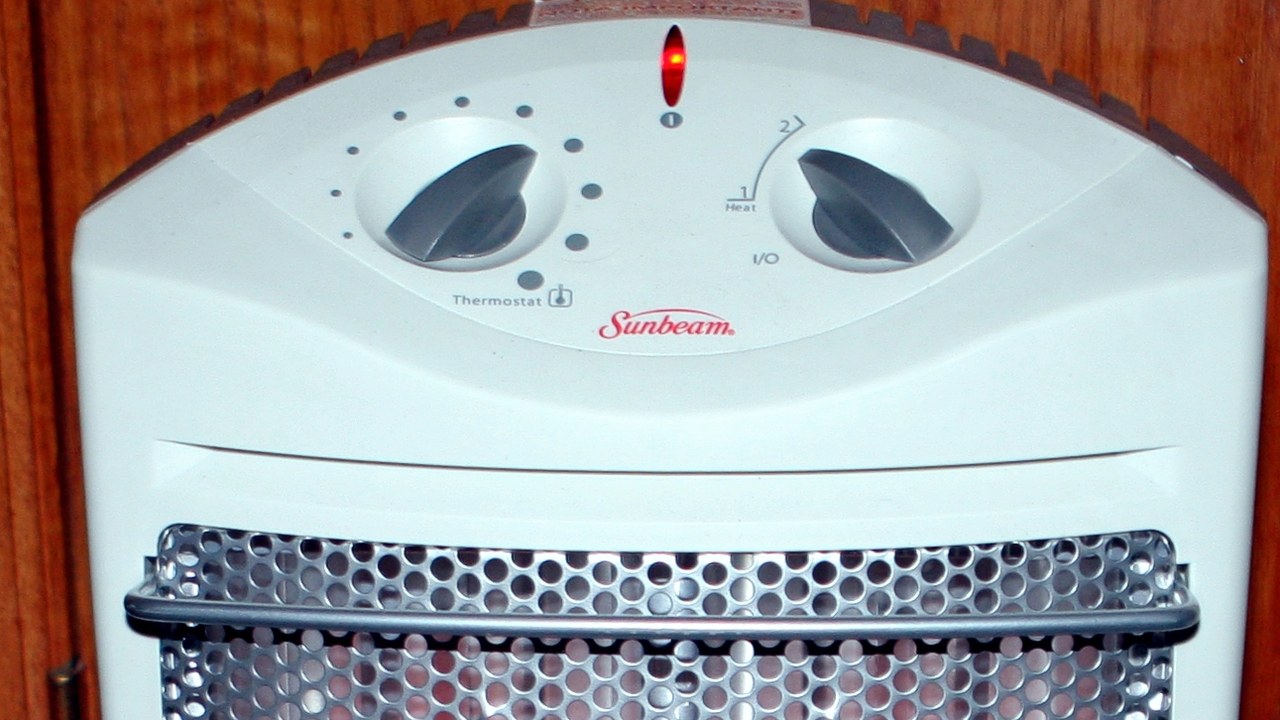
Heating-aid applications opened October 1 in Iowa for older, disabled and housing-crisis households and in New Jersey and Rhode Island, and New Jersey takes them until June 30
New Jersey will take federal heating-aid applications through June 30, 2027, two months past Iowa’s April 30 cutoff, and the fiscal 2027 windows in both states opened October 1, along with Rhode Island’s. Iowa’s October opening covers only households with a resident age 60 or older, a disabled resident or a housing crisis, while every…
-

HUD reset the Fair Market Rents that form the basis for housing-voucher payment standards on October 1 using census rent data collected from 2020 through 2024
The Department of Housing and Urban Development’s FY 2027 Fair Market Rents took effect October 1, 2026, replacing the schedule that local housing agencies had been using to set voucher rent limits. The new figures rest on Census Bureau rent data collected between 2020 and 2024, which HUD then moved forward to account for the…
-

SSI sets $498 a month for an essential person, but only someone who has lived with the recipient since December 1973
Social Security’s 2026 SSI payment table lists a separate row for an “essential person,” set at $498 a month, next to the $994 for an eligible individual and the $1,491 for an eligible individual with an eligible spouse. The row invites a quick reading that any relative or friend who lives with an SSI recipient…