
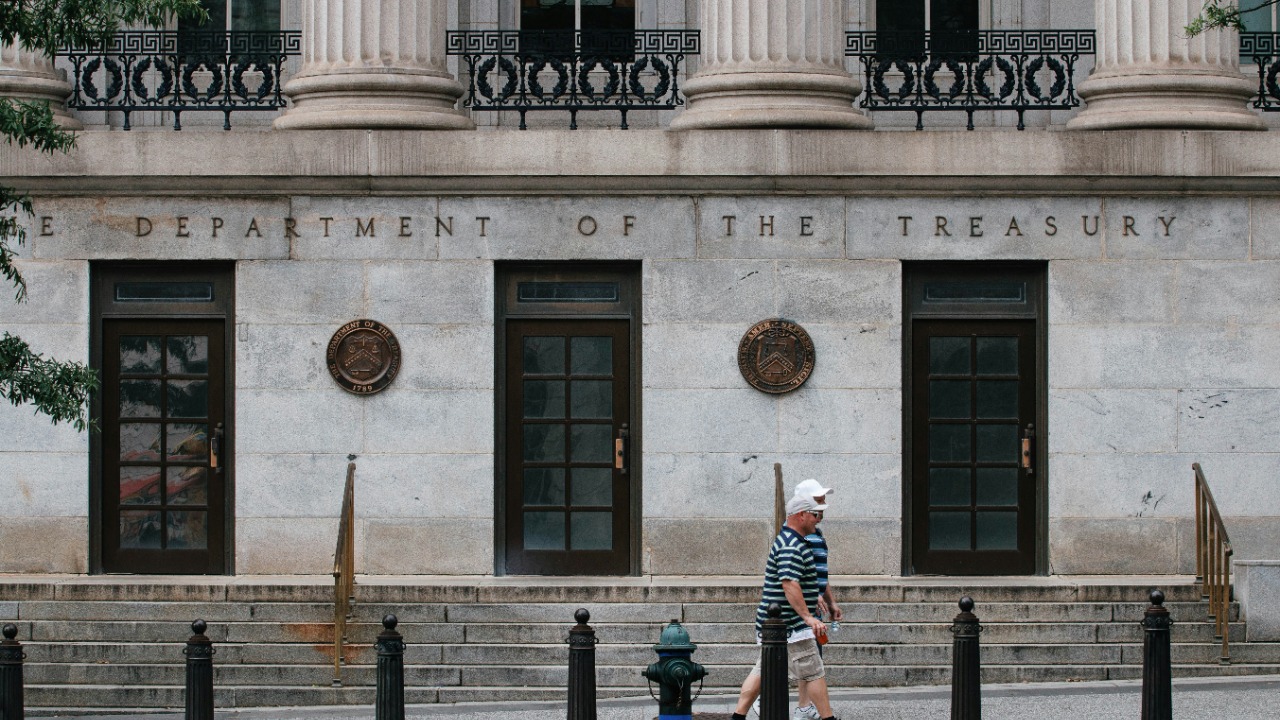
The IRS has scheduled a public hearing for Tuesday, December 15, 2026, at 10 a.m. Eastern Time, to take testimony on proposed regulations for the new federal tax credit for contributions to scholarship granting organizations. The hearing is attached to a notice of proposed rulemaking with a longer comment calendar behind it, and one condition in the notice decides whether the hearing is held at all.
The notice carries docket number REG-117199-25. It appeared in the Federal Register on October 2, and Treasury and the IRS had announced the package a day earlier.
Four dates, in the order the notice sets them
The Federal Register notice sets out a short run of deadlines, and two of them land on the same day:
- December 1, 2026: written or electronic comments must be received.
- December 1, 2026: requests to speak at the hearing, with outlines of the topics to be discussed, must be received.
- Thursday, December 10, 2026, 5 p.m. ET: requests to attend the hearing must be received.
- Tuesday, December 15, 2026, 10 a.m. ET: the public hearing.
Nine days separate the attendance request from the comment deadline, and anyone who plans only to watch has a later cutoff than anyone who plans to speak. Speakers need their request and outline in by December 1; attendees have until December 10.
The sentence that can cancel the hearing
The notice states the hearing’s own off switch in plain terms: “If no outlines are received by December 1, 2026, the public hearing will be cancelled.” A hearing date in this notice is therefore a scheduled date, not a guaranteed event. It happens only if at least one person or organization files an outline of what it intends to say. A Federal Register search run on October 5 found only the two October 2 documents on this rulemaking, with no notice moving or cancelling the hearing.
The same notice says where comments go. They can be submitted through regulations.gov, or mailed to CC:PA:01:PR (REG-117199-25), Room 5503, Internal Revenue Service, P.O. Box 7604, Ben Franklin Station, Washington, DC 20044. For hearing details and building access, the notice points to the Publications and Regulations Section at (202) 317-6901, which is not a toll-free number, and prefers email to [email protected]. Technical questions about the rules go to Constance Chien or Andrew Fahmy, both named in the notice.
What the hearing covers, and what takes effect on December 1
The hearing is on the proposed regulations only. The notice’s summary says they concern the nonrefundable federal tax credit for qualified contributions to scholarship granting organizations that fund qualified elementary and secondary school education scholarships, and that they would affect three groups: taxpayers who make qualified contributions, States that elect to participate by certifying organizations, and the organizations certified by one or more electing States. The proposal is written to apply to taxable years ending after December 31, 2026.
A second document published the same day sits outside that calendar. The temporary regulations are effective December 1, 2026, the day comments close, and run until October 1, 2029. They set the procedures for State elections and for the registration of States and organizations, and they set 2027 election dates: an advance election on or before January 1, 2027, with perfection on or before February 15, 2027. Earlier guidance, Revenue Procedure 2026-6, issued December 12, 2025, covers how a State elects during 2026.
The split matters to anyone deciding where to direct a comment or a speaking slot. The election and registration mechanics are in the temporary rule, while the proposed rule holds the interpretations the hearing notice invites comment on, including how the credit applies to married couples on a joint return and how a household’s income is measured against the area median.
The public record before the hearing
Treasury says 30 states have already opted in to the program. In its announcement, Treasury Secretary Scott Bessent said the Education Freedom Tax Credit “marks a new chapter in educational freedom and opportunity by establishing America’s first nationwide school choice program.” Education Secretary Linda McMahon called it “the largest expansion of school choice in history.”
Those statements are the administration’s framing. The rulemaking record is where the details are decided, and the notice is explicit that the written comments, the outlines and any testimony are the way outsiders enter it. The controlling text is the Federal Register notice for REG-117199-25 published October 2, 2026, whose dates block holds all four deadlines above.
Reading an IRS notice before its response date
Taxpayers who file a return and then wait on a refund that stalls, shrinks or never shows up end up reading IRS status messages and notices, each with its own next step and its own clock.
The IRS Refund Recovery Kit pairs a refund status tracker spreadsheet with the 3-year refund deadline, which is the pair that matters while a Treasury rule is still moving through its comment and hearing dates.
Decode a stalled-refund message with the kit’s notice decoder →
AI assistance was used in drafting this piece; its numbers and dates were verified against the official sources it links to.


