
Author: Elizabeth Blessing
-

The White House says gas and diesel prices will soon drop after deals with other countries to release more than 130 million barrels of diesel from their stockpiles
The White House says gas and diesel prices will soon drop after deals with other countries to release more than 130 million barrels of diesel from their stockpiles. The administration’s release, dated October 25, 2026, says prices “will soon drop rapidly.” It gives no price target and no date for when the drop should show…
-
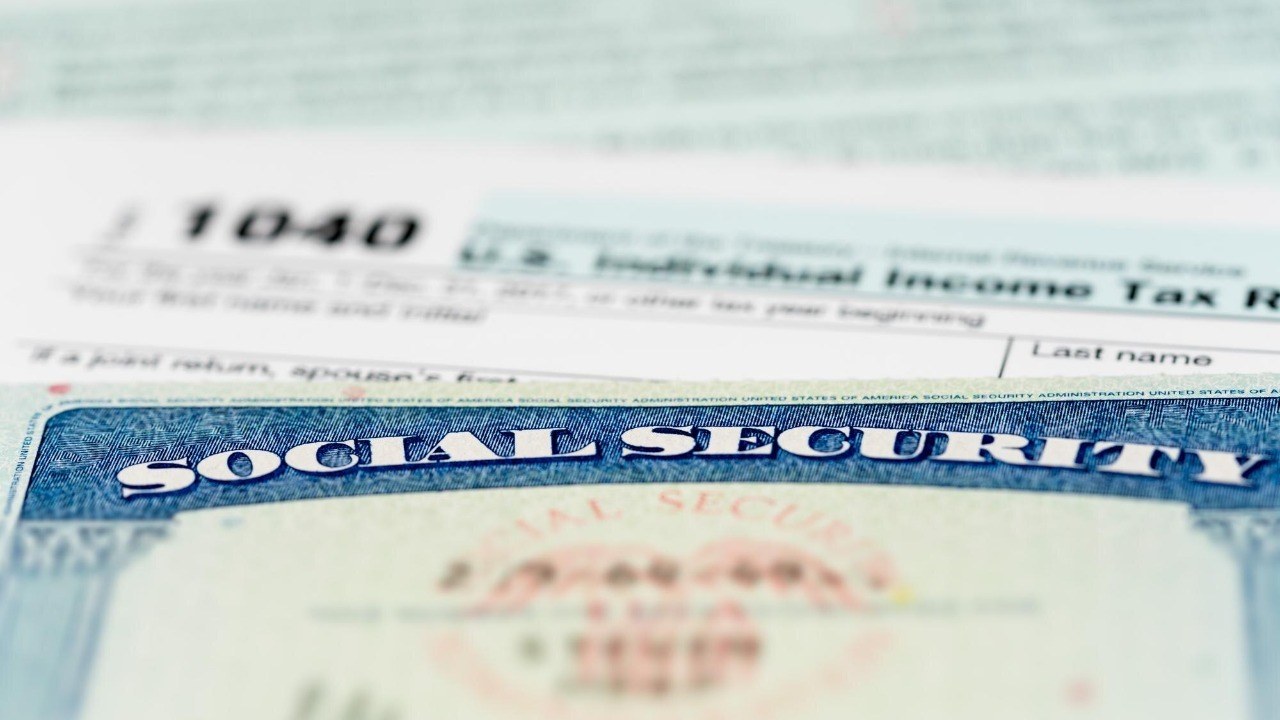
Social Security’s 2027 table shows a top earner who retired at 67 in January 2026 collecting $4,359 a month, and one who retired at 70 that month $5,368
Social Security’s benefit table for 2027 shows a top earner who retired at 67 in January 2026 collecting $4,359 a month, and one who retired at 70 that same month collecting $5,368. The $1,009 monthly difference comes to $12,108 a year. Both amounts are for 2027, after the cost-of-living increase, and come from the table…
-

Heirs and former owners of homes lost to tax foreclosure in 28 Michigan counties from 2013 to 2020 have until November 23 to claim the surplus sale money
Former owners of homes that Michigan counties took for unpaid taxes between 2013 and 2020, and the heirs of those owners, have until November 23, 2026 to file a claim in two class action settlements over surplus sale money. The deadline was pushed back from July 16 by a court order dated August 25. Claims…
-

Jackson County, Missouri homeowners who want out of the reassessment settlement must postmark exclusion requests by November 18, before a November 23 approval hearing
Jackson County, Missouri homeowners who would rather keep their right to sue than join the property tax reassessment settlement have until November 18, 2026 to put a letter in the mail. The exclusion request has to be postmarked by that date, five days before a Kansas City judge holds the approval hearing on November 23.…
-
The IRS will not take bank details by phone after a CP53E refund notice, and filers get one online try within 30 days before a paper check goes out after six weeks
Calling the IRS will not fix a bank number on a refund that is stuck behind a CP53E notice. The agency’s CP53E explainer says plainly that “IRS employees cannot update bank account information,” so a phone agent can listen but cannot enter the new account. The only way to add or change the account is…
-

Social Security no longer asks people repaying an overpayment to mail a check, and points them to Pay.gov, bank bill pay or its debt line instead
Social Security has stopped asking people who owe it money to put a check in the mail. In a July 14, 2026 letter to advocacy groups, the agency said it “will no longer ask individuals to mail checks or credit card forms to repay their debts.” People repaying an overpayment are pointed to three electronic…
-

Trump’s tax law gives people 65 and older a $6,000 deduction, but married couples must file jointly and list each qualifying spouse’s Social Security number, the IRS says
President Donald Trump’s tax law gives Americans 65 and older an extra $6,000 deduction on their federal return, and the IRS attaches two conditions for married couples. Spouses have to file a joint return, and that return has to list the Social Security number of each person who qualifies. The deduction applies to tax years…
-
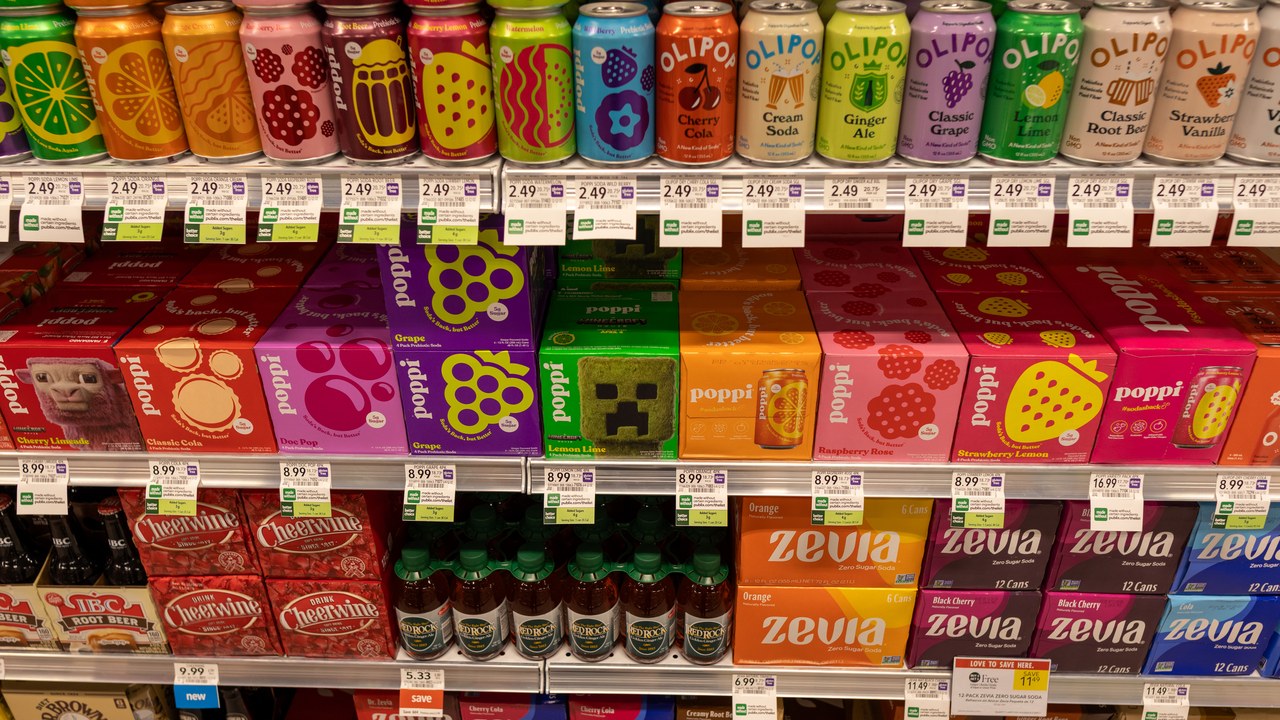
SNAP shoppers in 12 states will be blocked from buying soda or candy by November 1, as Montana, North Dakota, South Carolina and Virginia add their bans, USDA’s list shows
Montana, North Dakota, South Carolina and Virginia are set to begin blocking soda, candy or both from SNAP purchases on Nov. 1, 2026. The four states join eight others whose start dates have already passed, which puts 12 states on the list at that point, according to the U.S. Department of Agriculture’s food-restriction waiver table.…
-
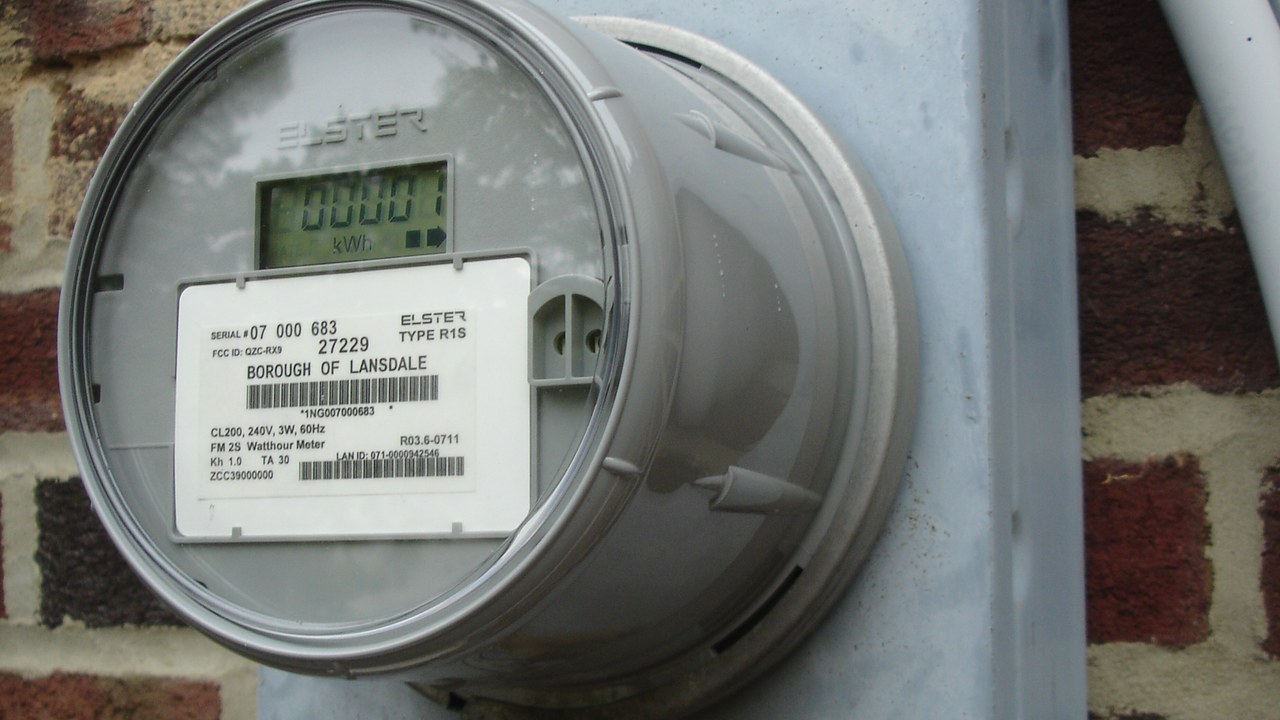
Madison Gas and Electric customers are due about $7.4 million in credits on October bills after Wisconsin regulators ordered a fuel-cost refund
Madison Gas and Electric customers are due about $7.4 million in credits on their October 2026 bills. The Public Service Commission of Wisconsin directed the refund on July 9, 2026, after accepting the utility’s 2025 fuel reconciliation, a yearly accounting of what fuel and power really cost against what customers were charged. The exact figure…
-
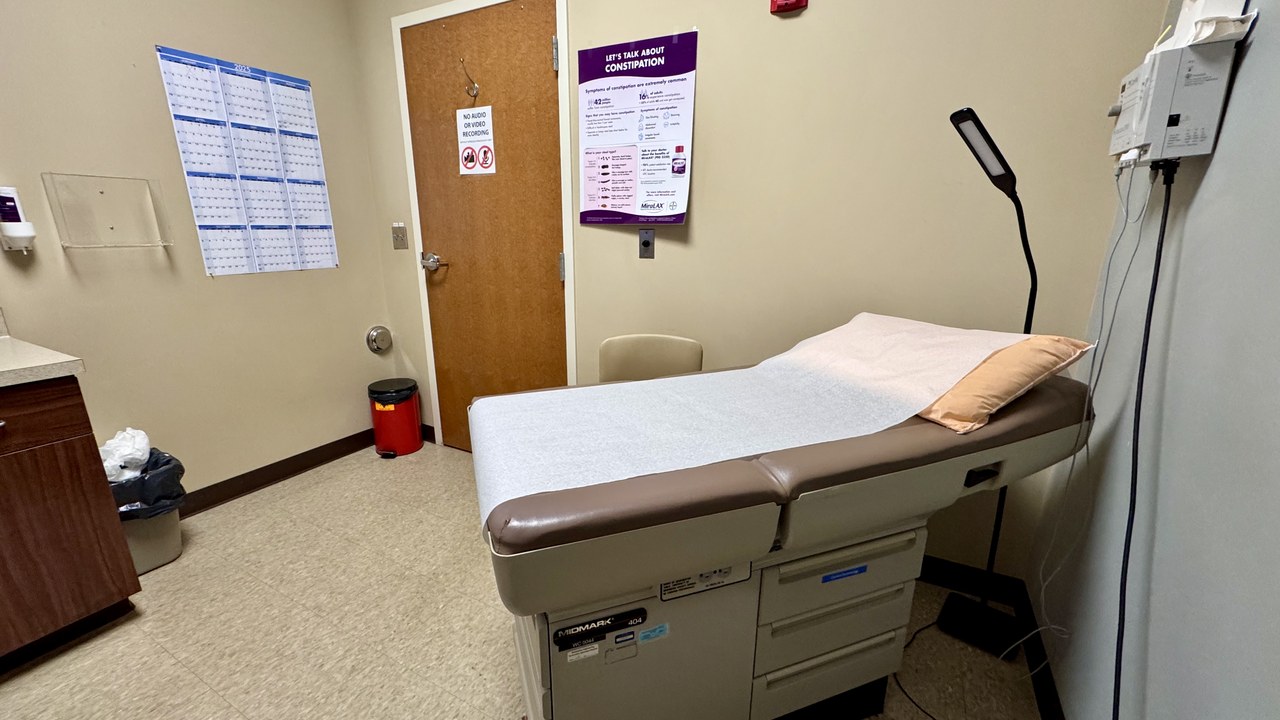
Four new Medicare Advantage insurers start selling 2027 plans, including the Muscogee (Creek) Nation in 11 Oklahoma counties and St. Luke’s in seven Idaho counties
Four organizations are entering the Medicare Advantage market for 2027, and one is a tribal nation and two are health systems rather than long-established insurers. The Muscogee (Creek) Nation is offering a plan in 11 Oklahoma counties, and St. Luke’s Health System of Boise is offering one in seven Idaho counties. Open enrollment for 2027…