
Author: Elizabeth Blessing
-
A federal watchdog traced $12.7 billion in suspected crypto romance scams
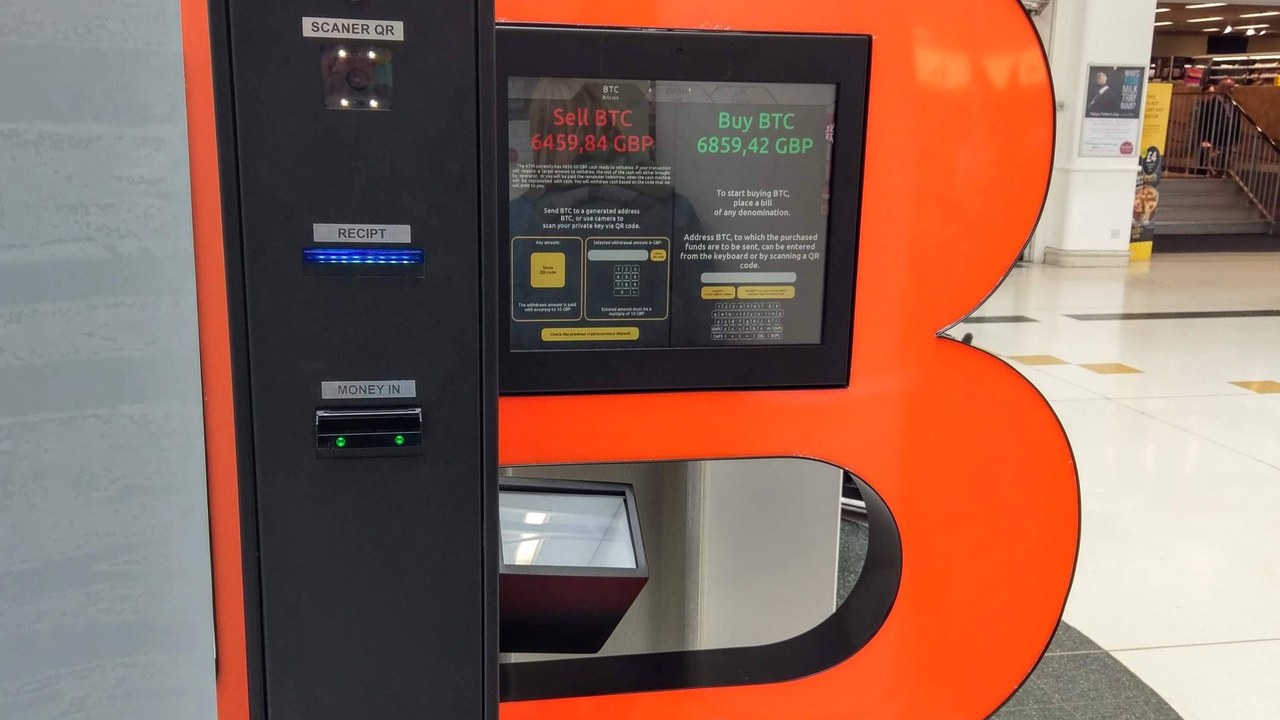
Federal regulators have put a number on one of the fastest-growing fraud problems in the country. On September 3, 2026, the Treasury Department’s Financial Crimes Enforcement Network released an analysis of suspicious-activity reports tied to crypto investment schemes, along with a fresh alert instructing banks and other financial firms on what to watch for. The…
-

A Utah day trader got 15 years for taking $89 million from about 200 investors and buying a plane
A federal judge in St. George, Utah, sentenced Matthew Shane Perkins to 15 years in prison this month for a wire fraud scheme that pulled in at least $89 million from roughly 200 investors. Perkins built his pitch on a reputation as a “savant” trader who almost never had a losing day, and investors sent…
-

A proposed federal rule would limit the taxes states charge hospitals to fund Medicaid, worth $246 billion over ten years
The Centers for Medicare & Medicaid Services has proposed a rule that would tighten how much states can tax hospitals, nursing homes and other health care providers to help pay for Medicaid. CMS estimates the change would cut federal Medicaid spending by roughly $246 billion over the next ten years, mostly by closing financing arrangements…
-

The letter telling a member their Medicare Advantage plan is ending has to arrive at least 90 days before it does
A federal rule most people never hear about until it affects them sets a hard floor on how much warning a Medicare Advantage member gets before their plan disappears. If an insurer decides not to renew its Medicare Advantage contract for the coming year, it cannot simply drop enrollees with a short heads-up. The notice…
-
Brand-name medicines imported into the United States face a 100 percent tariff from September 29 unless the maker is building here
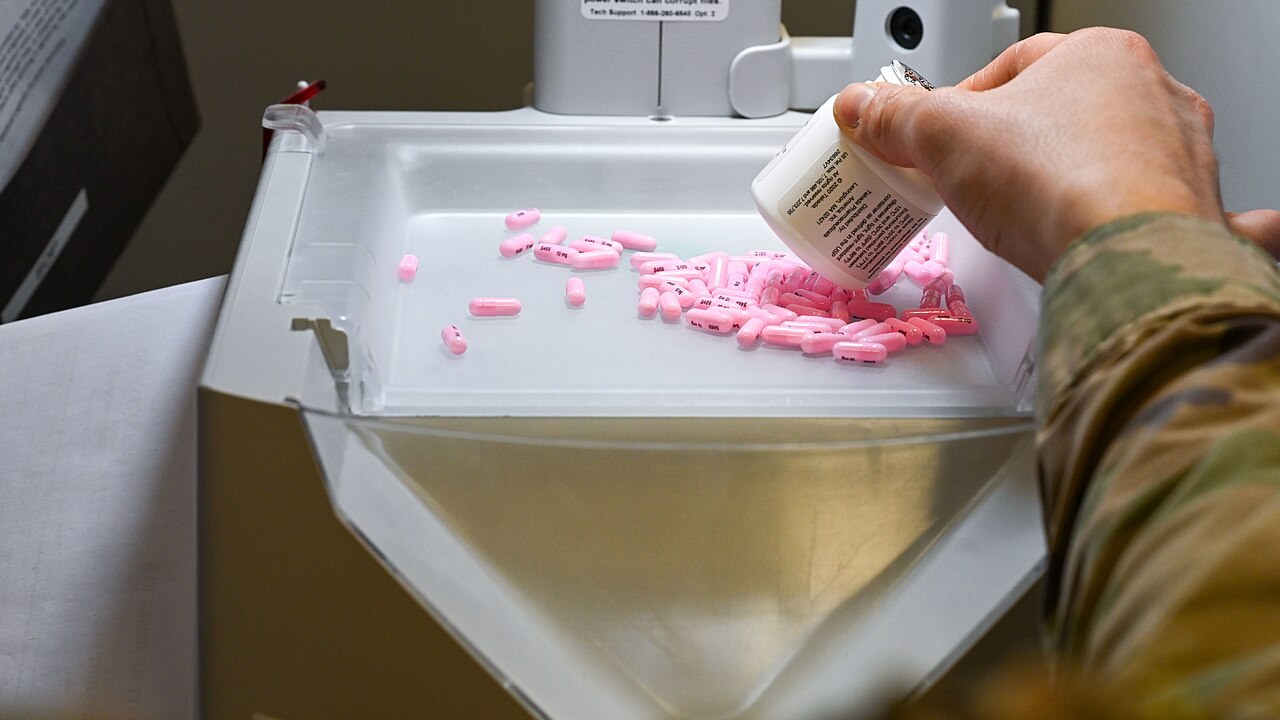
A tariff signed into law back in April is about to widen its reach. Under a presidential proclamation covering patented pharmaceuticals, most drug companies that haven’t lined up an approved plan to manufacture in the United States are now three weeks from paying a steep new duty on branded medicines and their ingredients when those…
-

Housing agencies have until October 1 to ask HUD to redo a local rent ceiling they say is set too low
When HUD sets a fair market rent for an area, that number becomes the ceiling a Housing Choice Voucher will cover there for the entire fiscal year, whether or not the local housing authority thinks it reflects what units actually rent for. This year’s notice includes a formal way to challenge that number before it…
-

Rhode Island regulators also cut a utility’s legal-expense recovery by $440,766 in the same order
Inside the same August 21, 2026 order that produced more than $170 million in bill credits for Rhode Island Energy customers, the Rhode Island Public Utilities Commission also did something much smaller and far less noticed: it told the utility that ratepayers won’t be covering $440,766 of the legal costs it wanted to recover. It’s…
-

Fake car dealership websites are taking real deposits for cars that do not exist
A dealership website looks legitimate, the listed car looks real, and the price feels fair, so a buyer wires a deposit and waits for a call to come pick up the keys. Except the website was never the dealer’s. In a consumer alert published September 1, 2026, the Federal Trade Commission warned that scammers are…
-
The FTC says a postcard offering veterans a bigger monthly benefit is a scam
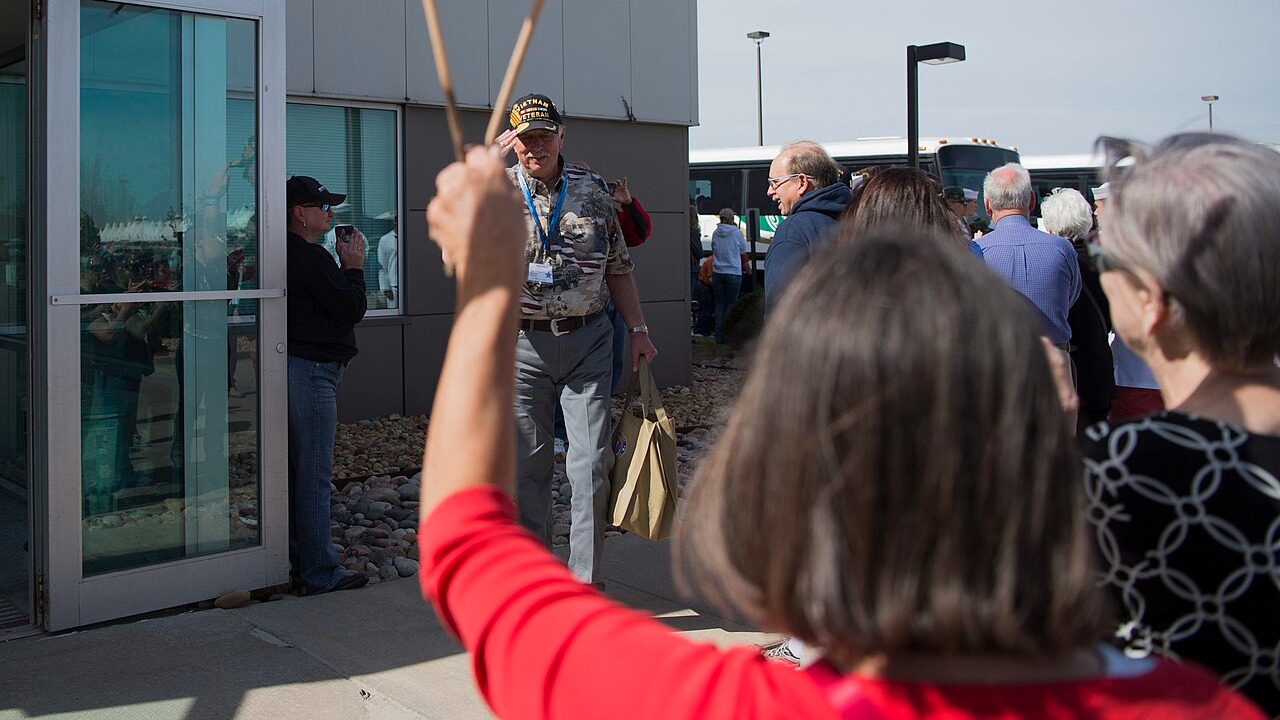
The Federal Trade Commission is warning veterans and their families about postcards showing up in mailboxes nationwide that promise extra monthly benefits through something called the “Veterans Savings Program.” According to the agency, that program is not real, the postcards are not from the Department of Veterans Affairs, and the entire point of the mailer…
-
An 83-year-old woman pleaded guilty to running a $10.9 million scheme that cost 204 investors their savings
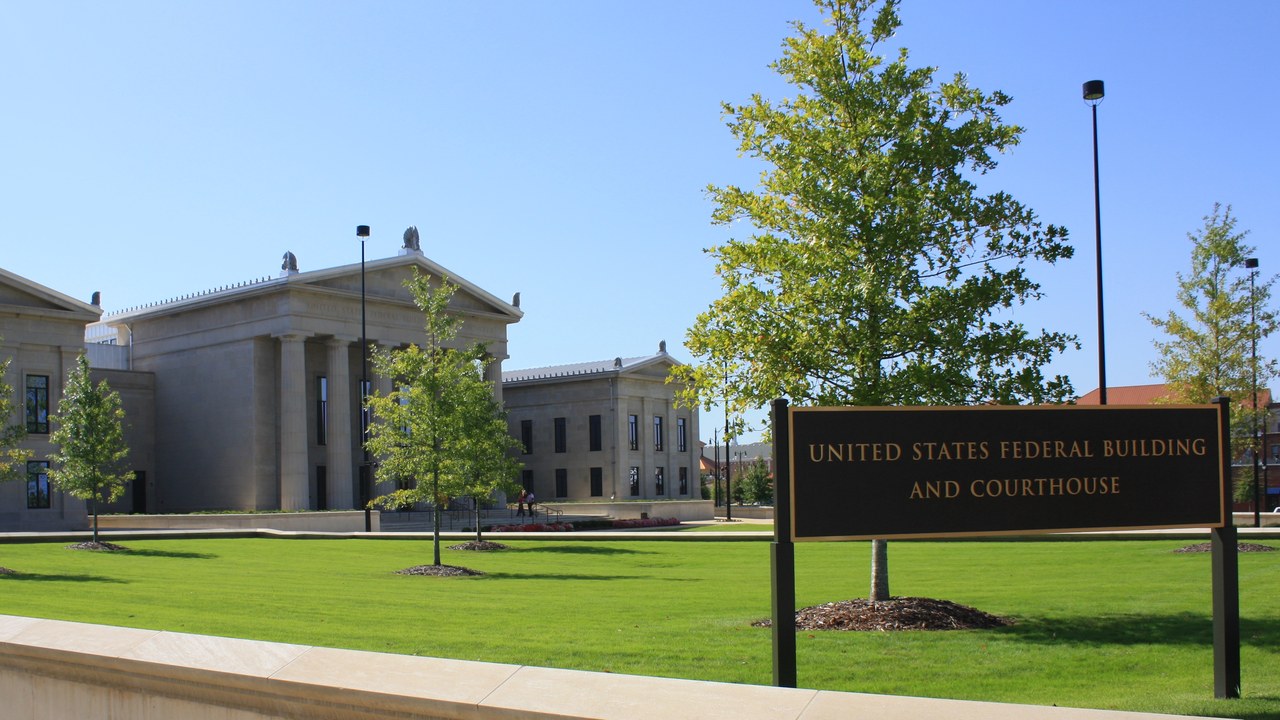
An 83-year-old Lexington, Massachusetts, woman pleaded guilty this month to running a $10.9 million Ponzi scheme built on promissory notes she kept selling for more than a decade after state regulators had already stripped her company of the license it needed to make money. Roughly 204 investors lost their savings, and more than two dozen…