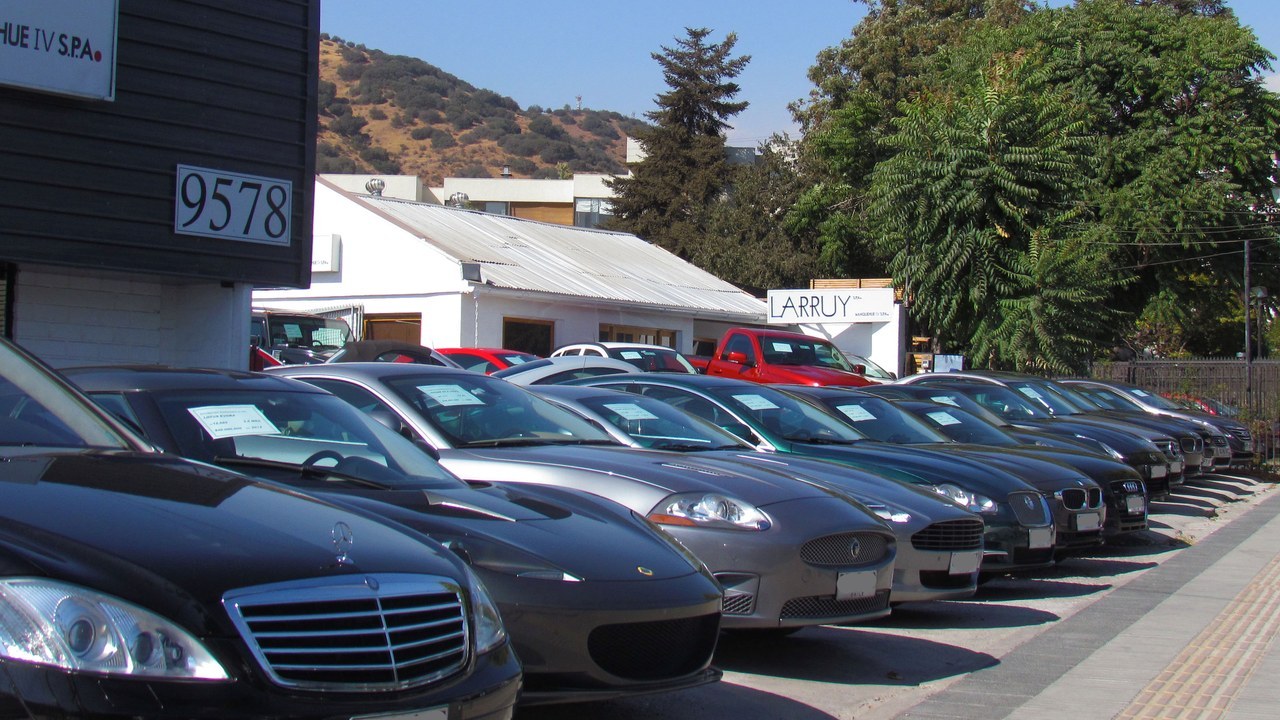
A dealership website looks legitimate, the listed car looks real, and the price feels fair, so a buyer wires a deposit and waits for a call to come pick up the keys. Except the website was never the dealer’s. In a consumer alert published September 1, 2026, the Federal Trade Commission warned that scammers are cloning real car dealerships’ websites, right down to the logos and inventory photos, then collecting money for vehicles that were never actually for sale. Buyers only learn something is wrong when they show up at the real dealership and find no record of their order or their payment.
How Scammers Clone a Real Dealer’s Website
The FTC says the scheme starts with a copy. Scammers duplicate an existing dealer’s site, sometimes using artificial intelligence to reproduce the branding, the vehicle listings, and the photography down to small details that would normally reassure a buyer, like dealership logos and stock photos of the lot itself. Some fake sites go further and include fabricated customer testimonials designed to look like reviews from past buyers who supposedly had a smooth experience.
To pull shoppers in, the fake listings often feature rare muscle cars or other hard-to-find models, the kind of inventory a buyer might not question paying for sight unseen because finding it anywhere else feels unlikely. The FTC’s alert notes that these sites also spell out a detailed buying process and offer flexible return policies, both designed to make the transaction feel routine and low-risk rather than the setup that it actually is.
Free retirement updates: A quiet rule change can shrink your Social Security or Medicare check, and no one warns you. The free Retirement Shield newsletter catches these early and tells you what to do. Get it free.
The Wire-Transfer-Only Demand Is the Tell
The clearest warning sign, according to the FTC, is how the fake dealer wants to be paid. The agency’s alert tells buyers to walk away if a dealer insists on an upfront payment by wire transfer only, since a wire transfer is close to impossible to reverse once it clears. A legitimate dealership selling a car worth tens of thousands of dollars has no real reason to refuse a cashier’s check, a financed payment routed through a bank or credit union, or payment made only after the buyer has seen the actual car in person.
That warning matches what the FTC’s own fraud numbers show. In its 2024 fraud data, the agency reported that consumers lost more money to scams paid for with bank transfers or cryptocurrency than to every other payment method combined that year. Once a wire transfer lands in a scammer’s account, the sending bank generally cannot claw it back, which is exactly why fraud rings push so hard for that specific payment method over a check or a card.
Why a Car Deposit Is a Bigger Target Than Most Purchases
A car deposit is one of the largest single payments most households ever send on a stranger’s instructions, which is part of what makes this particular scam so damaging compared with a fake concert ticket or a knockoff handbag. The FTC’s own guide to buying a used car from a dealer notes that some industry estimates put the average price of a used car close to $28,000, and a deposit or down payment is typically a real percentage of that total sitting in a buyer’s bank account before any vehicle changes hands.
A genuine down payment exists to reduce what a buyer has to finance, which lowers the total cost of the loan or lease over time, as the FTC explains in its consumer guidance on financing or leasing a car. A fake dealership offers none of that benefit. The money simply disappears along with the website, and there is no vehicle, no lien, and no lender on the other end of the deal for a victim to hold accountable afterward.
Checking a Dealer Before You Send Anything
The FTC’s alert lays out concrete steps to take before paying a dealer anything, especially one found online rather than visited first. Search the dealer’s name alongside words like “scam,” “review,” or “complaint,” and treat negative results as a genuine red flag rather than something to shrug off. Because scammers are impersonating a real, established dealership, that same search may also turn up glowing, legitimate reviews of the business being spoofed, so a clean search result on its own is not proof the seller you’re actually talking to is real.
The agency’s stronger recommendation is to go further before paying: ask to see the car and the dealership in person. If the car is too far away for a visit, ask the seller whether you can hire an independent mobile inspection service to check the vehicle on your behalf before any money moves. A legitimate dealer generally has little reason to refuse either request, and a seller who won’t allow an in-person look or an independent inspection is one worth walking away from, no matter how good the price looks.
Reporting a Fake Dealership to the FTC
Anyone who has already sent money to what turned out to be a fake dealership, or who spots a spoofed dealer website before paying, can file a report at ReportFraud.ftc.gov. Those reports feed into the FTC’s Consumer Sentinel Network, the shared database the agency and its law enforcement partners use to track scam patterns and build cases against the people running them. The FTC does not resolve individual complaints or personally recover a victim’s money, but it is exactly these reports that let the agency warn the next buyer before they wire a deposit to a dealership that was never real to begin with.
This article was produced with AI assistance and reviewed by a human editor. Figures are linked to their primary sources; where a claim could not be verified from the public record, we say so.
More Financial Reading