
Author: Elizabeth Blessing
-
Washington, DC got 18.66 percent of its food stamp payments wrong last year, second only to Alaska
Washington, D.C.’s food-stamp program posted a combined payment error rate of 18.66% for fiscal year 2025, the second-highest rate in the country. Only Alaska, at 23.15%, scored worse among the 53 state and territorial SNAP programs the U.S. Department of Agriculture reviewed. New Mexico, at 16.81%, came closest to the District’s number without passing it.…
-
Only nine states kept food stamp payment errors under 6 percent last year
South Dakota posted the lowest food-stamp payment error rate in the country for fiscal year 2025, at 2.47%. It was one of only nine states that kept a combined error rate under 6% last year, according to the U.S. Department of Agriculture’s newest accuracy count for the Supplemental Nutrition Assistance Program. That threshold carries more…
-

Georgia’s food stamp rolls fell by 124,381 people in a single month, from May to June
124,381 fewer people were enrolled in Georgia’s Supplemental Nutrition Assistance Program in June 2026 than in May 2026, according to USDA’s state-level participation table. The state’s SNAP count fell from 1,320,870 people to 1,196,489 in a single month, a decline of about 9.4 percent. USDA marks both May and June 2026 as preliminary for Georgia,…
-
Food stamp enrollment fell over the past year in every state except Alaska and North Dakota
Alaska and North Dakota were the only two states where food stamp enrollment rose between June 2025 and June 2026, according to USDA’s state-by-state SNAP participation table. Every other state, the District of Columbia and every territory listed in the table recorded fewer people receiving benefits in June 2026 than a year earlier. The pattern…
-

Computer and TV prices rose 12.2 percent in a year, the Minneapolis Fed says
Neil Mehrotra and Michael E. Waugh, researchers at the Federal Reserve Bank of Minneapolis, set out to measure how much of the past year’s stubborn inflation actually traces back to tariffs. One category kept throwing off their numbers: computers, televisions and other video and information-processing equipment, whose prices climbed 12.2 percent over the year through…
-

The average new car sold for $50,089 in August as dealer discounts shrank
Erin Keating had been expecting this move for months. The Cox Automotive executive analyst said her team anticipated new-vehicle transaction prices climbing back above $50,000 at some point in 2026, and Kelley Blue Book’s August count put the figure at $50,089. Behind that headline number sits a quieter shift: the discount dealers were willing to…
-
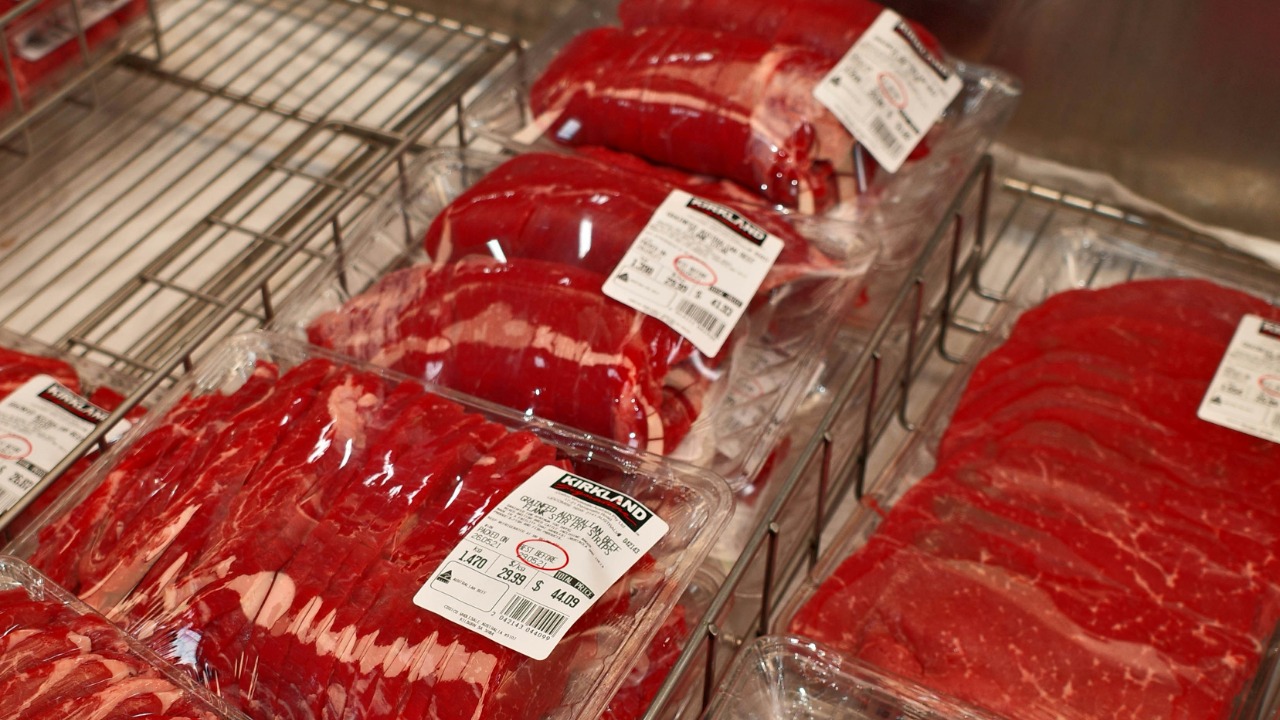
Beef prices are up 5.9 percent and coffee 6.1 percent from a year ago
Two items in the grocery cart pulled far harder on household budgets than the rest of the cart over the past year. Beef and veal cost 5.9 percent more in August 2026 than a year earlier, and coffee cost 6.1 percent more, according to the U.S. Bureau of Labor Statistics’ Consumer Price Index report. Both…
-
Energy prices rose 16.3 percent in a year, while core prices rose 2.4 percent
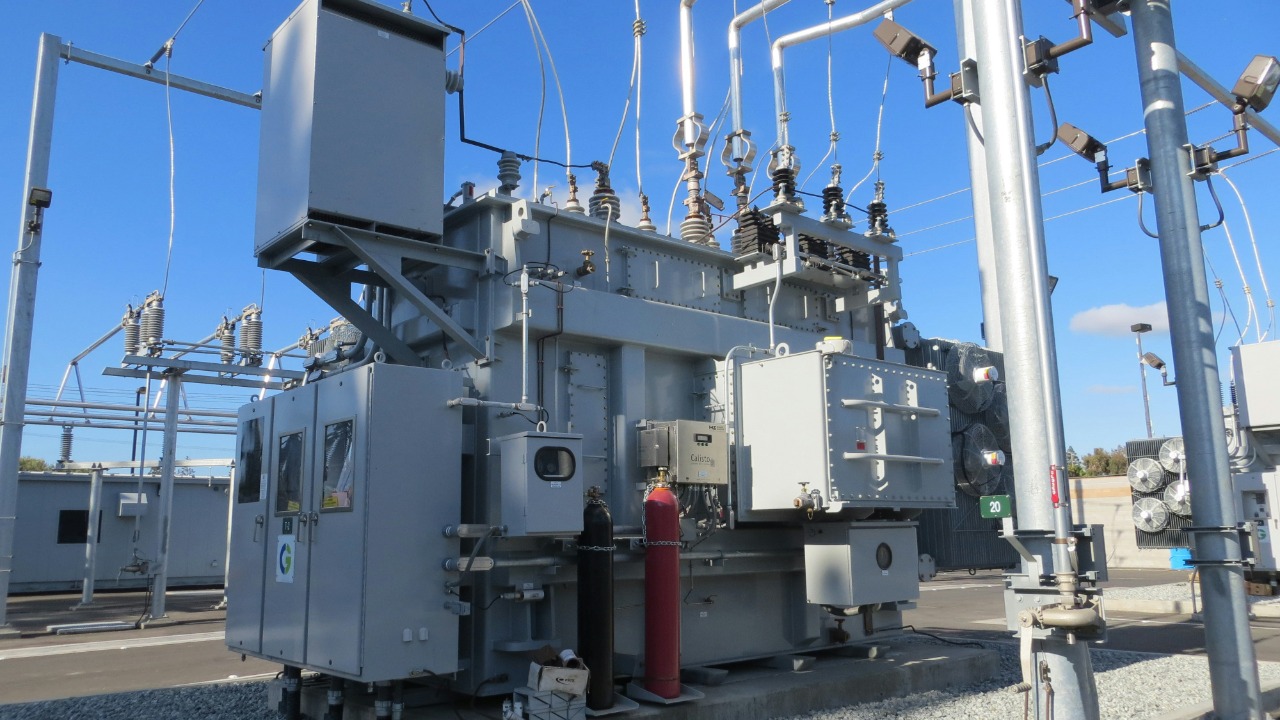
The U.S. Bureau of Labor Statistics measured two very different price stories inside the same August 2026 Consumer Price Index report. Energy — the combined cost of gasoline, electricity, natural gas service and heating fuel — rose 16.3 percent over the twelve months ending in August. Set energy and food aside, and the rest of…
-
Regular gas averaged $4.48 on September 21, $1.30 more than a year ago
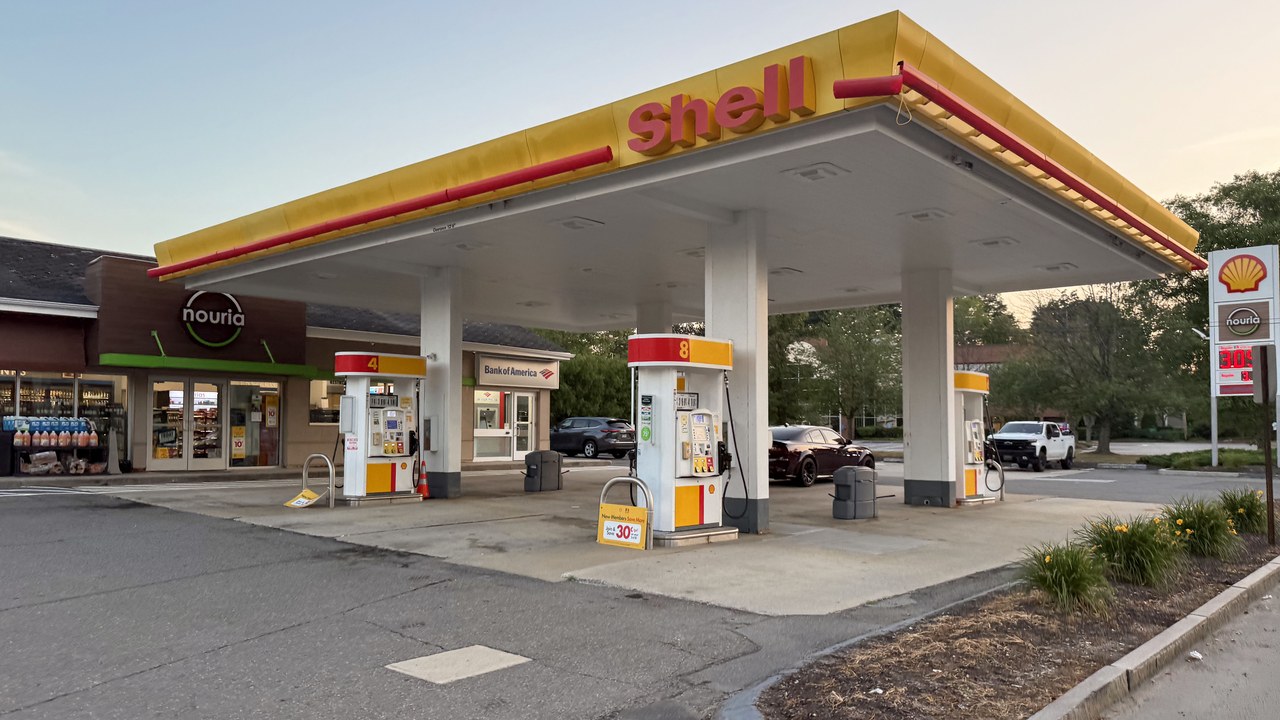
For the third week in a row, the national average price of regular gasoline moved higher, reaching $4.478 a gallon on September 21. The U.S. Energy Information Administration’s weekly survey put that $1.305 above the same week last year. Gasoline has not strung together a run of increases this size since the price spikes of…
-
Diesel hit $6.529 a gallon on September 21, the highest in government records that began in 1994
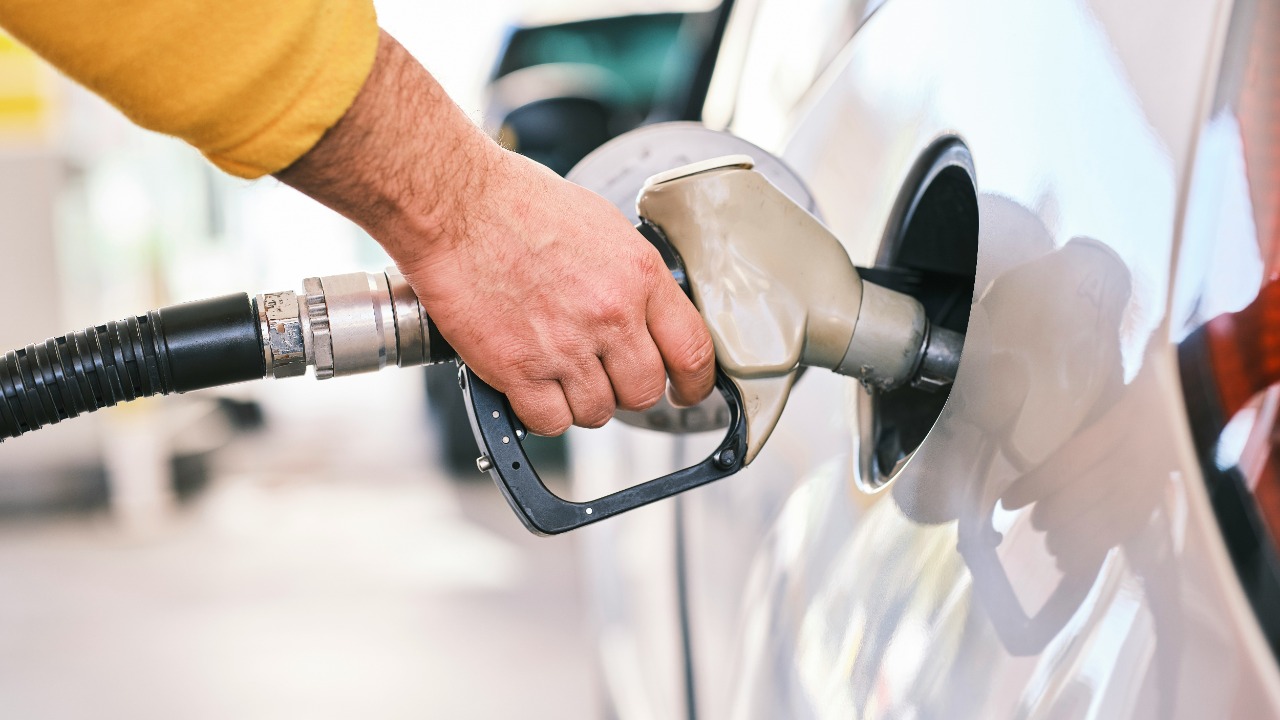
On-highway diesel averaged $6.529 a gallon across the United States on September 21, the highest weekly price the federal government has recorded since it began tracking the fuel in March 1994. The number rose 24.4 cents in a single week and now sits $2.78 above where diesel stood a year earlier. Three straight weeks of…