
Author: Elizabeth Blessing
-

Consumers filed 3 million fraud reports last year and put their losses at $15.9 billion, against about $12 billion the year before.
Federal regulators have a fresh number for how expensive scams got last year, and it isn’t small. The Federal Trade Commission told Congress this year that consumers filed 3 million fraud reports in 2025 and put their combined losses at $15.9 billion, up from 2.6 million reports and more than $12 billion in losses the…
-

People over 50 accounted for $302 million of the money Americans fed into crypto ATMs at a scammer’s direction last year.
Crypto ATM kiosks look like ordinary cash machines, but the FBI says scammers have turned them into one of the fastest-growing ways to move a victim’s money out of reach for good. In its newly released 2025 Internet Crime Report, the bureau’s Internet Crime Complaint Center found that people 50 and older accounted for $302…
-

More than 3,100 complaints from older Americans named artificial intelligence last year, and those cases alone topped $352 million in losses.
The FBI’s Internet Crime Complaint Center gave artificial intelligence its own fraud category for the first time in the bureau’s nearly 25-year history of tracking online crime, and the toll on older Americans is already substantial. In its newly published 2025 Internet Crime Report, IC3 recorded more than 3,100 complaints from people age 60 and…
-

The food stamp savings cap holds at $3,000 for most households even as the limit for older and disabled households rises to $4,750.
Starting October 1, 2026, the U.S. Department of Agriculture will phase in its annual round of cost-of-living adjustments to the Supplemental Nutrition Assistance Program, and one figure in the package is staying exactly where it has been for years: the resource limit for most households applying for food assistance holds at $3,000. Households with a…
-

An elderly or disabled two-person household counted on its own clears the food stamp screen at $2,976.
When an elderly or disabled person lives with relatives or roommates but genuinely cannot buy and cook food with them because of a permanent disability, federal rules let that person and their spouse apply for SNAP as their own household, separate from everyone else in the home. Whether that split is allowed depends on how…
-
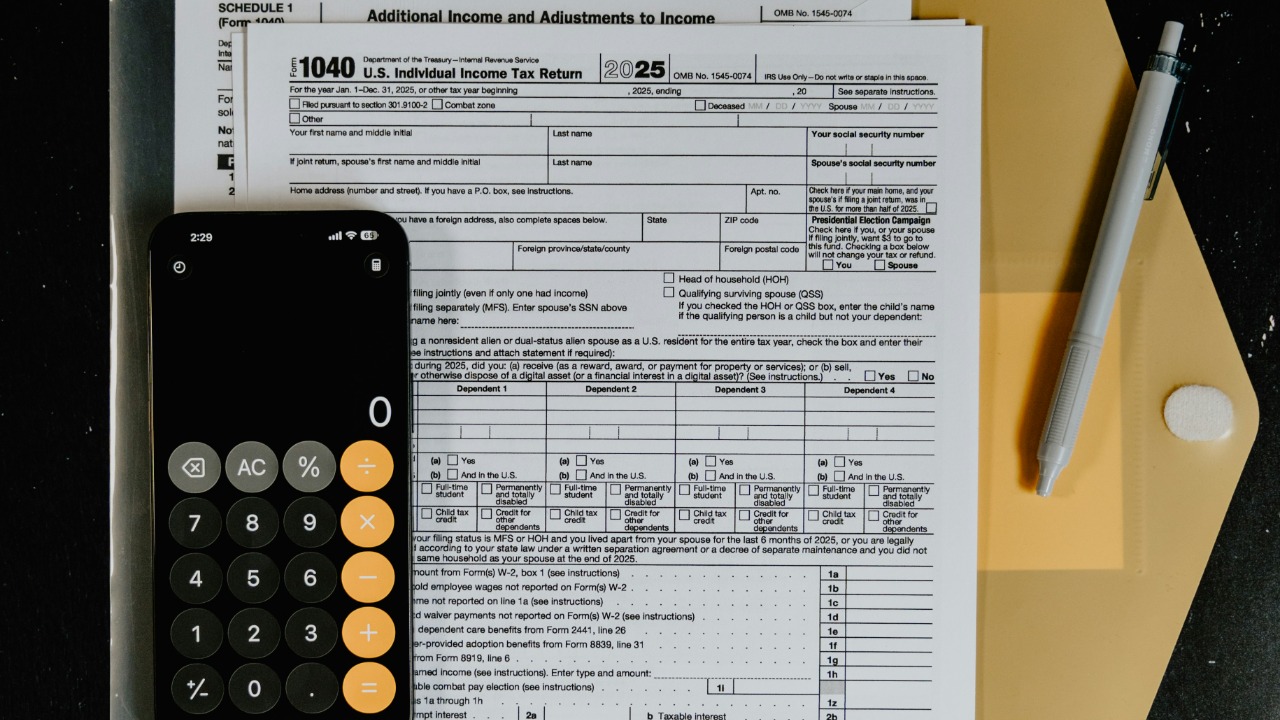
IRS interest on unpaid tax holds steady into the quarter beginning October 1.
The IRS confirmed this week that the interest it charges on unpaid federal taxes, and pays on refunds it’s slow to issue, will not change when the next quarter begins on October 1. For anyone carrying a tax balance into the fall, or still waiting on a refund that’s taking longer than expected, that means…
-

Food stamp households of nine to 17 add $225 per person.
Add a ninth person to a Supplemental Nutrition Assistance Program household and, starting October 1, 2026, the math changes in a way most coverage of the annual SNAP increase skips entirely: the U.S. Department of Agriculture’s fiscal year 2027 update sets a flat $225 add-on to the maximum monthly allotment for every additional person from…
-
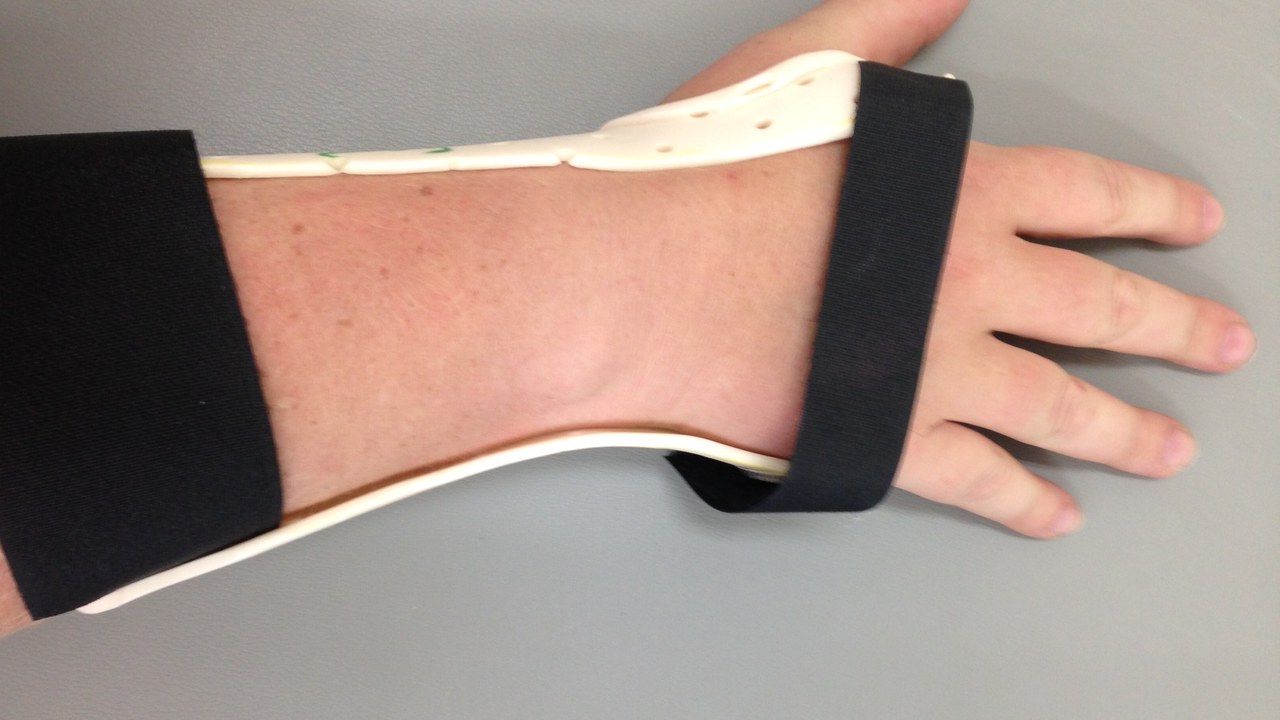
A Texas supplier billed Medicare about $5.5 million for orthotic braces, and six patients told investigators they never wanted them.
A Texas-based durable medical equipment supplier submitted roughly $5.5 million in claims to Medicare for orthotic braces, and federal investigators say the company may never have delivered what it billed for. The Centers for Medicare & Medicaid Services disclosed the case this week as part of a broader crackdown on medical-equipment fraud, and it stands…
-

Medicare’s drug benefit loses its coverage gap on January 1.
If you take prescription drugs on Medicare, you may already have noticed that the dreaded “donut hole,” the coverage gap where your costs used to jump, has quietly stopped hitting your wallet the way it once did. That’s not an accident, and it isn’t going away. Starting with the plan year that opens January 1,…
-

A used-car buyer in California also gets written disclosure of condition, warranties and fees from October 1.
Starting October 1, 2026, a California used-car dealer has to put a lot more of what it tells a shopper into writing. A new state law replaces a patchwork of loosely enforced sales practices with specific, written disclosure duties covering price, optional add-ons and the condition of a vehicle that gets returned. For a household…
