
Author: Elizabeth Blessing
-

Medicare’s drug benefit loses its coverage gap on January 1.
If you take prescription drugs on Medicare, you may already have noticed that the dreaded “donut hole,” the coverage gap where your costs used to jump, has quietly stopped hitting your wallet the way it once did. That’s not an accident, and it isn’t going away. Starting with the plan year that opens January 1,…
-

A used-car buyer in California also gets written disclosure of condition, warranties and fees from October 1.
Starting October 1, 2026, a California used-car dealer has to put a lot more of what it tells a shopper into writing. A new state law replaces a patchwork of loosely enforced sales practices with specific, written disclosure duties covering price, optional add-ons and the condition of a vehicle that gets returned. For a household…
-

The 2027 Medicare plan ratings will not carry the health-equity bonus CMS had planned to award.
Every Medicare Advantage and Part D plan gets a public quality score each year, from one to five stars, and that score does more than help shoppers compare options. It also decides how much extra federal money a plan collects. Federal regulators had spent several years developing a new piece of that scoring formula meant…
-
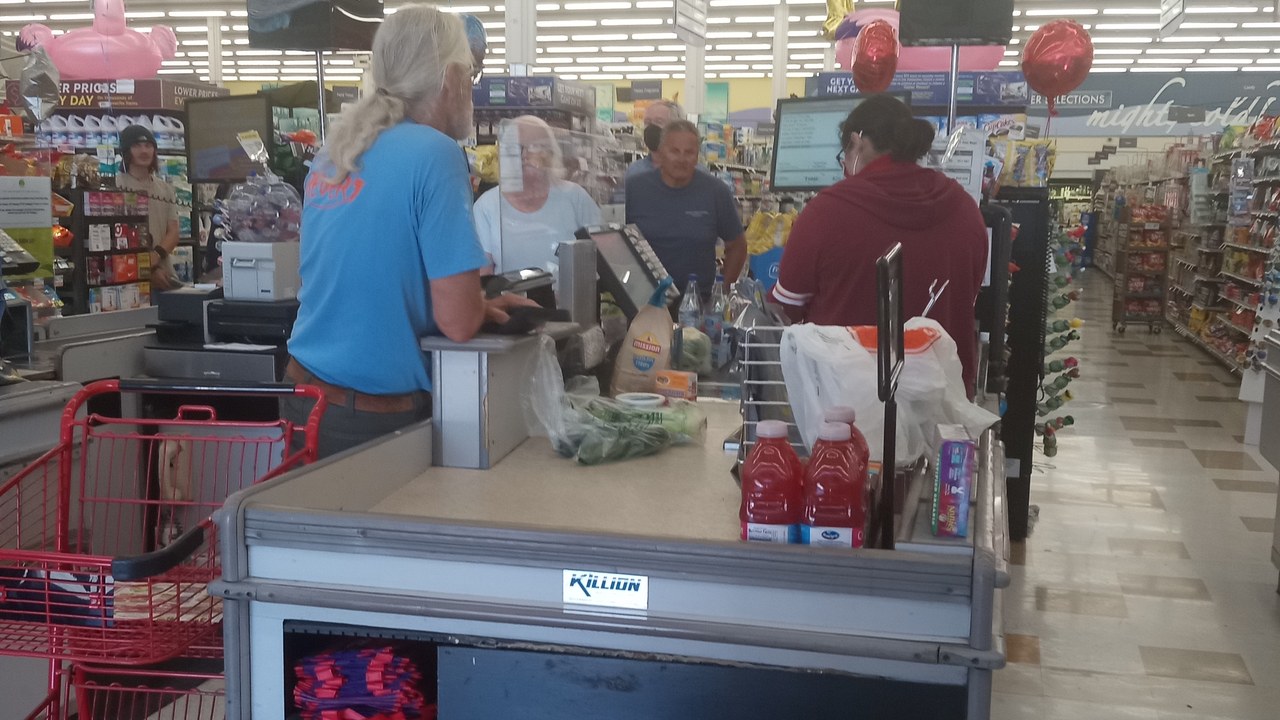
A food stamp household of six or more collects a $308 standard deduction in the new benefit year, $91 above what the smallest households get.
A Supplemental Nutrition Assistance Program household of six or more people will be able to subtract $308 from its income before the government calculates its monthly food benefit once the U.S. Department of Agriculture’s fiscal year 2027 cost-of-living adjustment takes effect on October 1, 2026. A household of one, two or three people only gets…
-

Medicare’s 2027 plan prices do not reach the public comparison tool until sometime in October.
Every fall, headlines announce the average Medicare Advantage or Part D premium for the coming year, usually sometime in September. It’s easy to assume that means you can go online that same week and see exactly what your own 2027 plan options will cost. You can’t. The number that makes headlines in September is a…
-
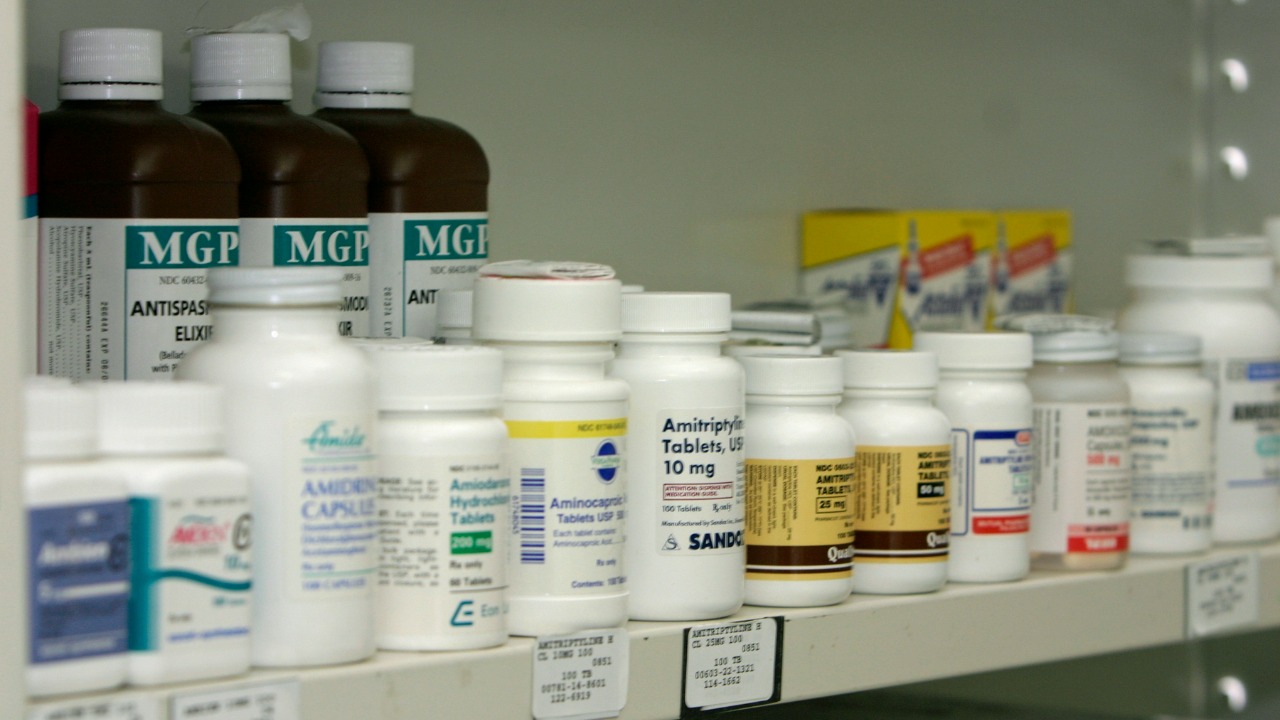
The new drug deals move Medicaid and cash-register prices, and analysts say private insurance and Medicare bills barely budge.
The Trump administration’s latest round of most-favored-nation drug pricing deals, announced August 31, 2026, brought the number of participating manufacturers to 26. The agreements lower what state Medicaid programs pay for brand-name drugs from those companies, and they lower list prices for patients buying directly through the federal TrumpRx website. But read the fine print…
-

A flood policy already in force keeps paying through its expiration date.
Congress’s flood insurance deadline gets most of the attention, but a narrower, more reassuring rule sits underneath it. If a homeowner already has a National Flood Insurance Program policy in force, that policy does not disappear the moment the federal government’s authority to sell new coverage runs out. It keeps paying covered claims and staying…
-
Medicaid’s new work test will cover about 18.5 million people, and the budget office expects roughly 5.2 million of them to lose coverage.
Starting January 1, 2027, millions of adults who get Medicaid through the program’s expansion group will have to prove they are working, training, volunteering or in school for at least 80 hours a month to keep their coverage. The Congressional Budget Office has estimated that the requirement will touch about 18.5 million people nationwide, and…
-
About 20 marketplace insurers are asking for 2027 premium increases above 20 percent, and states set the final rates before November 1.
Roughly 20 health insurers that sell Affordable Care Act Marketplace plans asked state regulators for 2027 premium increases topping 20 percent, part of a wider round of filings that mostly proposed double-digit hikes for the second year in a row. The requests were among the earliest signals of what marketplace shoppers can expect to pay…
-
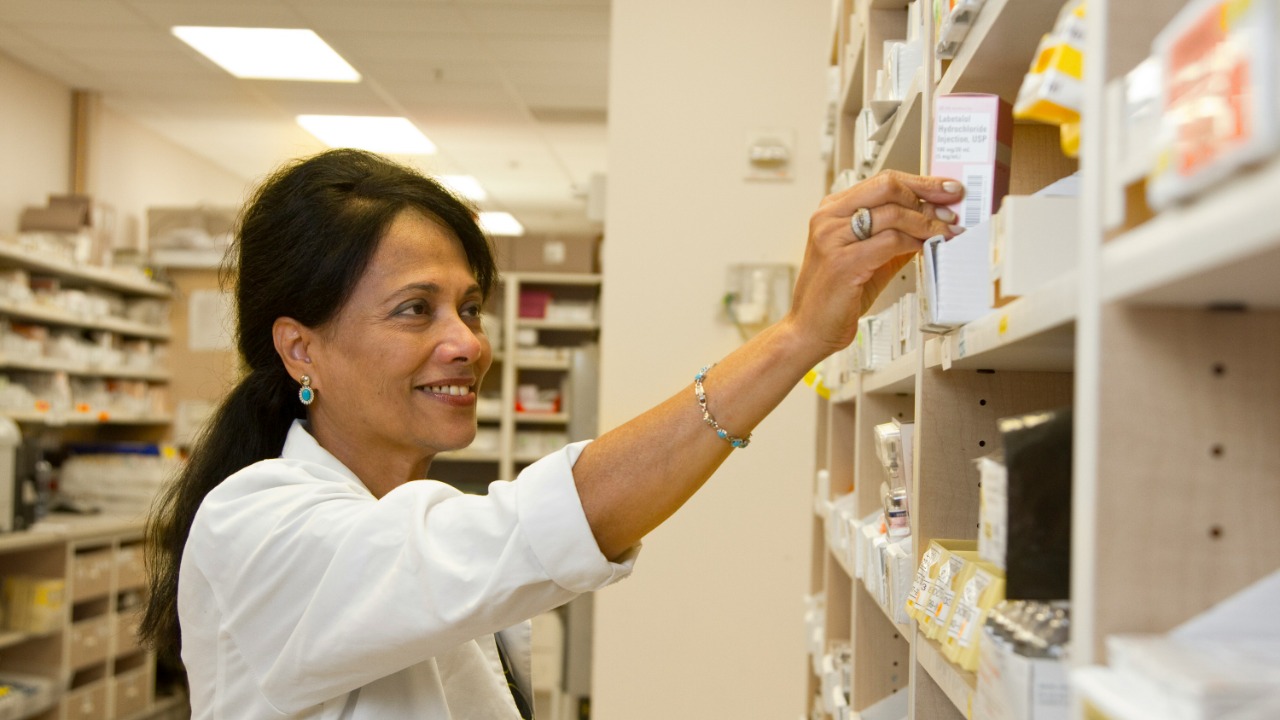
Twenty-six drugmakers have now agreed to charge Medicaid the lower prices Europe pays, covering 89 percent of the branded drug market.
The Trump administration says 26 pharmaceutical manufacturers have now agreed to sell drugs to state Medicaid programs at the same reduced prices those companies already charge buyers in other wealthy countries. The latest round, announced August 31, 2026, added nine more drugmakers to the list and pushed the share of the U.S. branded prescription drug…
