Six months after the United States and Israel launched military strikes against Iran, the war’s economic fallout has moved well past headlines about the Strait of Hormuz. It has landed in the household budget: at the gas pump today, and in the heating bill this winter. A new analysis from the association representing the state officials who run federal home-energy aid puts a single dollar figure on that damage: a representative family is facing about $1,250 in added gasoline and heating costs since the fighting began on February 28.
Six Months of War Adds $520 to the Average Gas Bill
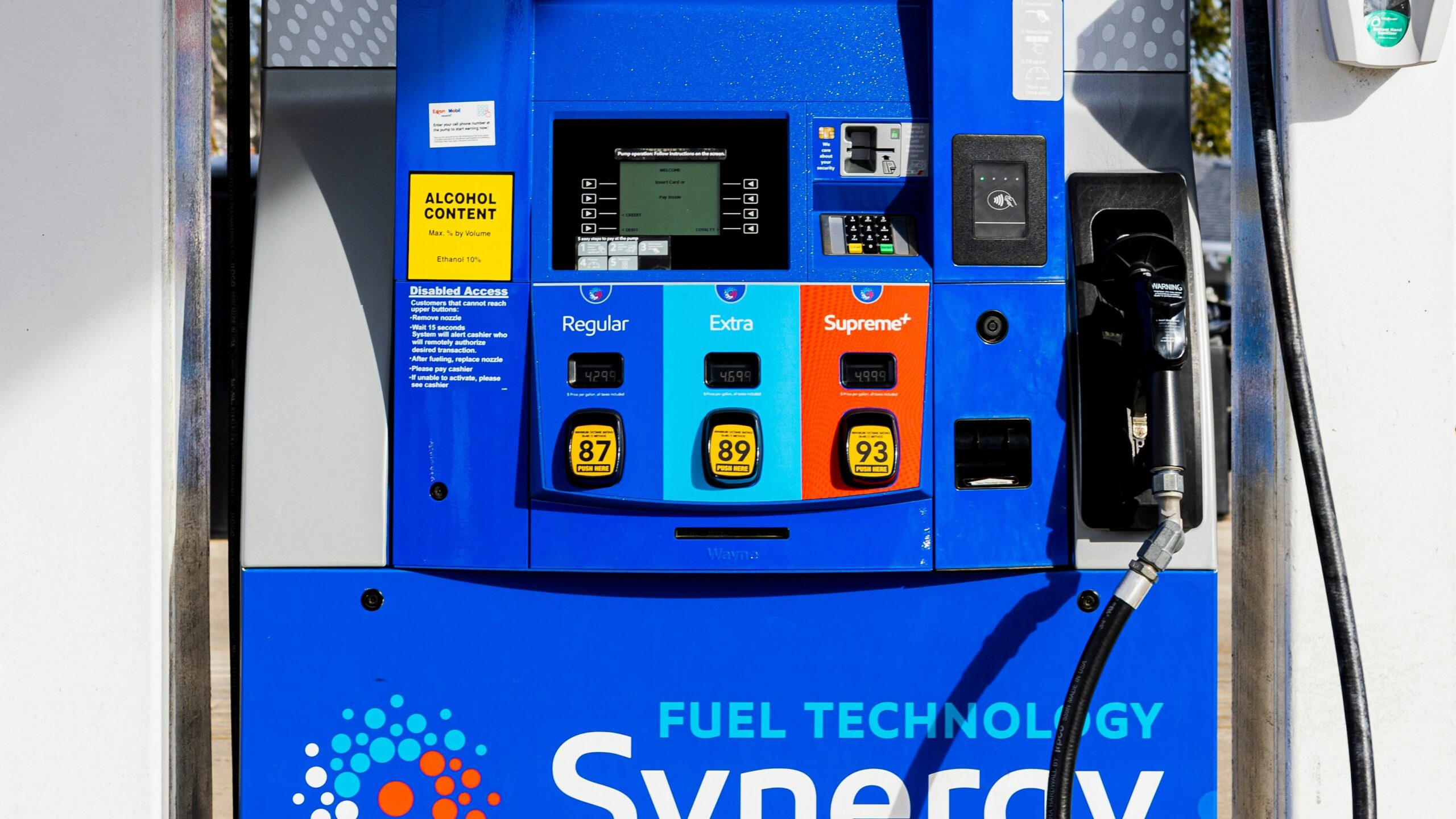
The National Energy Assistance Directors Association (NEADA), a nonprofit representing the state directors of the Low Income Home Energy Assistance Program, published the analysis on August 27 to mark the war’s six-month anniversary. The group priced out a representative household that buys 500 gallons of gasoline over six months. At the war’s actual six-month average price of $3.98 a gallon, that comes to about $1,990, compared with $1,470 at the pre-war price of $2.94 a gallon — a $520 increase, according to NEADA’s August 27 analysis. As the group published its numbers, the national average price of regular gasoline was running about $4.10 a gallon, still far above the roughly $2.94-to-$3.25 range households were paying before the February 28 strikes on Iran.
Free retirement updates: One number can cost or save hundreds a month in retirement. The free Retirement Shield newsletter surfaces the ones worth knowing. Sign up free.
Heating Oil Could Add Another $707 This Winter
The bigger number may still be on its way. NEADA estimates retail heating oil is now running about $5.55 a gallon, derived from its typical relationship to the retail diesel price, which the group put at $5.45 a gallon. Federal price data released September 1 by the U.S. Energy Information Administration shows the run-up hasn’t eased: the national average diesel price was $5.599 a gallon for the week ending August 31, with regular gasoline at $4.071 a gallon, both consistent with NEADA’s numbers. For a household that burns 450 gallons of heating oil over a winter, NEADA puts the season’s bill at about $2,497, up $707 from the $1,790 average of the 2025-26 heating season. NEADA is explicit that this piece is a projection, not a metered reading: the government’s residential heating-oil price series is seasonal and doesn’t publish a summer number, so the group built its estimate off the diesel-to-heating-oil price ratio rather than an actual August heating-oil quote.
Why a War Six Time Zones Away Shows Up at the Pump
The mechanism is straightforward even though the war is thousands of miles from any driveway. Roughly a fifth of the world’s traded oil moves through the Strait of Hormuz, and the conflict has left only a handful of tankers a day able to pass through it safely. Higher crude prices raise gasoline first, then diesel, which fuels the trucks, trains and ships that move groceries and other goods, and eventually heating oil, which is refined from the same barrel of crude. NEADA’s earlier wartime analysis, published in March, warned that oil crossing $100 a barrel could add $100 or more a month to a family’s combined gasoline, food and heating costs. Crude has since traded above that threshold for stretches of the war, which is part of why the August figures land where they do.
The $1,250 Figure Comes With Real Caveats
NEADA frames its math as illustrative rather than a bill any single household will actually receive. The 500-gallon gasoline and 450-gallon heating-oil assumptions are averages; actual use depends on how far someone commutes, the size and insulation of a home, and local weather. A family that drives less, or heats with natural gas or electricity instead of oil, will see a different number, and a colder-than-normal winter could push the heating-oil side higher still. What doesn’t change is the direction: every input in NEADA’s model, from the six-month gasoline average to the current diesel price, points to a household spending meaningfully more on energy than it was in February.
Federal Heating Aid Is Also Under Pressure
The timing compounds the problem. NEADA is asking Congress for an additional $3 billion in emergency funding for LIHEAP, the federal program that helps millions of low-income households cover heating and cooling bills, arguing that the energy-price shock has outpaced the program’s existing budget. That request follows the administration’s fiscal year 2027 budget proposal, which called for eliminating federal LIHEAP funding entirely. LIHEAP is run by the Administration for Children and Families, and its funding level for the coming heating season is still being worked out in Congress, separate from the energy-price trends NEADA is tracking.
NEADA’s own language for the bottom line is unadorned: a representative family could face approximately $1,250 in additional gasoline and heating costs compared with pre-war and prior-winter baselines. The group’s day job is tracking exactly how far a fixed income stretches when energy prices move, and its release makes the point that for a family living paycheck to paycheck, a few hundred extra dollars for gasoline or heating oil is rarely a rounding error. It can mean choosing between filling the tank, paying the heating bill, buying groceries or covering another bill that’s already due.
This article was produced with AI assistance and reviewed by a human editor. Figures are linked to their primary sources; where a claim could not be verified from the public record, we say so.
More Financial Reading