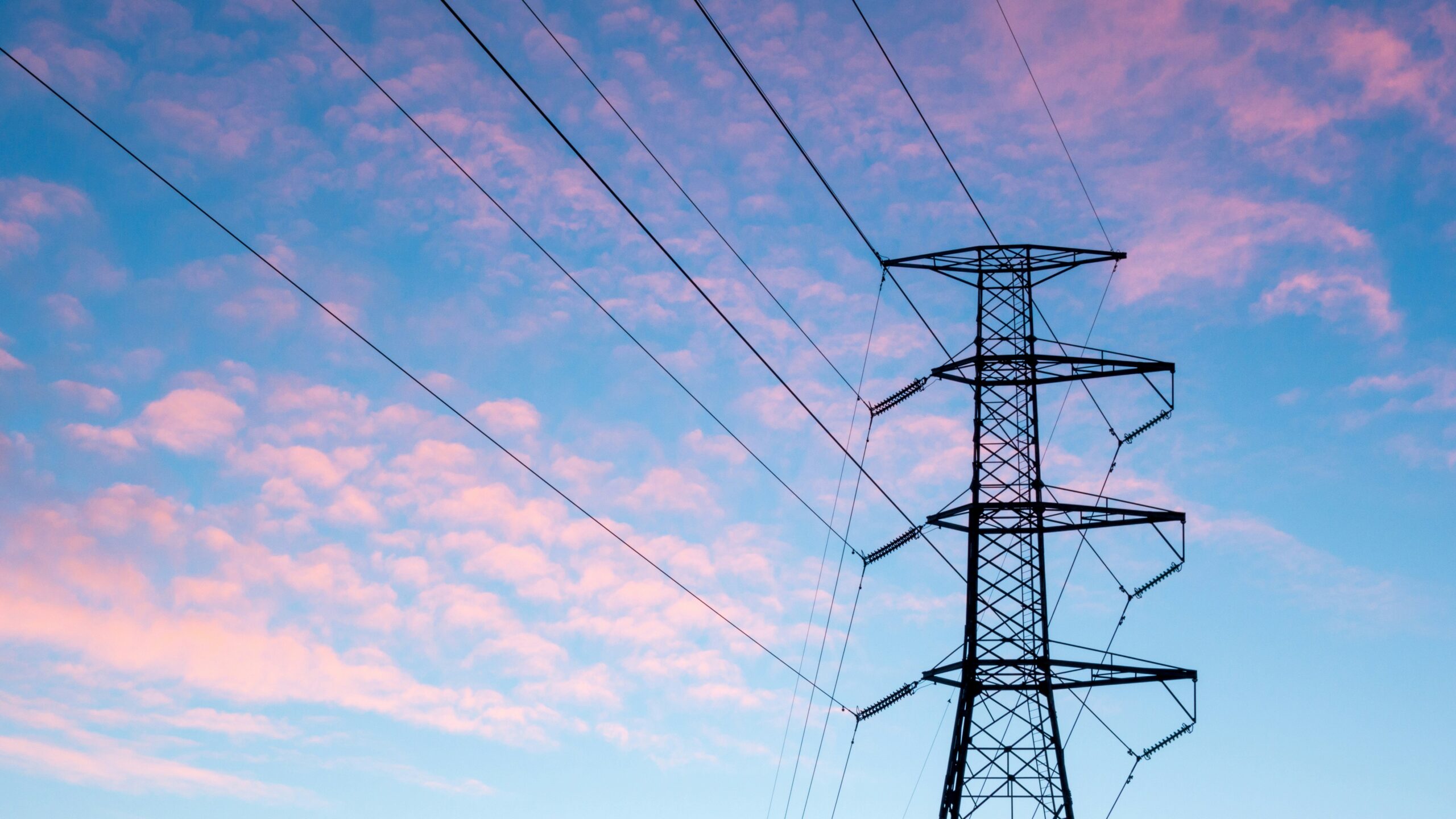
Electricity has quietly become one of the fastest-rising household costs, climbing faster than overall inflation and pushing power bills higher for families already stretched. Unlike a grocery run you can trim or a purchase you can delay, the electric bill is close to non-negotiable — you cannot skip keeping the lights on and the house livable. That makes rising rates especially hard on fixed-income households, and it puts a premium on the assistance programs and efficiency steps that can bring a bill down.
What the data shows about power prices
Residential electricity prices have outpaced the broader inflation rate over the past year, a trend visible in both the consumer-price data and the energy statistics. The Bureau of Labor Statistics tracks electricity as part of the Consumer Price Index, and the Energy Information Administration, the federal government’s energy data agency, monitors residential rates through its electricity data. Both show power costs rising at a clip above the headline inflation number rather than in line with it.
Several forces are behind the climb: higher costs to build and maintain the grid, growing electricity demand, extreme weather driving up both usage and infrastructure strain, and the price of the fuels used to generate power. Because utility rates are set through regulatory processes rather than a free market, increases often arrive in approved rate hikes that show up on the bill for months or years.
Free retirement updates: Miss an enrollment or claim deadline and it may be gone. Our free Retirement Shield newsletter keeps readers ahead of the ones that matter. Get the free newsletter.
Why it hits fixed-income households hardest
Energy is a necessity with limited substitutes, so when its price rises, lower-income and fixed-income households absorb the increase directly. They already spend a larger share of income on utilities, and there is little room to cut usage of heating, cooling, and refrigeration without risking health and safety. Summer cooling and winter heating are the two peaks when bills spike, and for an older adult, skipping air conditioning in a heat wave or heat in a cold snap is dangerous, not merely uncomfortable.
That is why rising electricity costs are a genuine budget threat rather than a nuisance. A steady increase in the one bill you cannot avoid crowds out spending on food, medicine, and everything else, and it compounds year over year as rate increases stack up.
Help paying the bill
The main federal safety net for energy costs is the Low Income Home Energy Assistance Program, which helps eligible households pay heating and cooling bills and, in many states, handle an energy emergency such as a shutoff. Its benefits and application run through each state’s LIHEAP office, and the program’s federal page links to state contacts and eligibility details. Many households that qualify never apply, leaving assistance on the table.
Utilities themselves also offer relief that customers often overlook: budget billing that spreads costs evenly across the year to avoid seasonal spikes, medical-hardship protections against shutoffs, and payment plans for past-due balances. Calling your utility to ask what programs exist is free and can prevent a disconnection. Some states also bar shutoffs during extreme heat or cold, a protection worth knowing before a crisis.
Lowering usage where you can
Efficiency is the one lever fully within a household’s control. Sealing drafts, adjusting the thermostat a few degrees, using fans to reduce air-conditioning load, running major appliances during off-peak hours where time-of-use rates apply, and replacing the heaviest energy users over time all chip away at the bill. Many utilities and state programs offer free energy audits and rebates for weatherization and efficient appliances, which reduce usage without a big upfront cost. Against a rising rate, cutting the number of kilowatt-hours you use is the most durable defense, since it lowers the bill no matter what the price per unit does next. The EIA and LIHEAP resources above are the authoritative starting points for tracking rates and finding help.
How rate increases get approved — and where you have a say
Electricity prices do not float on a free market the way gas-pump prices do; for most households they are set through regulated rate cases. A utility asks its state public utility commission for permission to raise rates to cover costs like grid upgrades and fuel, and the commission reviews the request in a public process before approving, modifying, or denying it. That means increases are somewhat predictable and, importantly, open to public comment — customers and consumer advocates can weigh in during a rate case, and many states have an office of consumer counsel that represents ratepayers’ interests in these proceedings.
Knowing that structure points to concrete steps. Watch for notices about proposed rate changes from your utility or state commission, and take advantage of any customer programs the commission has approved: budget billing to smooth seasonal spikes, medical-hardship protections against shutoffs, and low-income rate discounts that some states require. Combine those with the federal energy-assistance program and basic efficiency measures, and a household can push back on a rising bill from several directions. The Energy Information Administration’s electricity data is the authoritative place to track where residential rates are heading, so a household can anticipate the pressure rather than be surprised by it.
This article was produced with AI assistance and reviewed by a human editor. Figures are linked to their primary sources; where a claim could not be verified from the public record, we say so.
More Financial Reading