Twenty-five kilograms, roughly 55 pounds, is the line a Section 232 proclamation signed on August 13 draws through the imported drone market. Aircraft at or below that maximum take-off weight would carry an additional duty of 25 percent. Everything above it, along with several categories of hardware, would carry 100 percent. Both rates are scheduled to begin at 12:01 a.m. eastern time on September 3, 2026.
Where the maximum take-off weight line falls
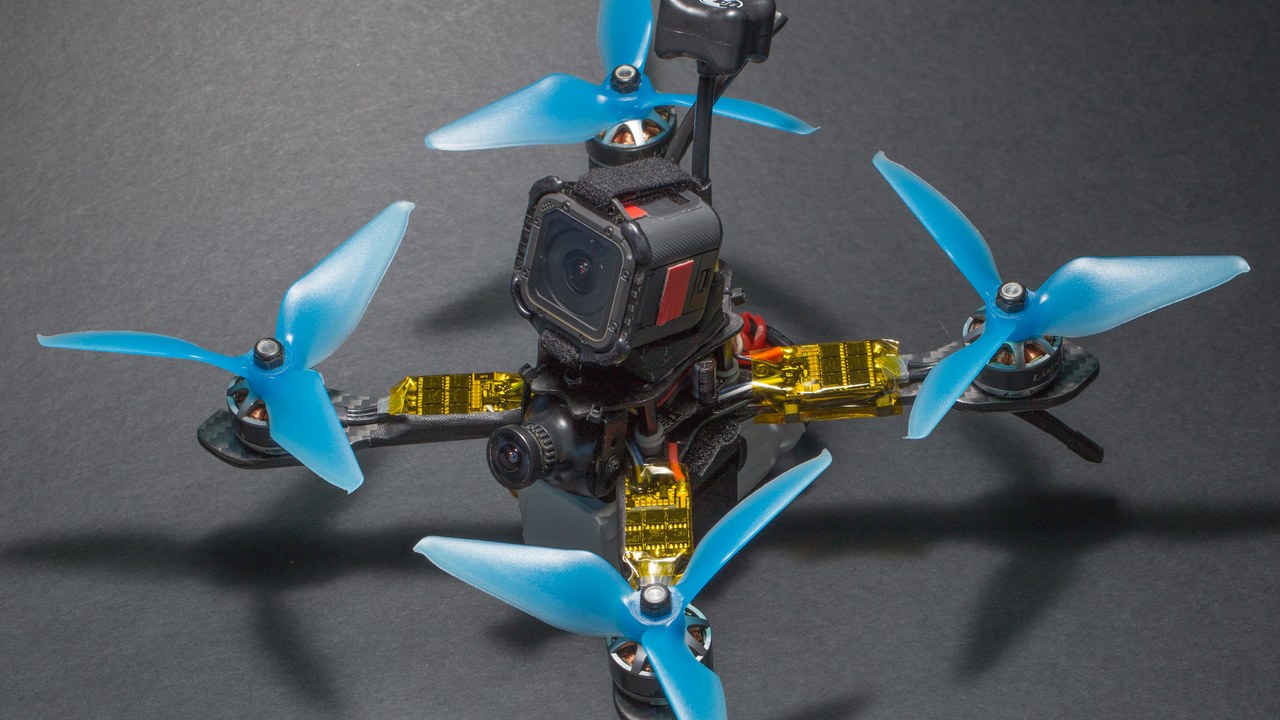
The threshold is written in terms of maximum take-off weight, not size, price or use. That places the hobby and small commercial class of unmanned aircraft, which weighs far less than 55 pounds in ordinary configurations, on the 25 percent side of the line, and the larger industrial and heavy-lift machines on the 100 percent side. Which specific tariff lines are actually covered is set out in annexes to the proclamation that are not reproduced in the body of the document, so the rate depends on the annex entry for a given product rather than on a general description of it.
The rates come from an investigation under section 232 of the Trade Expansion Act of 1962, codified at 19 U.S.C. 1862, into the effect of imports of unmanned aircraft systems and their parts and components on national security. The proclamation states the determination directly: a 100 percent ad valorem duty rate on aircraft with a maximum take-off weight of more than 25 kilograms and on certain other items identified in Annex I, and a 25 percent rate on aircraft weighing 25 kilograms or less as identified in Annex II.
One point of ordinary confusion is worth heading off. An ad valorem duty is charged on the declared import value of a good when it enters the country, and it is paid by the importer. It is not a tax added at a checkout counter, and the proclamation makes no statement about what any drone will sell for.
Free retirement updates: A quiet rule change can shrink your Social Security or Medicare check, and no one warns you. The free Retirement Shield newsletter catches these early and tells you what to do. Get it free.
What sits on the 100 percent side besides heavy aircraft
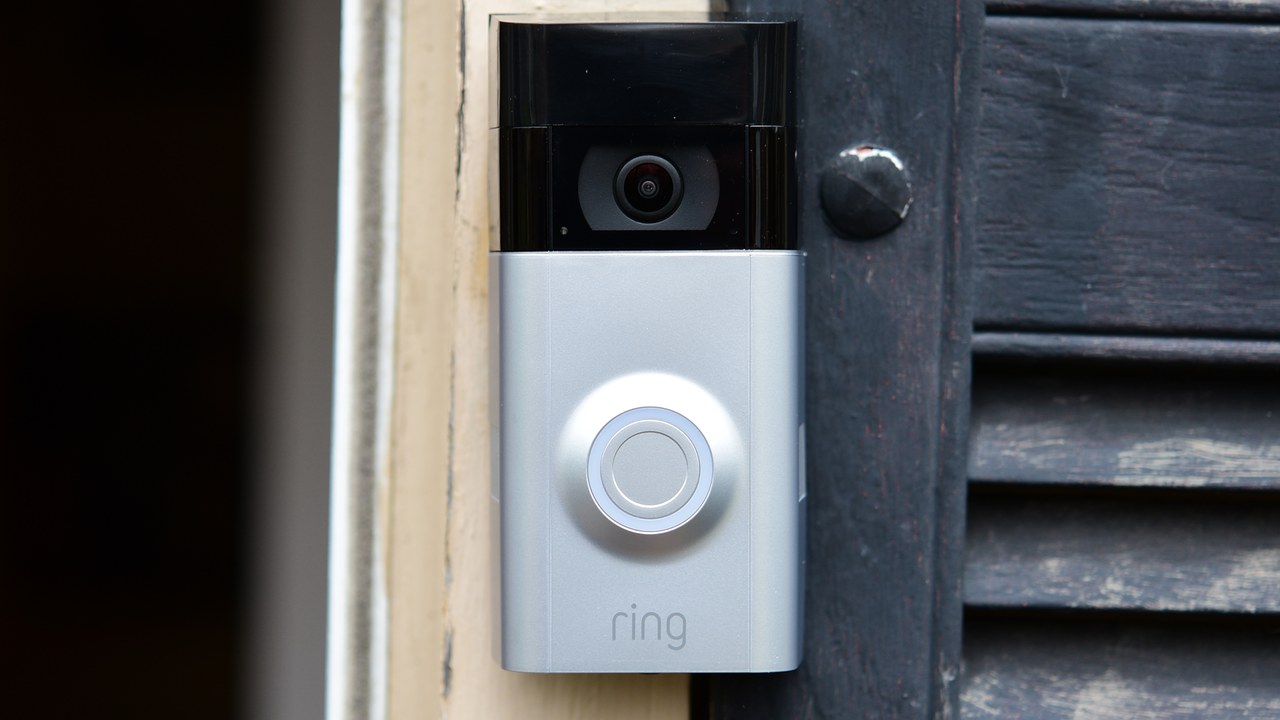
Weight is only one of the triggers for the higher rate. The 100 percent duty also reaches unmanned aircraft systems that integrate thermal imagers, docking stations, and certain components, all as identified in Annex I. A light aircraft with a thermal camera built into it is therefore treated differently from an otherwise identical one without, which is a design distinction rather than a size distinction.
The reasoning given for the higher rate on components is supply-chain dependence rather than the finished product. According to the proclamation, many U.S. commercial manufacturers that produce these aircraft domestically are highly dependent on foreign sources for critical components such as motors, electronic speed controllers, lithium-ion batteries and docking stations, which it describes as creating unacceptable national security vulnerabilities. A separate rationale concerns software: the document states that such products pose an information technology security risk because their software allows data to be sent back to the manufacturer in a foreign country, and that operators cannot control this data flow because it is integrated into the factory-installed operating system.
The proclamation frames the whole action in military terms, noting that these aircraft are a key technology in modern armed conflict and that low-cost systems have proven able to inflict significant damage on far more expensive weapons systems, facilities and infrastructure. It refers to the source of the risk only as certain foreign entities and does not name a country anywhere in the operative text.
Allied caps of 15 and 10 percent, certified by the importer
Two ceilings sit on top of the rate structure. For products of Japan, the Republic of Korea, Taiwan, Switzerland, Liechtenstein or a member nation of the European Union, the duty rate is to be no higher than 15 percent ad valorem, including any duty rate under Column 1 of the tariff schedule. For products of the United Kingdom, the ceiling is 10 percent.
Two details in that provision are easy to miss and both matter. The cap is inclusive of the existing Column 1 rate rather than stacked on top of it, so the ceiling describes the total. And the cap applies only if substantially all the critical components and technology are certified by importers to be products of the United States or of the listed allied jurisdictions. The certifying party is the importer, which places the compliance burden and the legal exposure on the company bringing the goods in, subject to the enforcement processes of U.S. Customs and Border Protection.
A vetted list of vendors does not face September 3
The carve-out is the part most likely to be lost in summary. Companies appearing on the Department of War’s Blue UAS Cleared List, the Blue UAS Framework, or the Federal Communications Commission’s Conditional Approval List as of September 2, 2026 do not face the September 3 date. For those covered products and their components, the effective date instead runs 180 days from the date of the proclamation, which places it at February 9, 2027.
That gives a vetted subset of vendors roughly five additional months before the duties attach. It also means the September 3 date cannot be applied as a blanket description of the market, since two different effective dates will be operating at once depending on which list a supplier appears on.
A second component tranche and the onshoring exception
February 9, 2027 carries a second event as well. An additional 25 percent duty on further components listed in Annex III takes effect that day, described in the document as 180 days from the date of the proclamation in order to incentivize production onshoring. The Department of Commerce may also add components on a rolling basis and must report to the President within 120 days.
There is a route around the duties for companies willing to build here. Commerce may accept onshoring plans from companies constructing or expanding U.S. facilities, and such a plan requires a commitment that construction will occur before January 20, 2029. Approved companies may import covered products for their supply chain without paying the section 232 duties while construction proceeds, subject to audit and to retroactive clawback by Customs and Border Protection in cases of fraud. The tariff schedule change itself is made by Annex IV, which modifies subchapter III of chapter 99 of the Harmonized Tariff Schedule, and the proclamation specifies that these duties apply in addition to any other duties, taxes, fees, exactions and charges.
This article was produced with AI assistance and reviewed by a human editor. Figures are linked to their primary sources; where a claim could not be verified from the public record, we say so.
More Financial Reading