Buying a $5 coffee should never cost you $40. Yet that is exactly what happens when a debit-card purchase you cannot fully cover triggers an overdraft fee that often runs about $35. Here is the part most people never learned: your bank is only allowed to charge that fee on an everyday debit or ATM transaction if you agreed to let it. Say no, and the same transaction is simply declined at the register at no cost. It is one of the clearest money protections on the books, and turning it on or off takes a single phone call.
The opt-in rule your bank does not advertise
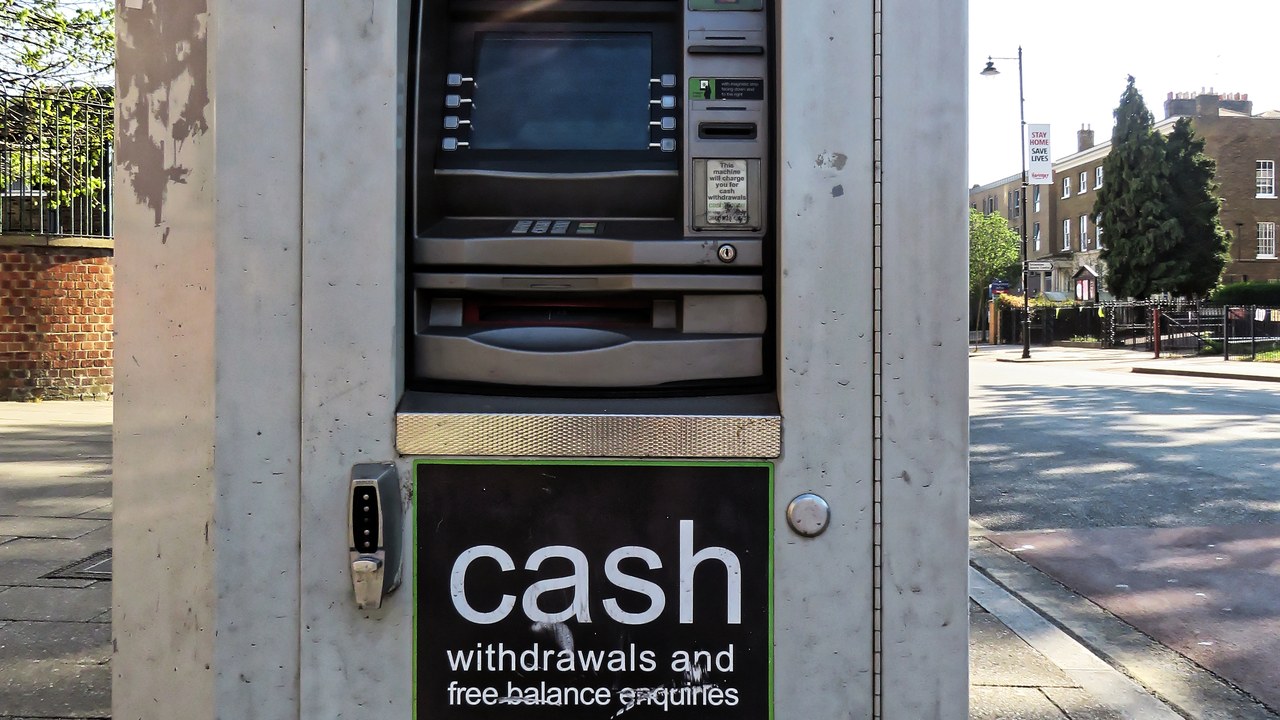
Under the federal rule known as Regulation E, a bank cannot charge you an overdraft fee on a one-time debit-card purchase or an ATM withdrawal unless you have affirmatively opted in to that coverage. The Consumer Financial Protection Bureau lays this out plainly in its explainer on overdrafts: coverage on everyday debit and ATM transactions is your choice, not the bank’s default. If you never opted in, the bank must decline a transaction that would overdraw your account instead of paying it and charging you a fee. If you did opt in, often by checking a box during account setup without much thought, you can revoke that consent at any time. The bank cannot penalize you for saying no, and the change generally takes effect quickly.
The trade-off is straightforward. With coverage off, a debit purchase or ATM withdrawal that would push you negative is declined and you pay nothing. With coverage on, the bank pays it and charges the fee. For most households, a declined coffee is far cheaper than a paid one plus $35.
Free retirement updates: Miss an enrollment or claim deadline and it may be gone. Our free Retirement Shield newsletter keeps readers ahead of the ones that matter. Get the free newsletter.
What the opt-out does not cover
It is worth being precise, because the protection has limits. The opt-in rule applies specifically to one-time debit-card purchases and ATM withdrawals. It does not automatically stop overdrafts on checks or on recurring automatic payments, such as a monthly utility bill or an insurance premium set to draft from your account. Those can still overdraw the account and generate a fee even if you have turned off debit-card coverage, because they are handled under different rules. So opting out is powerful for the everyday swipe-and-tap spending that trips people up most, but it is not a force field around every possible overdraft. Pairing the opt-out with a low-balance alert closes much of the remaining gap.
The fees add up faster than people think
Overdraft fees are not a rare accident for many households; they are a recurring drain. A single fee of about $35 is bad enough, but banks can charge more than one in a day when several transactions post against a low balance, and a bad week can stack up over $100 in fees on top of the money you were already short. Because the fee is a flat charge unrelated to the size of the transaction, the cost falls hardest on small purchases and on people living close to zero at the end of a pay cycle, which is precisely who can least afford it. Turning off the coverage removes that risk from the everyday spending where it does the most damage.
How to make the change today
You do not need a special reason or a waiting period. Call your bank’s customer service line, or log in to online or mobile banking and look under account settings for overdraft or debit-card coverage, and tell them you want to opt out of overdraft coverage on everyday debit and ATM transactions. Ask them to confirm the change in writing or by secure message so you have a record. While you are at it, set up a text or app alert for when your balance drops below a threshold you choose, so you get a warning before a transaction would overdraw. If you want a fuller picture of your options and rights before you call, the CFPB’s bank-account resources walk through how overdraft, declined transactions, and alerts fit together. A five-minute call can be the difference between a declined coffee and a $40 one.
If a fee sneaks through anyway
Even with coverage off, a fee can occasionally slip through, or you may find your bank charged one on a transaction you thought was protected. When that happens, ask for it back. Banks routinely reverse a fee for a customer who calls, is polite, and does not have a habit of overdrawing, and simply requesting a courtesy refund succeeds more often than people expect. If the bank refuses and you believe the fee violated the opt-in rule, because you never agreed to overdraft coverage on debit and ATM transactions, you can escalate. The Consumer Financial Protection Bureau accepts complaints about improper overdraft charges and forwards them to the bank for a response, and you can file one for free through its complaint system. Keep a record of when you opted out and the transactions in question, since documentation is what makes a complaint stick. Between turning off coverage on everyday debit and ATM spending, setting a low-balance alert, and pushing back on any fee that lands anyway, most households can drive their overdraft costs to zero, which on a fee that often runs about $35 a pop adds up quickly over a year.
This article was produced with AI assistance and reviewed by a human editor. Figures are linked to their primary sources; where a claim could not be verified from the public record, we say so.
More Financial Reading