For most of the past year the story on interest rates was that they were heading down, and savers were told to lock in yields before they fell. The picture has shifted. After cutting rates late in 2025, the Federal Reserve has held steady through 2026, and with inflation and oil prices climbing again, markets now see real odds that the Fed’s next move could be a rate hike in September rather than a cut. For anyone with cash sitting in a low-paying account, the takeaway is the same either way: the best certificates of deposit are still paying around 4.5%, and idle money is losing ground.
Where rates stand right now
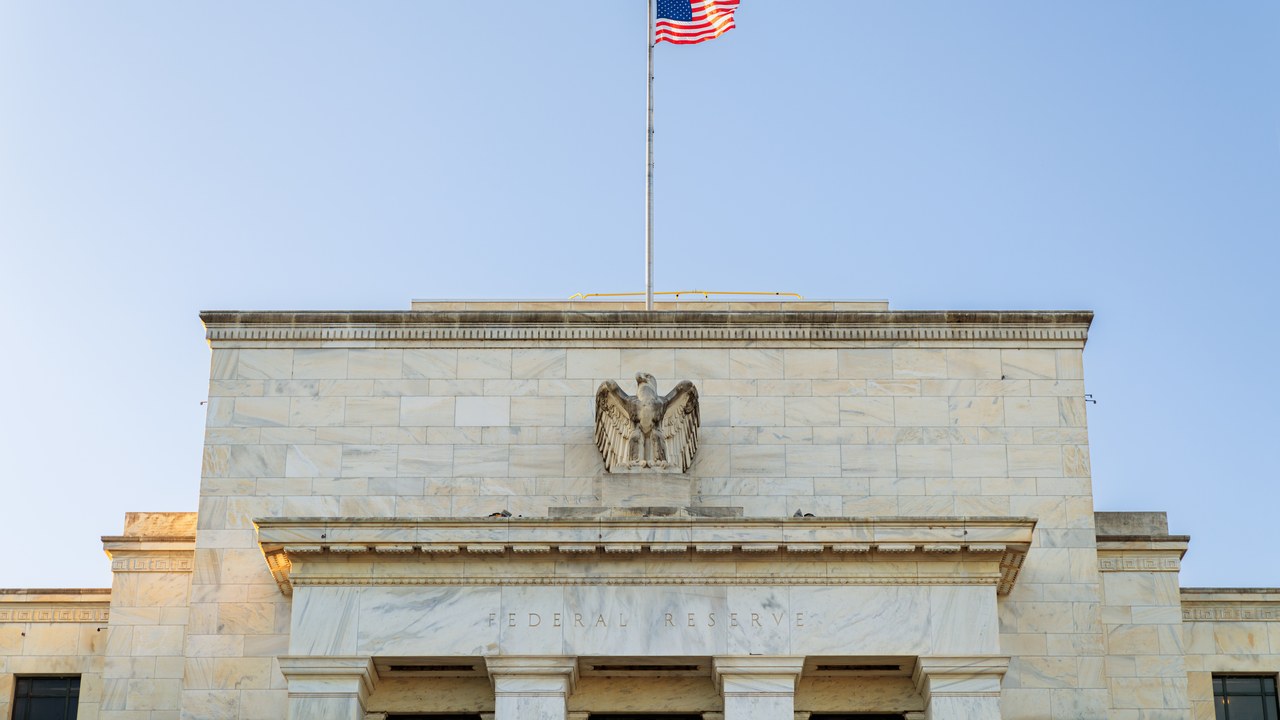
The Federal Reserve sets a benchmark rate that ripples through what banks pay on deposits. After trimming that rate in late 2025, the Fed left it unchanged through its meetings in the first part of 2026 as price pressures picked back up. That pause, combined with firmer inflation, has shifted market expectations toward the possibility of a hike at the September meeting, a reversal of the “cuts are coming” mood that dominated earlier. Nothing is decided; the Fed weighs fresh data at each meeting. But the direction of the debate has flipped from how fast rates will fall to whether they might rise.
For savers, the practical effect is that attractive yields have stuck around longer than many expected. Rate-tracking services such as Bankrate show top certificates of deposit paying up to roughly 4.50% as of August 2026, with the best high-yield savings accounts in the 4% to 5% range.
Free retirement updates: Want plain-English help keeping more of your money in retirement? The free Retirement Shield newsletter covers the benefits, deadlines, and money mistakes that cost retirees, a couple times a week. Subscribe free.
Why cash in a big-bank account is quietly losing
The catch is that these strong yields are not what most people are actually earning. The national average savings rate at traditional banks remains a fraction of 1%, so a large balance sitting in a standard account at a big bank is earning close to nothing while top accounts pay 4% or more. When inflation is running higher than the interest your cash earns, the buying power of that money shrinks a little every month. That is the real cost of leaving savings in a convenient but low-paying account: not a fee you can see, but ground lost to inflation.
Closing that gap does not require risk. Moving an emergency fund or idle cash from a near-zero account into a competitive high-yield savings account or CD can lift the yield from a rounding error to something that at least keeps pace with rising prices.
CD versus high-yield savings, if rates might rise
The choice between a CD and a high-yield savings account looks a little different when the next Fed move is uncertain. A CD locks in a fixed rate for a set term, which is great if rates fall but means you are stuck at today’s rate if they rise. A high-yield savings account pays a variable rate that can climb if the Fed hikes, but can also drop if it cuts. Neither is automatically right. If you want certainty and do not need the money for a while, a CD nails down about 4.5%. If you think rates could go up and you want flexibility, a high-yield savings account keeps you liquid and lets your yield rise with the market.
A common middle path is a CD ladder: split the money across CDs maturing at different times so some cash frees up regularly to reinvest at whatever rates prevail. That hedges your bet without trying to guess the Fed’s next step. If you go the CD route, check the early-withdrawal penalty before you commit, since pulling money out ahead of maturity can cost several months of interest, and keep enough in a liquid savings account that you are not forced to break a CD for an emergency.
What actually moves your money
You cannot control the Fed, but you can control where your cash sits. The difference between a near-zero big-bank account and a 4.5% account on a $20,000 balance is roughly $900 a year, real money for doing paperwork once. Whether the Fed’s next move is up or down, that gap exists today. Chasing the last tenth of a percent across banks is rarely worth the hassle, but leaving a large balance in an account paying almost nothing is the mistake to fix.
Steps for savers this month
Check what your current savings account actually pays; if it is well under 1%, that is your signal to move. Compare top high-yield savings accounts and CD rates from a reputable rate tracker, and make sure any bank you choose is FDIC insured. Decide based on your own need for the money: lock in a CD near 4.5% if you can leave it untouched, or use a high-yield savings account if you want the flexibility to benefit should rates rise. The Fed’s direction may be in flux, but the value of not letting your cash sit idle is not.
This article was produced with AI assistance and reviewed by a human editor. Figures are linked to their primary sources; where a claim could not be verified from the public record, we say so.
More Financial Reading