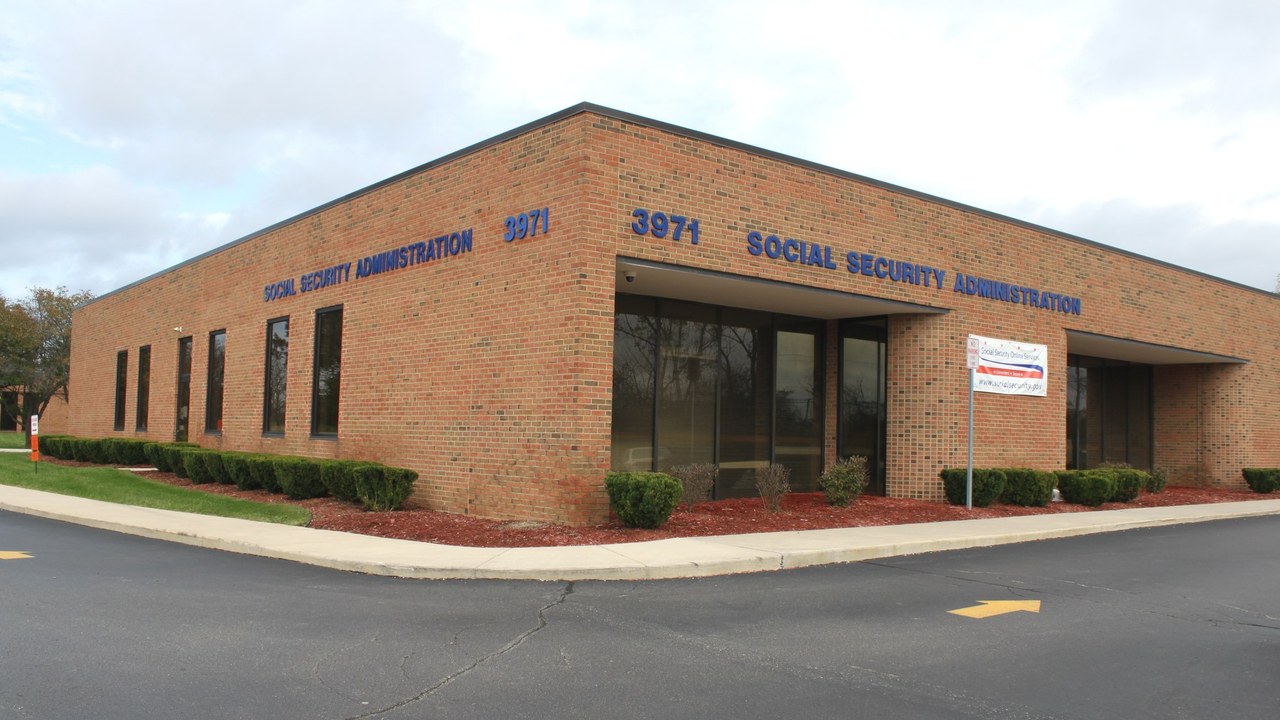
On a Friday afternoon in July, regulators closed a tiny savings and loan in Kentland, Indiana. One week later, state officials in Kansas shut down a one-office bank in Lenexa. In both towns, the people who kept checking and savings accounts at those banks lost nothing, waited out a single weekend, and started the next week as customers of a different bank without signing a single form. That quiet handoff is the deposit insurance system doing exactly what it was built to do, and July supplied two real-world answers for anyone wondering what a small community-bank failure would actually mean.
The Smallest Bank in America and a One-Office Bank in Kansas
The first closure was about as small as a bank failure can be. Kentland Federal Savings and Loan Association was closed by the Office of the Comptroller of the Currency on Friday, July 10, 2026, with the Federal Deposit Insurance Corporation appointed as receiver. According to the FDIC’s announcement of the sale, the thrift reported just $3.73 million in total assets and $3.65 million in total deposits as of March 31, 2026, and the agency described it as the smallest standalone bank in the United States. Kentland Bank, a separate institution in the same Indiana town, agreed to purchase substantially all of the assets and assume all of the deposits, and former customers had access to their money at Kentland Bank branches during normal business hours beginning Monday, July 13.
The second failure came seven days later and differed mainly in scale. Small Business Bank of Lenexa, Kansas, was closed on Friday, July 17, 2026, by the Kansas Office of the State Bank Commissioner, which said the bank had operated with financial difficulties for several years, had been under strict supervisory oversight, and had become critically undercapitalized after ongoing operating losses. Its single office reopened the following Monday, July 20, as a branch of The Farmers State Bank of Oakley, Kansas, which assumed the deposits.
Free retirement updates: Want plain-English help keeping more of your money in retirement? The free Retirement Shield newsletter covers scams, benefits, and money many retirees may be owed, a couple times a week. Subscribe free.
Why Nobody Had to Move Their Money
Both rescues used the same tool: a purchase-and-assumption deal, in which the FDIC, acting as receiver, sells the failed bank’s deposits and most of its assets to a healthy institution over the closing weekend. The FDIC’s Kentland release put the customer side of it plainly: depositors of the failed thrift “will automatically become depositors of Kentland Bank,” their deposits remain FDIC-insured, and there is “no need for customers to change their banking relationship.” Kansas regulators told Small Business Bank customers the same thing in nearly the same words, adding that insurance coverage continues “to applicable limits” without any action on the depositor’s part.
Notice everything that did not happen. Nobody filed a claim. Nobody stood in a line outside a locked branch. The failed banks’ customers did not choose their new bank, but they were not required to stay with it either; once the transfer settles, you are free to keep the new relationship or move your money anywhere you like, on your own schedule rather than a crisis schedule.
The $250,000 Backstop Behind a Friday-to-Monday Handoff
The reason regulators can close a bank at dinnertime on Friday and have its customers whole by Monday is the insurance standing behind every covered account. The FDIC’s deposit insurance FAQ lays out the standard: $250,000 of coverage per depositor, per insured bank, per ownership category, with the possibility of more when money sits in different ownership categories such as single accounts, joint accounts, and certain retirement accounts. When a failed bank finds a buyer, as both July banks did, insured customers automatically become customers of the acquiring institution. When no buyer appears, the FDIC says it historically pays depositors their insured balances within a few days of closing, usually the next business day. The agency also repeats a record it has kept since 1933: no depositor has lost a penny of FDIC-insured funds.
Checks, Debit Cards, and the Weekend In Between
The Kansas notice shows what the gap between Friday and Monday looks like from a kitchen table. State regulators told Small Business Bank depositors they could keep writing checks and using debit cards and ATMs that evening and through the weekend, that checks drawn on the failed bank would continue to be processed, and that loan customers should keep making payments as usual. In Kentland’s case, the FDIC said customers would have immediate access to their deposits at the acquiring bank’s branches when the doors opened Monday morning. In both towns, the practical instruction to depositors boiled down to two words: do nothing.
Four Failures in 2026, and Where to Verify the Next One
Events like these remain rare, which is partly why they unsettle people when they happen. Small Business Bank was the fourth FDIC-insured institution to fail in 2026, after Metropolitan Capital Bank & Trust in Chicago in January, Community Bank and Trust – West Georgia in May, and Kentland the week before. The FDIC records every closure on its public failed-bank list, with the closing date and the acquiring institution for each entry. That page, not a social media rumor or a forwarded text, is the reference to check if you ever hear that a bank has been closed. As of this writing, the FDIC’s list shows exactly those four entries for the year, each resolved the same way July’s were: deposits moved to a buyer, insurance intact, and customers carried across the weekend.
This article was produced with AI assistance and reviewed by a human editor. Figures are linked to their primary sources; where a claim could not be verified from the public record, we say so.
More Financial Reading