A federal guarantee that once reimbursed households after thieves drained their food assistance through cloned payment cards expired at the end of 2024, and nothing in Washington has replaced it since. For a family on the Supplemental Nutrition Assistance Program, that gap means a card skimmed at a corner store can wipe out a month of grocery money with no federal backstop standing behind it. Almost two years on, the shortfall created when that authority lapsed has only widened.
The Deadline That Wasn’t Extended
Congress built this guarantee at the end of 2022, letting state SNAP agencies draw on federal money to reimburse households whose benefits were drained through card skimming or card cloning. The protection was never permanent — it applied only to thefts inside a defined window, and lawmakers had to actively renew that window to keep it running. They renewed it once. They have not renewed it since.
The original authority, created under the Consolidated Appropriations Act, 2023, covered thefts between October 1, 2022, and September 30, 2024. A stopgap spending bill, the Continuing Appropriations and Extensions Act, 2025, pushed that cutoff to December 20, 2024, a change USDA explained to states in an October 2024 memo. Two months later, the agency sent a second memo confirming the sunset would take effect December 21, 2024. The next spending package, the American Relief Act, 2025, carried no provision restoring the authority, and the USDA Food and Nutrition Administration now states the fact directly on its own guidance page: the law “did not extend this authority for benefits stolen beyond December 20, 2024.”
Count forward from that date and the math lands on this month. December 20, 2024, to December 20, 2025, is twelve months. December 20, 2025, to September 20, 2026, adds nine more — twenty-one months with no renewed federal backstop. The USDA guidance page making that lapse official carries an update stamp of September 8, 2026, evidence the agency has had nothing new to report since.
While the guarantee was active, it was not unlimited. Replacement could not exceed the amount actually stolen or the household’s benefit allotment for the two months immediately before the theft, whichever was lower, and a state agency had to verify the claim under its own USDA-approved plan first. That ceiling was built around ordinary monthly grocery money — which is exactly the amount now left uncovered whenever a skimming theft happens outside the original window.
Free retirement updates: A quiet rule change can shrink your Social Security or Medicare check, and no one warns you. The free Retirement Shield newsletter catches these early and tells you what to do. Get it free.
How Skimmers Drain an EBT Account
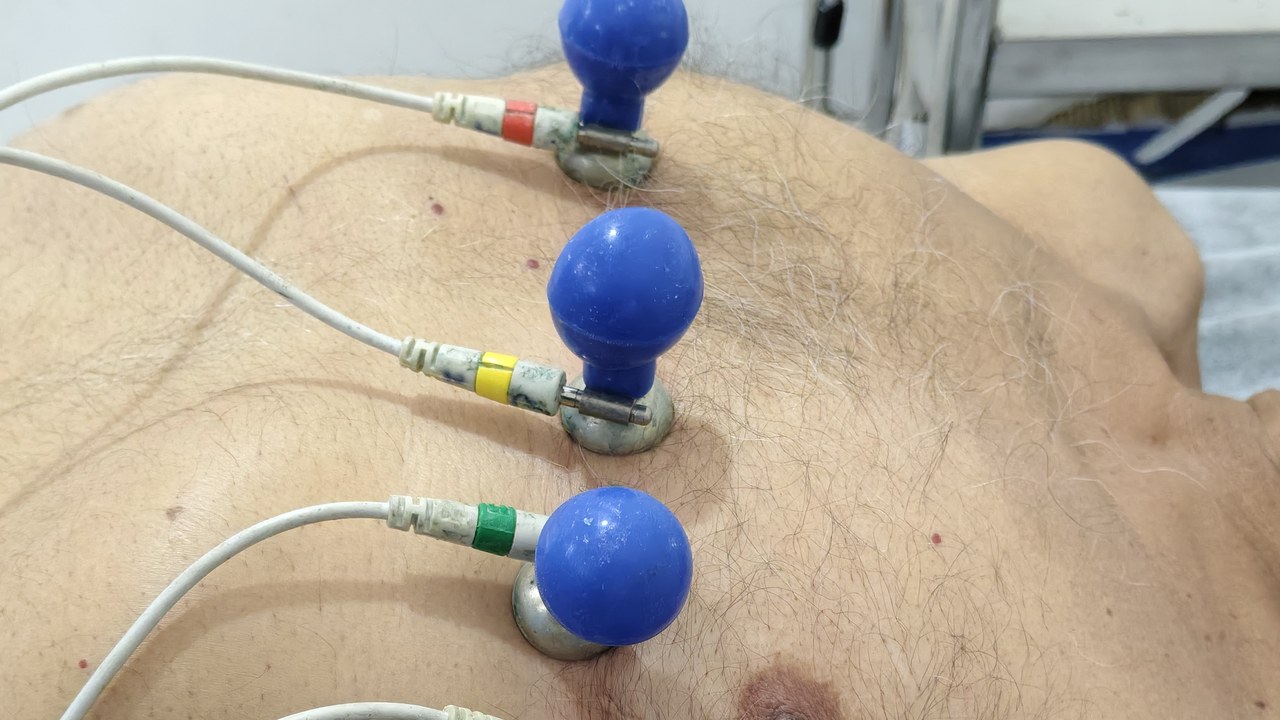
The theft itself is mechanical and often invisible until the balance is already gone. Thieves attach an illegal device to a retailer’s card-swipe machine or to an ATM to copy the data stored on an EBT card’s magnetic stripe, a method the FBI calls card skimming. The copied information lets criminals produce a cloned card, then spend the household’s food budget at any SNAP-authorized retailer before the account holder ever checks the balance. USDA has asked retailers to inspect point-of-sale equipment daily and install surveillance around registers, and it asks participants to avoid simple PIN codes, change them monthly ahead of the benefit issuance date, and check the EBT account regularly for purchases nobody in the household made. None of that changes the deeper problem: once federal replacement authority lapsed, prevention became the only real defense, because the reimbursement that used to follow a theft no longer exists. A skimmed retail terminal or ATM does not discriminate between a debit card and an EBT card; the same stripe, the same swipe, the same cloning equipment work on both. The difference is what happens afterward. Other federally regulated payment cards carry standing consumer-protection frameworks for disputing unauthorized charges. SNAP benefits, once the December 2024 cutoff passed, no longer carry any comparable federal mechanism at all.
State Agencies Now Hold the Only Lever Left
The state plans built under the 2022 law have not disappeared. They remain in effect, according to USDA, for claims tied to thefts that happened inside the original window, October 2022 through December 20, 2024, and agencies can still process those using federal money. Anything stolen since falls outside that authority entirely, and a state can choose to cover newer thefts out of its own budget instead — an option USDA’s stolen-benefits page acknowledges without requiring any state to take it, meaning the response to an identical skimming incident now depends on which state a household happens to live in.
The same 2022 law required states to start tracking how often card skimming happens and report the totals back to USDA, data the agency has posted on a public dashboard refreshed quarterly since 2023. That dashboard was built to track claims filed under the now-closed federal window, not whatever states have chosen to do on their own since December 2024, so it offers no way to see how large the uncovered gap has grown. A household that suspects its SNAP benefits were skimmed is still directed to its local SNAP office — the same contact point USDA lists for reporting the theft in the first place, and, twenty-one months after the federal guarantee expired, the closest thing to an answer that currently exists at the state level.
Benefits That Go Unclaimed Because Nobody Files For Them
The stolen-benefit gap is a case of money vanishing from a household that had already been approved for it. A separate shortfall runs through programs no household is ever enrolled in automatically: Extra Help toward Part D drug costs, LIHEAP energy assistance, and senior property-tax relief each require a separate application, and large numbers of older households that meet the thresholds never file one. Nothing in those systems flags an eligible household the way a skimming report reaches a SNAP office.
The Benefits Checklist is a 63-page guide covering 11 programs, with the 2026 income limits for each and a 50-state directory of the offices that handle them.
Read the 2026 income limits for all 11 programs in the Benefits Checklist.
This article was produced with AI assistance and reviewed by a human editor. Figures are linked to their primary sources; where a claim could not be verified from the public record, we say so.