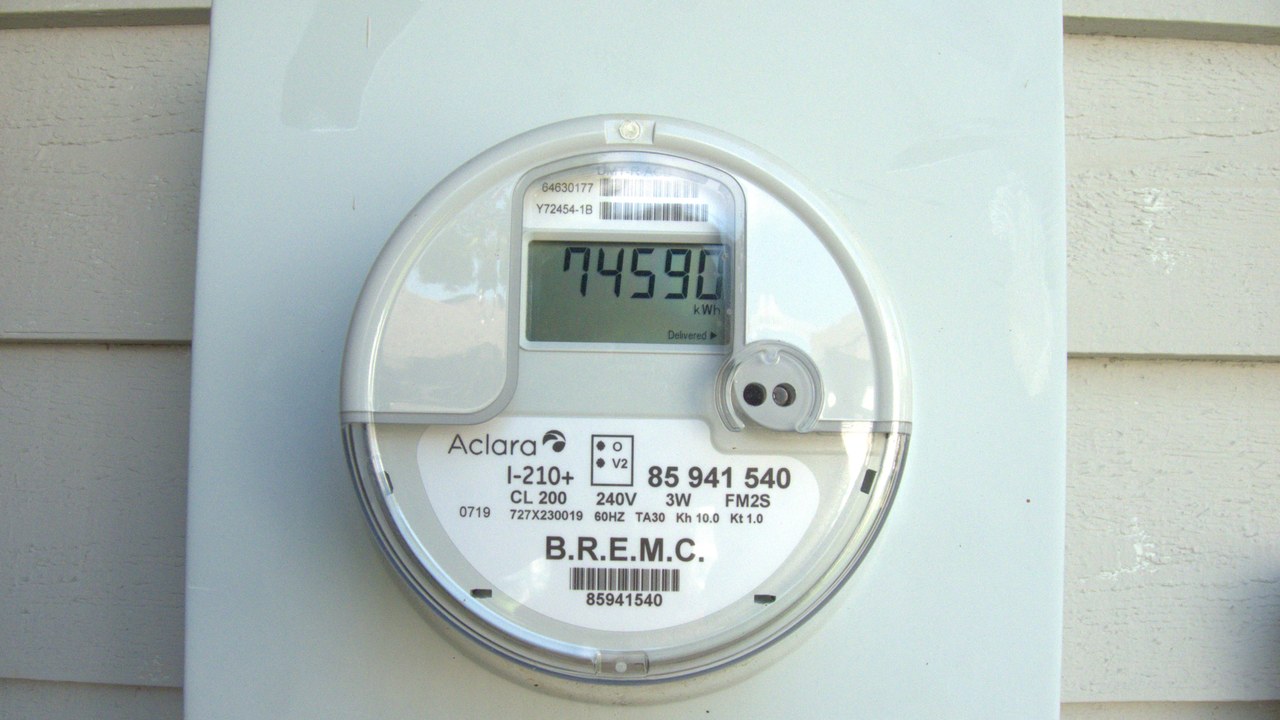
Arizona Public Service customers will see a smaller electric bill when the November statement arrives. The Arizona Corporation Commission voted to skip one monthly charge, and the savings average out to about $14.70 for a residential customer. The relief is short, because the same charge resumes on the next bill cycle.
Behind the headline sits a simple budgeting question for anyone on an APS account. Why is a November APS bill lower, and will December go back up? The Commission’s own release answers both halves, and the numbers are small enough that they are easy to spend without noticing.
Stay ahead of property tax and utility bill news: Miss an enrollment or claim deadline and the money can be gone. Join the Retirement Money Brief and we’ll send you our Property Tax & Utility Relief Finder as a welcome gift.
Get the Brief + the relief finder →
We may earn a commission from links on this page.
What the Arizona Corporation Commission approved
The five-member Commission voted unanimously at its October 8, 2026 open meeting to approve a credit for APS customers, according to the Commission’s news release. The proceeding is docket E-01345A-26-0401, and filings sit in the Commission’s eDocket system.
The release says “customers will not be billed the monthly REAC charge on their November 2026 statements.” REAC stands for the Renewable Energy Adjustment Charge, a line that appears on residential bills as an “Environmental Benefits Surcharge” of approximately $2.49.
The money comes from an uncommitted balance in the REAC fund, which the release puts at about $33.6 million. That fund balance is what pays for the skipped charge and the credit, rather than a new appropriation or a rate cut.
How the $14.70 average is built
The Commission describes the savings as about $14.70 on average for a residential customer, a one-time amount. The figure combines the bill credit with the skipped REAC charge, so it is a blend of two pieces rather than a single line labeled $14.70.
Because it is an average, individual bills will differ. Households that use more electricity and carry larger usage-based charges can see a different total from households that use very little. The Commission’s chairman described the relief as around $15 in the release.
The release describes no application, form or enrollment step. The credit shows up on the November electric statement as part of normal billing, so there is nothing to file and no deadline to meet. Anyone who wants to confirm it can compare the November statement against the October one.
Why the charge comes back on December 1
The skipped charge is a one-month pause, not a permanent reduction. The release says the REAC “will return to its previously approved rate on December 1, 2026,” which means the roughly $2.49 surcharge is expected to reappear on the bill that follows.
That timing matters for household budgets. A November bill that runs about $14.70 lighter than usual can make the month feel like a new baseline, and the December statement then lands back where it started. Anyone who spends the November difference on something recurring is likely to feel the gap when the surcharge returns.
Winter usage can widen that gap. Heating and cooling loads vary by home, and a lower November total does not change the rate APS charges per unit of electricity. Setting aside the November difference, or treating it as a one-month cushion, keeps the December bill from reading as a surprise increase.
Heating-season help available elsewhere
Arizona’s pause arrives as other states open their own winter programs, and the contrast shows how different a one-month credit is from ongoing aid. New York’s governor announced that regular Home Energy Assistance Program applications open November 2, with base benefits of $990 for oil, kerosene or propane heat. Most households already enrolled in SNAP or Public Assistance receive that benefit automatically.
Maine runs a similar program. MaineHousing’s HEAP page lists 2026-2027 applications running until funds are exhausted or May 29, 2027, with a one-person household limit of $38,070 in annual gross income. Arizona residents who want the Commission’s other consumer and docket information can start at the Arizona Corporation Commission site.
Those programs are tied to income, household size and fuel type, while the APS credit applies across residential accounts. For a household that expects a tight winter, the November credit is a small cushion, and ongoing help is a separate question handled by separate agencies.
Will the December 1 return of the APS charge catch the household budget off guard?
The November relief is one-time, and the REAC surcharge of roughly $2.49 returns December 1 at its previously approved rate. A household that treats the lighter November bill as permanent can end up short once the next statement arrives, and the credit does nothing about the other bills that keep rising.
The 101 Phone Scripts to Lower Your Bills gives 101 calls, word for word, for every company a household pays, including electric, gas and water payment plans and budget billing. It also covers credit cards and banks, with scripts for lower rates, fee refunds and no-fee accounts, and subscriptions and pharmacy, with scripts to cancel, pause, switch to generics and ask for cash prices.
Read the phone scripts for cutting the bills that stay put when the APS charge returns →
This article was produced with AI assistance and edited for accuracy against the sources linked above.