Starting January 1, 2027, a cryptocurrency kiosk in North Carolina must hold a newcomer’s order for 48 hours before any coins move. The rule comes from House Bill 920, the Virtual Currency Kiosk Consumer Protection Act, now Session Law 2026-45. The governor signed it on July 7, 2026, and the General Assembly’s bill page shows it chaptered the next day after a 115-0 House vote and a 49-0 Senate vote.
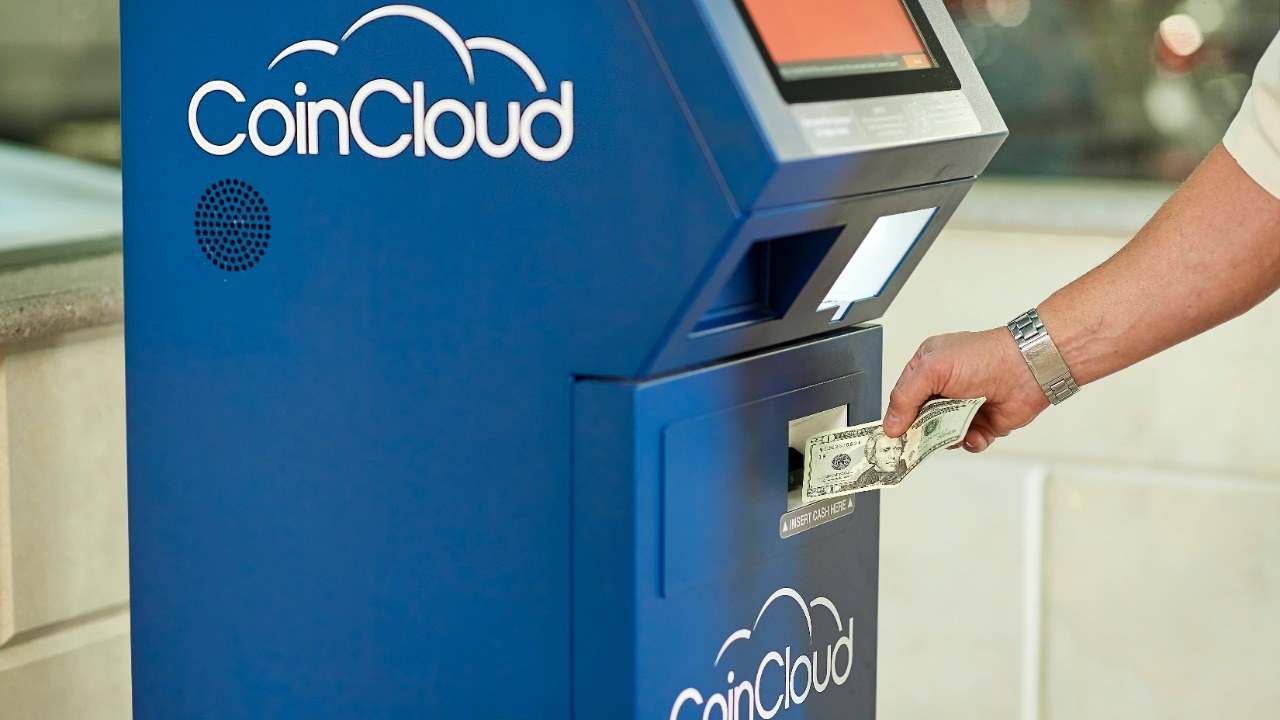
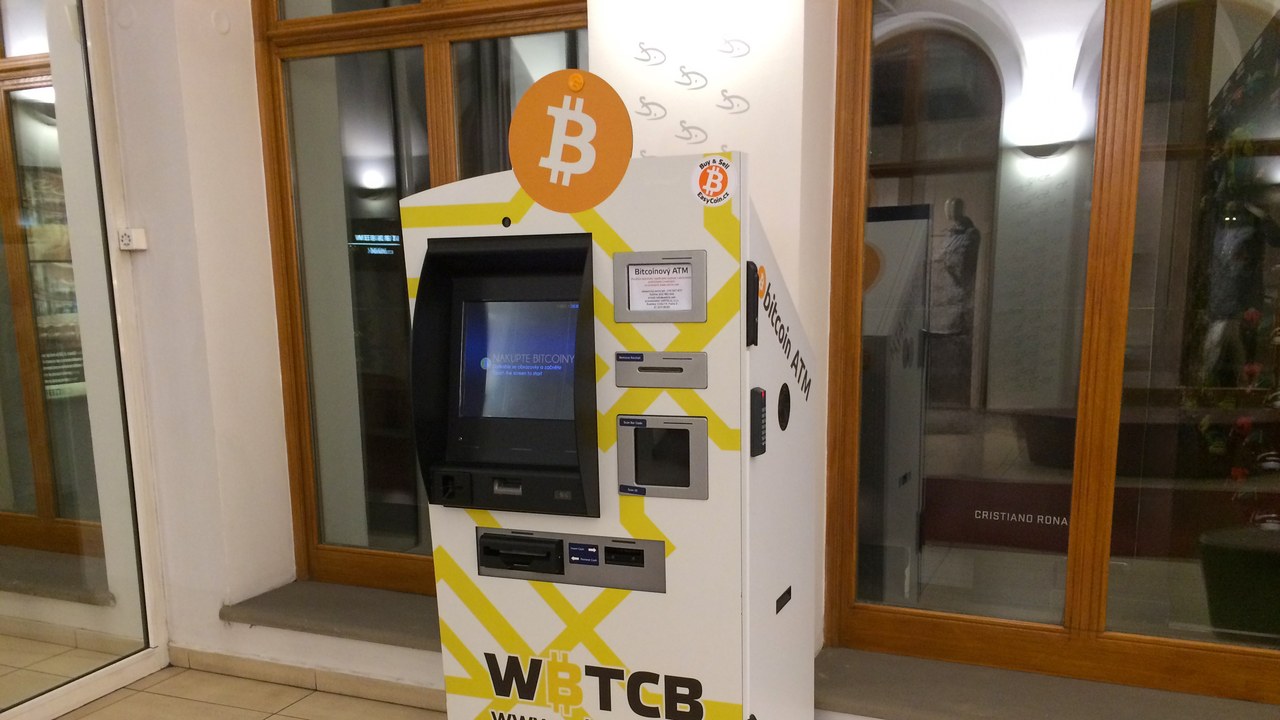
Kiosks, often called bitcoin ATMs, turn cash into cryptocurrency on the spot, and that speed is what scam callers count on. A victim is told to go to a machine, feed in bills and scan a wallet code, and the coins are out of reach within minutes. The new hold puts a two-day gap into that routine.
The practical question for North Carolinians is who gets held. The bill text says the hold covers all transactions initiated by a customer whose first transaction occurred within the past seven days. A retiree who has never used a kiosk and is told by a stranger to buy bitcoin today would wait 48 hours. A regular customer whose first transaction was more than a week earlier would not be held.
What changed this year: Social Security and Medicare change every year, and nobody sends you a memo. The Retirement Money Brief breaks down what changed and what to do. Bonus when you subscribe: our Scam & Identity-Theft Action Card.
Get the Brief and the scam action card →
We may earn a commission from links on this page.
What the machine must do during the wait
While the hold runs, the kiosk still has to accept and record the request. It may not send the virtual currency or make it available, and it must display a notice that the transaction will not complete until the hold expires. Operators cannot shorten the wait: the bill text bars early release “regardless of customer request, operator discretion, or automated system behavior.”
Every order gets its own hold, measured from the moment it was initiated. A second purchase made on day two of a newcomer’s first week therefore starts a fresh 48 hours instead of riding on the earlier one.
Why the window is seven days
Because the test looks at a customer’s first transaction, the hold follows a newcomer through the opening week. Someone who first used a kiosk on a Monday would see holds on every order until the following Monday. After that the hold stops applying, though other parts of the law, which deal with dollar limits and refunds, keep running.
The seven-day window is shorter than the 30-day definition of a new customer that the law uses elsewhere. The hold is aimed at the first days of kiosk use, when a person being coached by a scammer is most likely to be making a first visit.
The warnings that appear before the money goes in
The same article of the law tells operators what to show on screen before each transaction. A notice titled “Customer Notice. Please Read Carefully.” must say the transaction is “a final irreversible and nonrefundable transaction.” A dedicated screen then asks, “Does this fraud warning apply to you or your situation?”
That screen must stay non-interactive for at least 10 seconds, and customers cannot bypass it. Choosing “Yes” ends the transaction and disables the customer’s access identifier for at least 24 hours. The warnings, the 10-second pause and the 48-hour hold are three separate chances for a victim to stop.
Who enforces the hold
The Commissioner of Banks oversees the law. A violation counts as an unfair trade practice under North Carolina’s consumer protection statute, with civil penalties of up to $1,000 for a first offense and up to $5,000 for later ones. Facilitating or inducing a fraudulent kiosk transaction is a Class 1 misdemeanor, while owning or operating a kiosk is not a violation by itself.
Any company that owns, operates, markets or facilitates kiosks in the state is treated as engaged in money transmission and needs a license. The Commissioner must also adopt a procedure for deciding whether a transaction was fraudulent no later than January 1, 2027, the same day the hold starts.
Will two days be enough?
The bill text lists no exceptions to the 48-hour hold, and it does not ask the customer’s permission. What it cannot do is make a victim realize the call was a scam. The wait only helps if someone, a relative, a bank teller or a friend, hears about the order during those two days and asks a question. Whether that happens is the open question for North Carolina families once the law takes effect in 2027.
Worried a relative could be sent to a bitcoin kiosk after January 1?
A hold delays a transfer but does not expose a scam. A caller who has talked someone into starting a kiosk order still has two days to keep up the pressure, and the kiosk’s own warning calls a completed sale final and irreversible.
The Senior Fraud Defense & First-Hour Recovery Kit turns that waiting period into a plan. The North Carolina law covers kiosks in one state, so the turn here is from that rule to the pattern anywhere: the kit’s current scam playbooks, the first-hour recovery plan for the minutes after money leaves, and the free credit-freeze steps.
Get the first-hour recovery plan and free credit-freeze steps in the Senior Fraud Defense Kit →
More Financial Reading
- 21 Ways to Stretch a $2,087 Social Security Check
- 15 Places to Find Your Share of the $4.25 Billion States Give Back
- 15 Ways Retirees Are Tapping a Record $14.9 Trillion in Home Equity
This article was produced with AI assistance and edited for accuracy against the sources linked above.