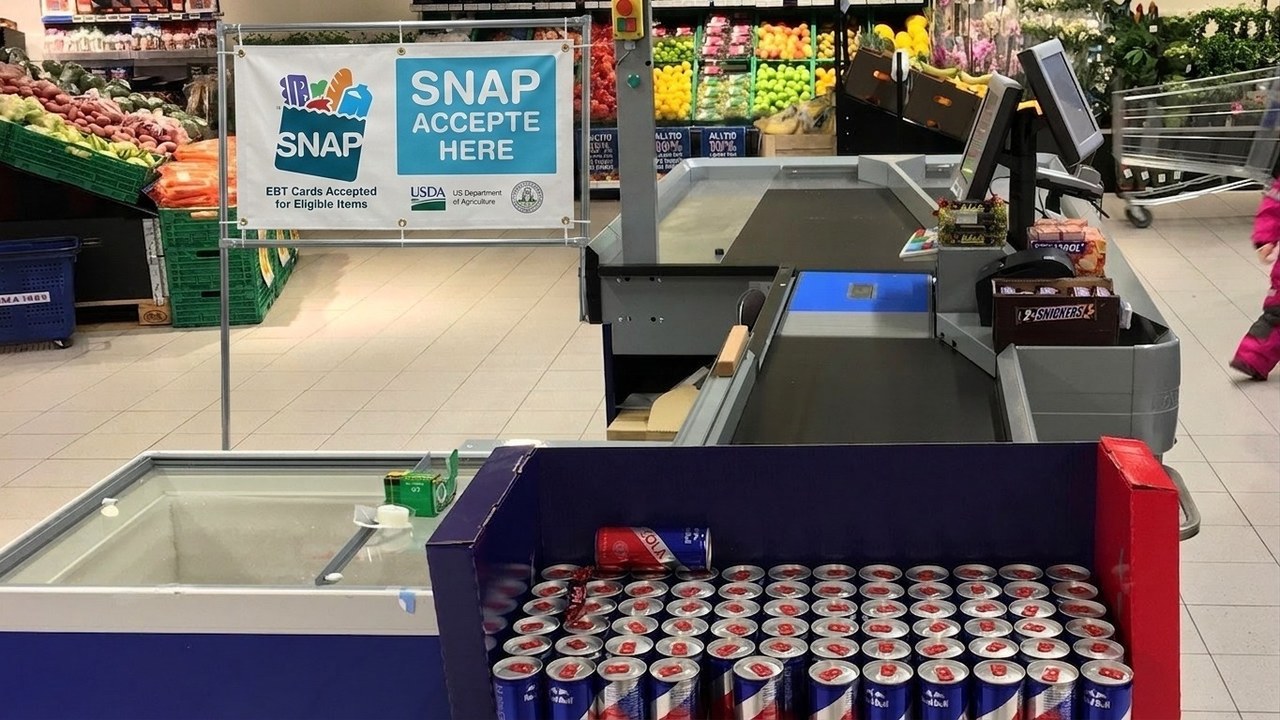
Eighteen state SNAP food restriction projects went out for public comment in a single day, and the window closes on October 15, 2026. The notices appeared in the Federal Register on September 15, long after several states had already begun turning away soda and candy at the checkout lane. For households on SNAP, the practical result is a patchwork: some states are enforcing a ban now, some start within weeks, and some are more than a year out.
Eighteen notices, one comment deadline
The Federal Register’s September 15, 2026 listing carries 18 separate notices from the Food and Nutrition Administration at USDA, one for each state project. The states are Arkansas, Florida, Hawaii, Idaho, Indiana, Kansas, Louisiana, Missouri, Montana, Nevada, North Dakota, Ohio, Oklahoma, South Carolina, Texas, Utah, Virginia and Wyoming. Every one of them gives the same deadline: written comments must be received on or before October 15, 2026.
The legal footing is section 17(b) of the Food and Nutrition Act of 2008, which lets the agency approve demonstration projects that test changes to SNAP. The Virginia notice puts the purpose plainly: it “invites the public to comment on the State of Virginia’s demonstration project,” and it records that the agency approved the state’s initial request on December 10, 2025. Several other notices record their own approval dates, among them Texas (August 4, 2025), Louisiana (August 4, 2025), Oklahoma (August 4, 2025), Idaho and Arkansas (June 10, 2025), Nevada (March 4, 2026), and Missouri, North Dakota and South Carolina (December 10, 2025). A few of the notices, including Montana, Utah and Wyoming, read as invitations to comment without stating an approval date in the text reviewed, so the safest description of the full set of 18 is state restriction projects at different stages, all open to comment on the same day.
Florida, Ohio and Virginia: the bans already running
Florida’s project has been in effect since April 20, 2026, according to its notice, and it keeps “soda, energy drinks, candy, and prepared desserts” out of SNAP purchases. The notice names Shiela Corley, the acting FNA administrator, as the contact for comments and lists the docket as FNA-2026-0299.
Ohio’s restriction took effect on October 1, 2026, three days before this article was written. Its notice excludes “sugar-sweetened beverages” and “fountain drinks,” and adds a line that frames what the comment period can and cannot do: the project “is implemented by the State, and FNA will carefully review the results of the project based on the State’s evaluation data.”
Virginia’s start date was also October 1, 2026, and its notice describes the excluded category as “sweetened beverages.” The comment window does not pause any of these three. The restrictions are live while the public is invited to weigh in.
The states that started before them
Florida’s April 20 start was not the first. Per the individual notices indexed on the Federal Register listing, Indiana and Utah each give an implementation date of January 1, 2026, and both describe an exclusion of soft drinks. Idaho and Oklahoma follow on February 15, 2026, and Louisiana on February 18, 2026. Texas started on April 1, 2026, which its notice pairs with a carve-out: sweetened drinks and candy are excluded, while “naturally sweetened beverages and medical grade electrolyte drinks” remain eligible.
That timeline is what the phrase “months after the first bans began” refers to. By the time the notices were published, the earliest projects had been running for about nine months.
Start dates still ahead, from August to 2028
Some projects sit just behind the three already live. Per the same notices, Arkansas is set for July 1, 2026, South Carolina for August 31, North Dakota for September 1 and Montana for September 30, all in 2026, so households in those states are at or past their start dates. Further out, Missouri and Kansas list February 15, 2027, Wyoming February 1, 2027 and Hawaii April 1, 2027. Nevada’s notice carries a requested implementation date of February 1, 2028, and proposes to exclude “candy” and “sugar sweetened beverages.”
The restricted items differ from state to state: Arkansas lists soda, low and no-calorie soda, fruit and vegetable drinks with less than 50 percent natural juice and candy, while Louisiana lists soft drinks, energy drinks and candy and Idaho lists soda and candy. A household that moves across a state line, or a shopper who lives near a border, can face a different list of ineligible items on the same trip.
How the public comments go in
The Florida notice directs commenters to the federal eRulemaking portal at regulations.gov and tells them to follow the online instructions. Each state’s notice has its own docket, so a comment about one state’s project does not count for another’s. The notices also give an email address, [email protected], for Corley’s office, with a subject line naming the state, such as “FL SNAP Demonstration Project” or “OH SNAP Demonstration Project.” Comments become part of the public record.
Submitting a comment is optional and costs nothing. Nothing in the notices ties a household’s SNAP benefit amount or recertification date to whether a comment is filed. What the notices do establish is the calendar: 18 projects, one deadline on October 15, 2026, and a spread of start dates running from January 2026 to February 2028.
The most reliable record of which state is enforcing what, and from when, is the Federal Register notice for that state, dated September 15, 2026, where the implementation date and the excluded foods are written out in the agency’s own words.
Tracking SNAP paperwork while the purchase rules change
The September 15 notices leave households with a moving target: restrictions that began in Florida on April 20, began in Ohio and Virginia on October 1, and start in other states as late as 2028, each with a different list of excluded drinks and sweets. The purchase rules are one thing to keep straight, and the recertification and reporting dates that govern whether a household’s SNAP benefits continue at all are another, and those vary by state too.
The SNAP & Medicaid Renewal Organizer is a 13-page organizer with 51 state packs, a renewal document checklist and a renewal and reporting calendar for keeping a household’s own SNAP dates in one place.
Open the SNAP & Medicaid Renewal Organizer for your state’s dates →
This piece was drafted with AI assistance; the dates and restrictions were checked against the September 15, 2026 Federal Register notices from USDA’s Food and Nutrition Administration.