Most of the news about power bills runs one direction: up. So a genuine refund is worth paying attention to, and roughly two million Duke Energy Florida customers are getting one this summer. State regulators ordered the utility to return about $90 million it collected but did not need, and the money is arriving automatically as a lower charge on the bill rather than as a check anyone has to chase.
Where the $90 million came from
The refund traces back to the 2024 hurricane season. To pay for restoring power after Hurricanes Debby, Helene, and Milton, Duke Energy Florida was allowed to bill customers a temporary storm-restoration charge based on estimated costs. When the final numbers came in, the utility had collected about $1.006 billion but spent roughly $915.3 million on the actual work, leaving an over-collection of about $90.5 million. The Florida Public Service Commission, the state’s utility regulator, ordered that surplus returned to the people who paid it. Because the charge was set before the true cost of the cleanup was known, a gap in either direction was always possible, and this time it fell in customers’ favor.
Free retirement updates: Want plain-English help keeping more of your money in retirement? The free Retirement Shield newsletter covers scams, benefits, and money many retirees may be owed, a couple times a week. Subscribe free.
How the money reaches your bill and how much to expect
Rather than mailing refunds, the commission approved a temporary reduction in the fuel portion of the bill, spread across the June through September 2026 billing cycles. That works out to roughly $5.62 a month for a typical residential customer using about 1,000 kilowatt-hours, according to reporting on the commission’s order. It is a modest amount per household, but it is automatic, it requires no application, and it reaches essentially every residential account, which is how a few dollars a month adds up to about $90 million across two million customers.
Why a small credit still deserves a household’s attention
Nobody is going to reshape a budget around five or six dollars a month, and it helps to be honest about that. The reason the refund matters is the mechanism behind it, not the size of the credit. Utilities routinely collect surcharges based on forecasts, and those forecasts are reconciled later against what the work actually cost. When the reconciliation shows customers overpaid, the money is supposed to come back, and a state commission ordering it is the system working the way it is designed to. For a household on a fixed income during the highest-usage months of the year, even a small summer credit lands at a useful time.
How to actually see the refund on your statement
Because the credit arrives as a lower charge rather than a separate line labeled “refund,” the only reliable way to see it is to compare a summer bill against a typical one. A monthly electric statement bundles several pieces, including base charges, fuel costs, and, after major storms, temporary restoration charges, and each can move on its own. A customer who reads only the bottom-line total will not notice the reduction at all. Keeping a couple of recent statements makes the comparison easy and makes any future surcharge or credit far simpler to spot.
The scam to watch for while refunds are in the news
Any time a utility refund makes headlines, impostors follow. Because this credit is delivered automatically through the fuel charge, it needs nothing from you: no verification call, no fee, no account number handed over to a stranger. Treat any call, text, or email claiming you must confirm details or pay something to receive a Duke Energy refund as fraud, and hang up. If you want to confirm the details for your own account, the utility’s published rate information and the Public Service Commission’s own decisions are the authoritative sources, not a message that arrives out of the blue. The refund exists because the regulator ordered a true-up, and that order, not an unsolicited contact, is the reason the credit shows up at all.
How the credit shows up in the numbers
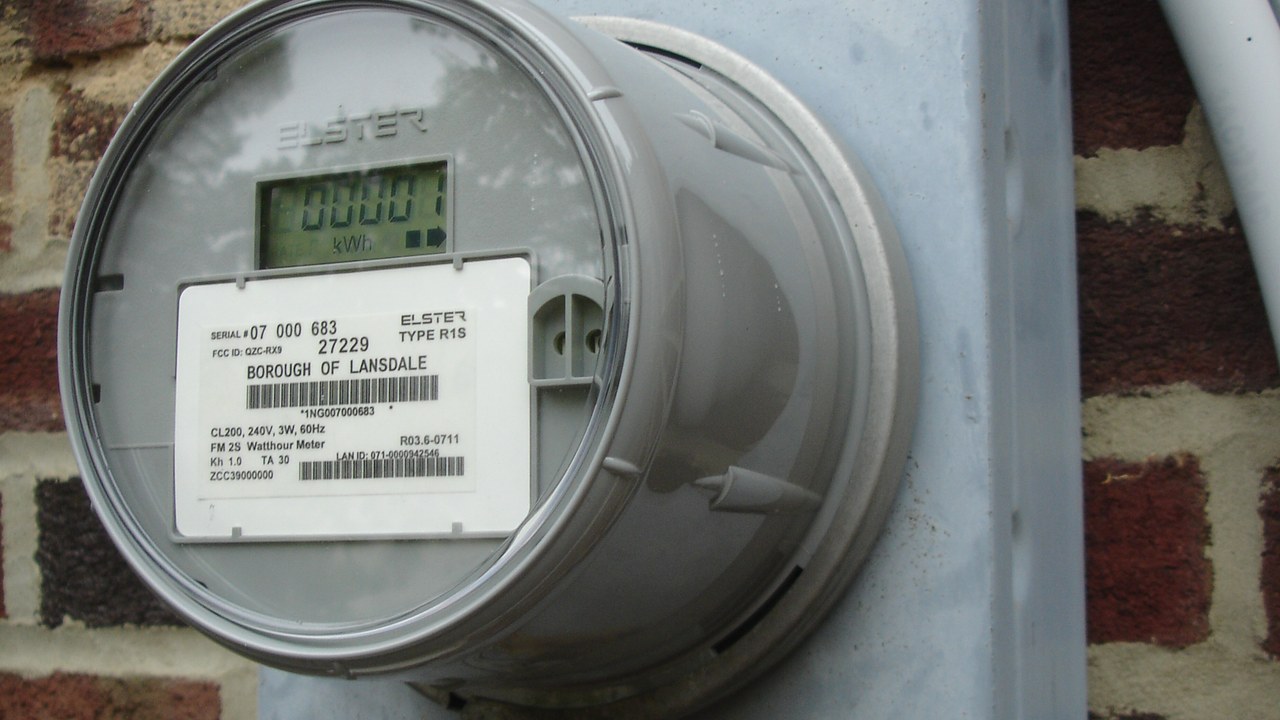
For customers who want to verify the reduction themselves, the mechanics are concrete. The commission’s order lowers the fuel portion of the bill by about 0.562 cents per kilowatt-hour, trimming the residential fuel rate from roughly 4.414 cents to about 3.852 cents for the affected months. For a household using around 1,000 kilowatt-hours, that is where the roughly $5.62 a month figure comes from. Because the change is in the fuel charge rather than a separate refund line, it blends into the total, which is why comparing the per-kilowatt-hour rate on a summer bill against an earlier one is the clearest way to confirm you are getting it.
It also helps to remember what the refund is not. This is a one-time true-up tied to past storm costs, not a permanent rate cut, so the fuel charge returns to its normal level once the credit period ends in the fall. Separately, storm-restoration charges themselves are set to recover documented cleanup costs and are reconciled after the fact, which is the same process that produced this surplus. The Florida Public Service Commission’s own order is the authoritative record of the amount, the timing, and the per-customer math.
This article was produced with AI assistance and reviewed by a human editor. Figures are linked to their primary sources; where a claim could not be verified from the public record, we say so.
More Financial Reading