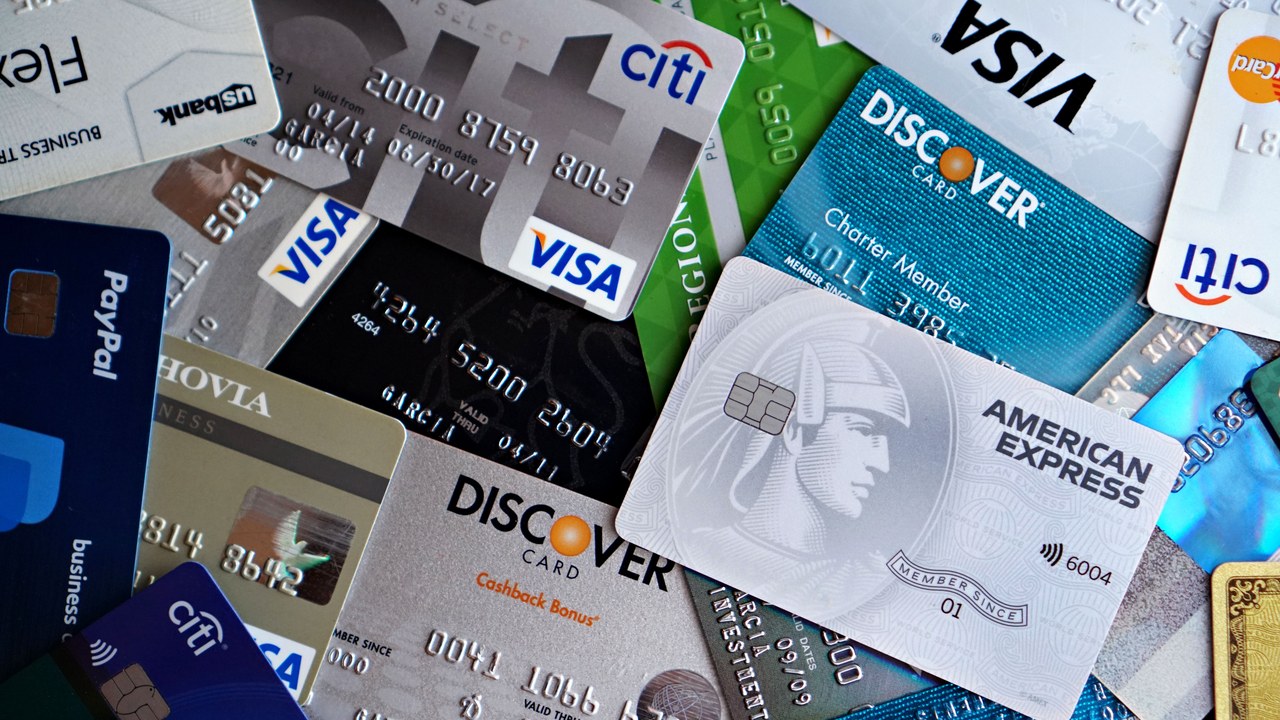
A credit card company can raise a promotional interest rate only after the promotion has lasted six months or longer, federal rules say. The company also has to have told the cardholder in writing, before the promotion began, how long it would last and what rate would follow. A promotion shorter than six months does not give the issuer that room.
The rule is in Regulation Z, section 1026.55, which the Consumer Financial Protection Bureau publishes online. Anyone holding a card with a low introductory rate on purchases or a transferred balance should find the end date in the original offer, because that date is the earliest the higher rate can legally start on those balances.
Retirement deadlines, in your inbox: Miss an enrollment or claim deadline and the money can be gone. Join the Retirement Money Brief and we’ll send you our Bank, Debt & Protected-Benefit Checkup as a welcome gift.
Get the Brief + the bank checkup →
We may earn a commission from links on this page.
The general ban and the six-month exception
The starting point is a ban. Under section 1026.55, a card issuer generally cannot raise the annual percentage rate on a credit card account that is not secured by a home. The bureau’s commentary says that holds even when the conditions for an increase were disclosed ahead of time, unless one of the listed exceptions applies.
The first exception covers temporary rates. An issuer may raise the rate when a specified period of six months or longer expires, but it has to disclose the length of that period and the rate that follows in writing beforehand. The commentary adds that increases tied to a contingency or left to the issuer’s discretion do not count as a temporary rate.
Two limits protect balances already on the card. Transactions made before the higher rate takes effect cannot be charged more than the prior rate, and purchases made within 14 days after the issuer sends a rate-change notice are generally held to the prior rate as well.
Dates from the bureau’s examples
The commentary works through several calendars. In one, a card carries 5 percent on purchases made January through June, then 15 percent. A $500 purchase on February 15 and a $200 purchase on June 15 can both move to 15 percent on July 1.
In another, a card offers 0 percent on purchases in November and December, then 17 percent. Purchases of $500 on November 15 and $300 on December 15 can move to 17 percent only on May 1 of the following year. A $150 purchase made January 15 of that year can be charged 17 percent right away, because the promotion no longer covers it.
A third example uses a $5,000 appliance bought September 1 at 0 percent, with 18 percent after the promotion. The 18 percent rate can apply starting March 1 of the next year, six months after the purchase. Taken together, the cases show that the end date depends on when each purchase was made and on the promotion period the issuer disclosed.
What else lets an issuer raise the rate
The temporary-rate rule is one of four exceptions in the section, and an issuer may use any one that fits. A variable rate tied to a public index outside the issuer’s control can rise when the index rises, though the issuer cannot raise the margin or change how the rate is calculated.
An increase is also allowed after advance notice, but not during the first year after the account opens. The CFPB’s consumer page on changes to account terms says notice of significant changes must come 45 days in advance, and that cardholders can often reject the new terms. The issuer may then close the account, and the balance still has to be paid.
Each exception has its own conditions, and the bureau’s commentary says an issuer may rely on any one that applies even if another would not allow the increase. For a cardholder, that means a promotional-rate question can have more than one answer, depending on which exception the issuer cites in its notice.
The last exception is a late payment. An issuer can raise the rate if it has not received the required minimum payment within 60 days of the due date and sends the proper notice. If it then receives six consecutive on-time minimum payments, it must reduce the increased rate.
Cardholders who plan to pay off a promotional balance should work backward from the end date. The balance that carries the low rate has to be cleared before that date, or the remainder starts accruing at the rate named in the original offer. Writing the end date down next to the balance, and checking it against the offer, is the simplest way to see how much time is left.
Checking an offer and raising a problem
The written offer is the document that controls. It should state how long the rate lasts and what rate comes after, and the first statement after the end date should show the new rate on the balances it covers. A cardholder who sees a higher rate before the stated end date, or on a promotion that ran fewer than six months, has a reason to question the issuer.
Anyone who gets no satisfactory answer can file on the CFPB complaint page. The bureau says most companies respond within 15 days, and some give a final response within 60 days. It asks for the most important dates, amounts and statements, up to 50 pages of documents.
When does the promotional rate on this card end?
The danger with a promotional rate is the quiet end date. A balance moved at a low rate can start costing much more once the period closes, and the offer letter that named the date is often long gone by then.
The Bank Account & Debt Protection Kit is a 75-page guide that includes the debt-validation steps, plus a debt inventory, call log and deadline tracker. It gives a place to list each card balance, its rate and its end date, and to log every call with the issuer.
Get the promo-rate deadline tracker and debt inventory →
This article was produced with AI assistance and edited for accuracy against the sources linked above.