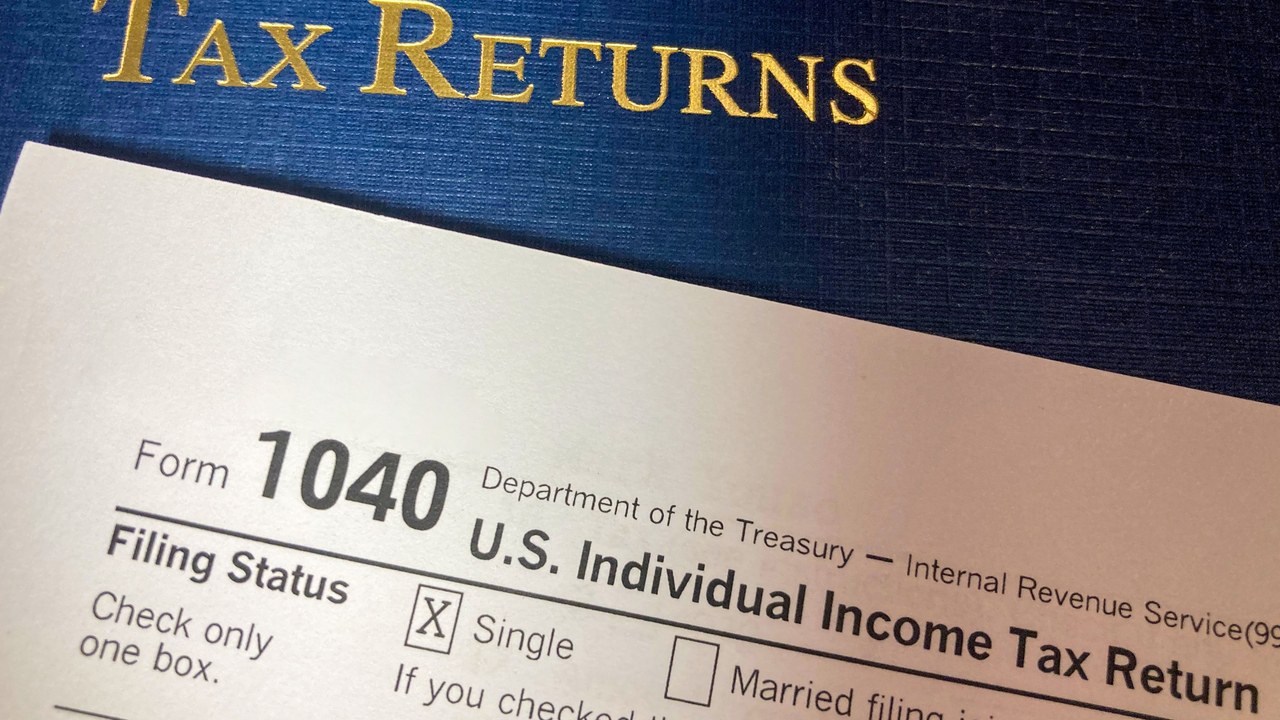
The IRS has started sending automatic refunds to families who claimed the Adoption Tax Credit in earlier years and carried part of it forward. The agency says it has already issued refunds to more than 50,000 taxpayers and expects most of the rest to be finished by the end of 2026. The refund can reach up to $5,000 per qualifying child, and the IRS says no amended return is needed.
Which old carryforwards are being paid
The adoption credit is not always used up in the year a family claims it. When the tax bill is too small to absorb the whole credit, the leftover amount can be carried forward to later years. For tax year 2025 only, the IRS says carryforwards from 2020 through 2024 can raise the refundable part of the credit, up to $5,000 per qualifying child.
The change rests on a Treasury interpretation of the Working Families Tax Cuts law, according to IRS release IR-2026-123, dated Oct. 16, 2026. The release gives no total dollar figure for the payments. It states only the per-child limit and the count of taxpayers paid so far.
The credit is claimed on Form 8839, Qualified Adoption Expenses, which is attached to the tax return. The IRS credit page says eligible children are listed in Part I of that form. Families that still have their old Form 8839 can see which years carried a leftover amount forward, and that is the quickest way to tell whether a 2020 through 2024 carryforward exists.
Is a refund coming to this household?
The refunds go to people who claimed an adoption credit carryforward on a prior-year return, not to every adoptive family. A household that adopted a child, filed Form 8839 with its return and carried part of the credit into a later year is the target. A family that used the whole credit in one year, or never claimed it, is not on the list.
For those who fit, the IRS says action is generally not needed. The agency says taxpayers should not need to file an amended return to receive the additional credit. The release says taxpayers who filed their 2025 return before April 15, 2026, will generally get the adjustment automatically, and the IRS began issuing refunds and adjustments in late September.
Retirement deadlines, in your inbox: Miss an enrollment or claim deadline and the money can be gone. Join the Retirement Money Brief and we’ll send you our IRS Refund Delay Tracker as a welcome gift.
Get the Brief + the refund tracker →
We may earn a commission from links on this page.
What the IRS notice will say
Taxpayers who get an adjustment will receive an IRS notice, generally within 30 days of the adjustment. Each notice states the amount and whether it produced a refund or was applied to another debt. The IRS tells people to read the notice, compare it with their 2025 return and keep it with their tax records.
That second possibility matters. The release says an adjustment may be applied toward another tax debt or a non-tax debt instead of being paid out as a refund. A family that owes back taxes or an overdue obligation may see a notice with an amount on it and no payment in the bank account.
The release does not say whether the refunds go out by direct deposit or by check. It does point taxpayers to an IRS Individual Online Account, where records, refund status and notices can be viewed and payments made. The IRS also keeps a page on the credit at IRS.gov/AdoptionCredit, last updated Oct. 19, 2026.
Who will be paid later
Not everyone is in the first wave. Taxpayers who filed their 2025 return under an extension will be reviewed later in 2026, after the return is processed. So will those whose accounts show identity theft indicators, freezes, dependency conflicts or other issues. In those cases the IRS says it will look at the account once the return is processed or the problem is resolved.
That timing leaves a gap for families who are waiting. The IRS expects most eligible refunds to be complete by the end of the year, which is about two months away. A family that has not seen a notice by then has a reason to check the online account before assuming nothing is coming. The notice, not the bank balance, is the first sign the IRS has acted on the account, so mail from the agency over the next 30 days is worth opening promptly.
A different group should read the IRS credit page closely. It says taxpayers who claimed an incorrect credit amount should file an amended return, and that amended returns generally take 8 to 12 weeks to process. The page also tells families to keep the adoption documentation for their records. IRS chief executive Frank J. Bisignano said in the release, “This administrative change will help families access the tax benefits they are entitled to” as quickly as possible.
The IRS lists its latest announcements on the agency newsroom, where the adoption credit release sits among the October items. For families holding an old carryforward, the open question is whether the notice, and the money behind it, shows up before the year ends.
Refund the IRS says it sent but you never saw?
An automatic refund can fail quietly. The IRS says an adjustment can be applied to another debt, and families that filed on extension or have an account issue wait longer than the rest.
The IRS Refund Recovery Kit is a 20-page guide that includes a notice decoder for reading letters like the one this release describes, a refund status tracker spreadsheet, and the steps for tracing a refund that was sent but never arrived, including Form 3911.
Get the notice decoder and refund tracker for an adoption-credit refund →
This article was produced with AI assistance and edited for accuracy against the sources linked above.