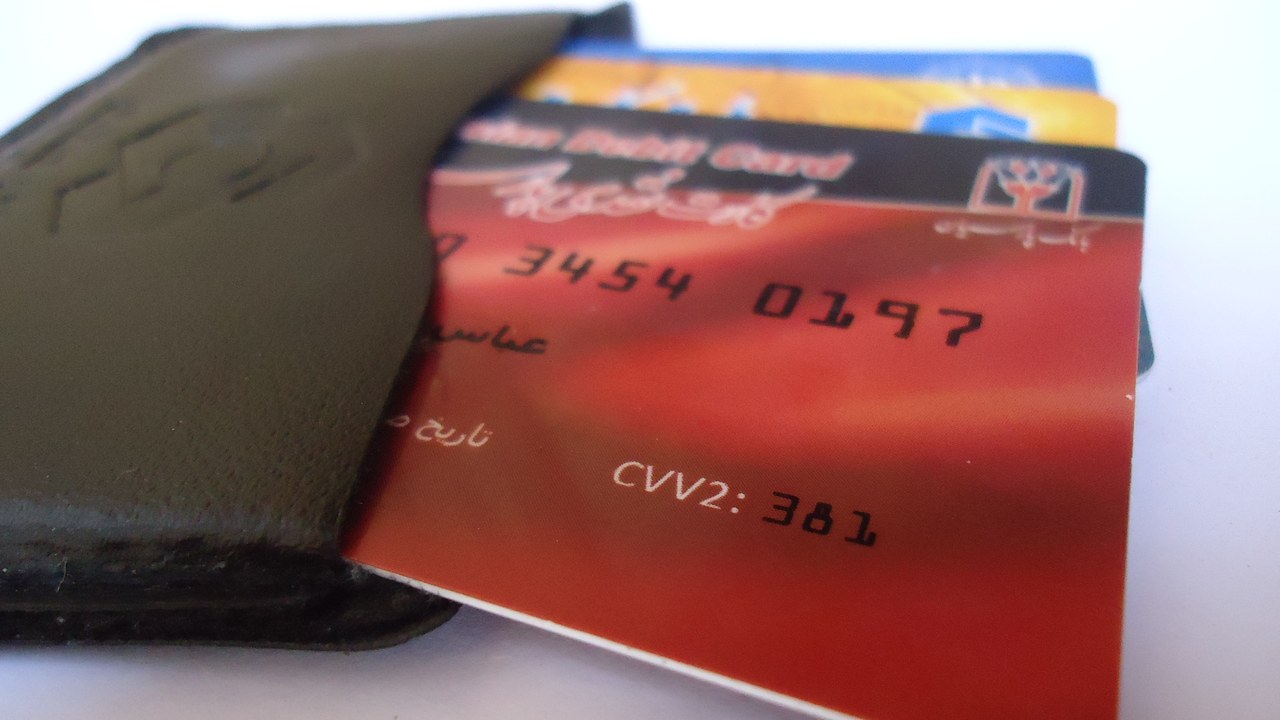
A wrong charge on a credit card bill comes with a short clock. Under the federal rule that governs card disputes, the card issuer has to receive a written billing-error notice within 60 days after it sent the first statement showing the error.
The rule is Regulation Z, section 1026.13, enforced by the Consumer Financial Protection Bureau. It sets out what a cardholder must do, and what the issuer must do in return, once a charge looks wrong.
What counts as a billing error, and what the notice has to say
The rule lists several kinds of billing error. They include a charge that was not made by the cardholder or someone with authority to use the card, a charge for goods or services that were not accepted or delivered, a math or accounting mistake by the card company, and a payment that was not credited properly.
The dispute must be a written notice. It has to let the issuer identify the cardholder’s name and account number, and to the extent possible say why the cardholder believes there is an error, along with the type, date and amount. The Federal Trade Commission adds that the letter should go to the address listed for billing inquiries, not the address for sending payments.
Anyone who spots a charge they do not recognize on a monthly statement is exactly who this rule is written for. The practical question is which statement started the clock, and whether a letter can reach the issuer before day 60.
Retirement deadlines, in your inbox: Miss an enrollment or claim deadline and the money can be gone. The Retirement Money Brief keeps you ahead of the ones that matter, every weekday.
Get the Retirement Money Brief →
We may earn a commission from links on this page.
How the 60 days are counted
The count starts with the first statement that shows the error, not the most recent one. The FTC puts it this way: the letter has to reach the issuer within 60 days after the first bill with the error was sent. A statement sent on October 1, for example, starts a window that closes 60 days later, on November 30. A charge that appeared in August and is noticed in November is already late for that dispute.
The wording is about when the notice arrives, not when it is mailed. The rule says the notice must reach the creditor at the billing-error address. The CFPB describes the same limit as 60 calendar days after the charge appeared on the statement and says to call the card company right away, then follow up in writing. Mailing with tracking leaves a record of the delivery date.
Paying the bill first does not end the right to dispute. The CFPB says a charge that was already paid can still be disputed, though the money probably will not come back until the company decides in the cardholder’s favor, so a paid charge is no reason to wait.
What the issuer must do, and what the cardholder can hold back
Once a valid notice arrives, the issuer has 30 days to acknowledge it in writing, unless the problem is already fixed. It then has to resolve the dispute within two complete billing cycles, and in no event later than 90 days after receiving the notice, according to the same rule.
During that time the cardholder does not have to pay the disputed amount, and the issuer may not try to collect it. The issuer may also not make or threaten to make an adverse credit report about the unpaid disputed amount, or close or restrict the account just because the dispute was raised in good faith. The undisputed part of the bill still has to be paid, the FTC says.
If the issuer decides the bill is right, the CFPB says it must explain why in writing, state how much is owed and give the payment due date. If the card company finds the cardholder is right, the charge must be removed from the bill.
Unauthorized charges and where to complain
A charge that nobody in the household made is also covered by a separate rule. Under Regulation Z section 1026.12, a cardholder’s liability for unauthorized use of a credit card cannot exceed $50. The FTC makes the same point in plain words.
Defective goods are a different path. The FTC says a cardholder can generally dispute a purchase on the same grounds available against the seller, after contacting the seller first. Purchases must have cost more than $5 and been made in the cardholder’s home state or within 100 miles of the billing address, though those limits do not apply when the seller is also the card issuer.
A cardholder who does not get a fair response can submit a complaint to the CFPB. Its complaint page lists credit cards among the products it accepts, says most companies respond within 15 days, and gives the phone number as 855-411-2372.
The clock does not stop for a phone call, so the safest steps are to write the letter first and keep copies. The FTC advises sending photocopies of supporting documents rather than originals and keeping a copy of the letter.
Found a card charge that does not belong?
The cost of a slow response is real. A written notice that reaches the issuer after day 60 can leave the cardholder without the dispute protections the rule describes, and a charge that was fraud, not a mistake, may mean the card number is already in a thief’s hands.
The Senior Fraud Defense & First-Hour Recovery Kit gives a household a place to start: the first-hour recovery plan, a fraud evidence and report log for keeping dates, copies and calls in order, and the free credit-freeze steps for stopping new accounts. Part 3 of the guide, “Reporting, and What Each Report Does,” covers who to tell and what each report does.
More Financial Reading
- 21 Ways to Stretch a $2,087 Social Security Check
- 15 Places to Find Your Share of the $4.25 Billion States Give Back
- 15 Steps to Stop the Scams That Took $7.7 Billion From Seniors
This article was produced with AI assistance and edited for accuracy against the sources linked above.