
Category: Taxes Made Simple
-
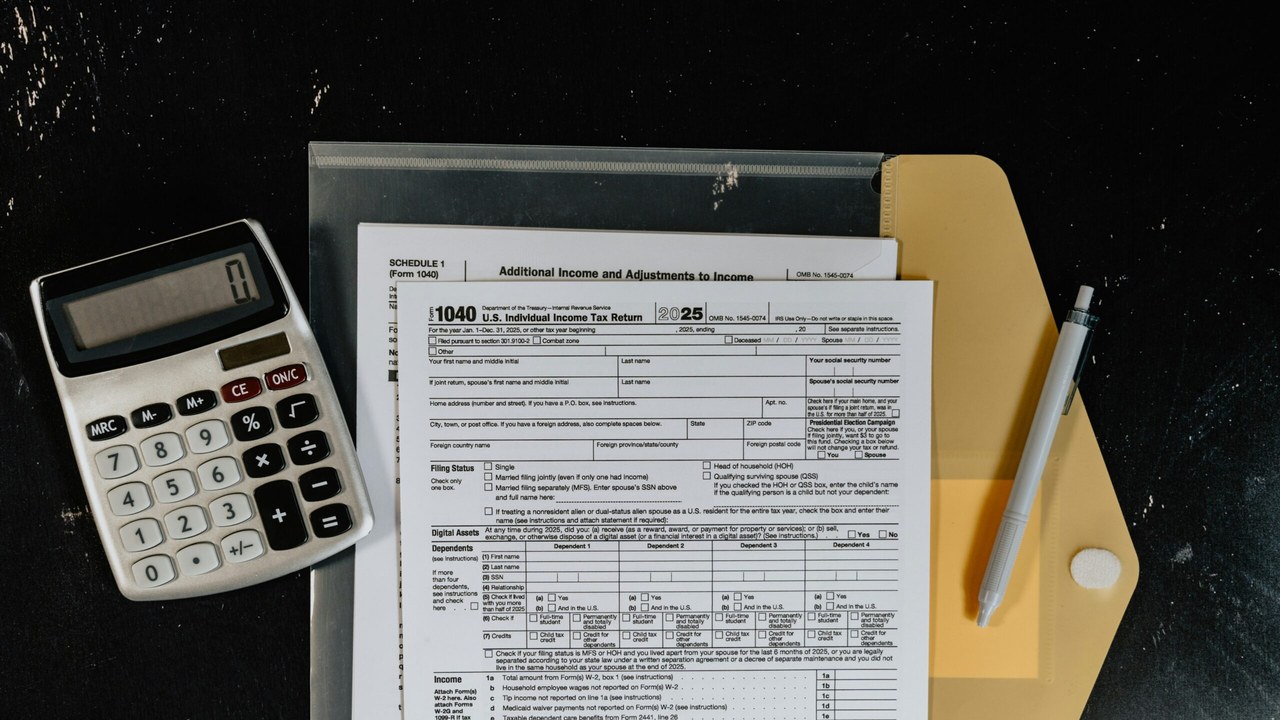
The IRS filed 592,800 tax returns for people who did not file their own
The IRS’s program for building a tax return on someone else’s behalf closed 592,800 cases in fiscal year 2025, more than double the 252,100 it closed two years earlier. The jump reflects a pandemic-era program coming back online rather than a new crackdown, but the mechanics matter to anyone who has gone a year or…
-

The IRS has flagged 73.2 million potential nonfilers across five tax years
The Treasury Inspector General for Tax Administration says the IRS is sitting on 73.2 million individual cases in which someone appears to owe a tax return for one of the last five years and has not filed one. Most of that backlog built up while the agency’s usual nonfiler notices sat idle for years at…
-

Every 2027 tax bracket circulating right now is a projection, because the Internal Revenue Service has not published them
Spreadsheets, YouTube videos and “tax planning” posts claiming to show the 2027 federal income tax brackets have been circulating online this fall, some listing specific dollar cutoffs for every filing status. None of those numbers come from the Internal Revenue Service, because the agency has not published them. For a household trying to plan next…
-
Michigan, Wisconsin and Mississippi storm victims have until November 2 to file and pay
Three separate federal disaster declarations, issued the same day for three different states, have pushed a wide range of tax deadlines to November 2, 2026, for households and businesses in the affected counties. The relief covers late 2025 income tax returns, quarterly payroll deposits and estimated tax payments, all landing on the same date regardless…
-

Three tribal nations face a September 28 tax deadline the rest of the country never heard about
For most of the country, tax deadlines closed months ago and will not reopen until next spring. Households connected to three Native American reservations are working from a different calendar entirely. Three separate IRS disaster declarations — covering the Crow Tribe of Montana, the Fort Peck Assiniboine and Sioux Tribes, and the San Carlos Apache…
-

Hawaii County earthquake victims have until February 1 to file, but the tax owed in April was never postponed
The Internal Revenue Service has given people and businesses in Hawaii County until February 1, 2027, to file federal tax returns delayed by the earthquake that struck the Big Island in May 2026. For anyone still dealing with earthquake damage, an extension like that can feel like the whole tax calendar has been pushed back.…
-
Filers who gave the Internal Revenue Service no bank account averaged $5,624 back, about $1,926 more than everyone else
A new federal audit of the 2026 tax filing season found an unusual split in refund sizes. Taxpayers who never gave the Internal Revenue Service a bank account for direct deposit, and instead waited on a mailed paper check, received refunds that averaged $5,624. The much larger group of filers who used direct deposit averaged…
-

Anyone whose federal refund cannot be deposited has 30 days to add a bank account or wait six weeks
More than 1.9 million taxpayers have opened a letter this filing season telling them their refund is ready but the IRS could not send it. The letter, Notice CP53E, sets an exact number of days to fix the problem before the refund defaults to the payment method the agency is trying to eliminate entirely: a…
-

The Internal Revenue Service has sent 1.9 million people a notice saying their refund could not be deposited
A federal watchdog report released this summer shows the Internal Revenue Service has already sent more than 1.9 million notices telling taxpayers their refund could not be direct-deposited as filed. The notices, known as CP53E, are the direct result of a 2025 executive order that phased out paper federal refund checks starting last fall. For…
-

The IRS says a short-term payment plan now covers a tax bill under $100,000
Millions of taxpayers finish a filing season owing more than expected, and the confusion that follows usually comes down to one number: does the balance qualify for a quick, no-fee arrangement or a slower monthly plan that carries a setup cost. The Internal Revenue Service’s payment plan rules answer that question with a specific dollar…