
Category: Taxes Made Simple
-

Standard vs. Itemized: The Simple Test Most People Pass
The 2026 standard deduction is $16,100 single and $32,200 joint. A four-number test tells you in minutes whether itemizing could ever beat it.
-

The Taxpayer Advocate: Free Help When the IRS Stalls
The Taxpayer Advocate Service is a free, independent office inside the IRS for stuck refunds and stalled cases. Who qualifies and how to open a case with Form 911.
-

The New Deduction for Workers 65 and Older, Explained
The 2025 tax law added a $6,000 deduction for people 65 and older, on top of what seniors already get. Who qualifies, the income limits, and how to claim it.
-

Overtime Pay and the New Tax Break: Who Qualifies
The new overtime deduction covers only the “half” in time-and-a-half, up to $12,500 a year. Who qualifies, who doesn’t, and how to figure your number.
-

Amended Returns: When Fixing a Mistake Pays You Back
Missed a credit or deduction? Form 1040-X lets you fix a filed tax return and claim the refund — generally within three years. Here’s how it works.
-

The Child and Dependent Care Credit, Step by Step
Summer day camp can count toward the child and dependent care credit. Here are the qualifying rules, the $3,000/$6,000 limits, and the new 2026 rates.
-
How to Get an IRS Transcript Without Calling Anyone
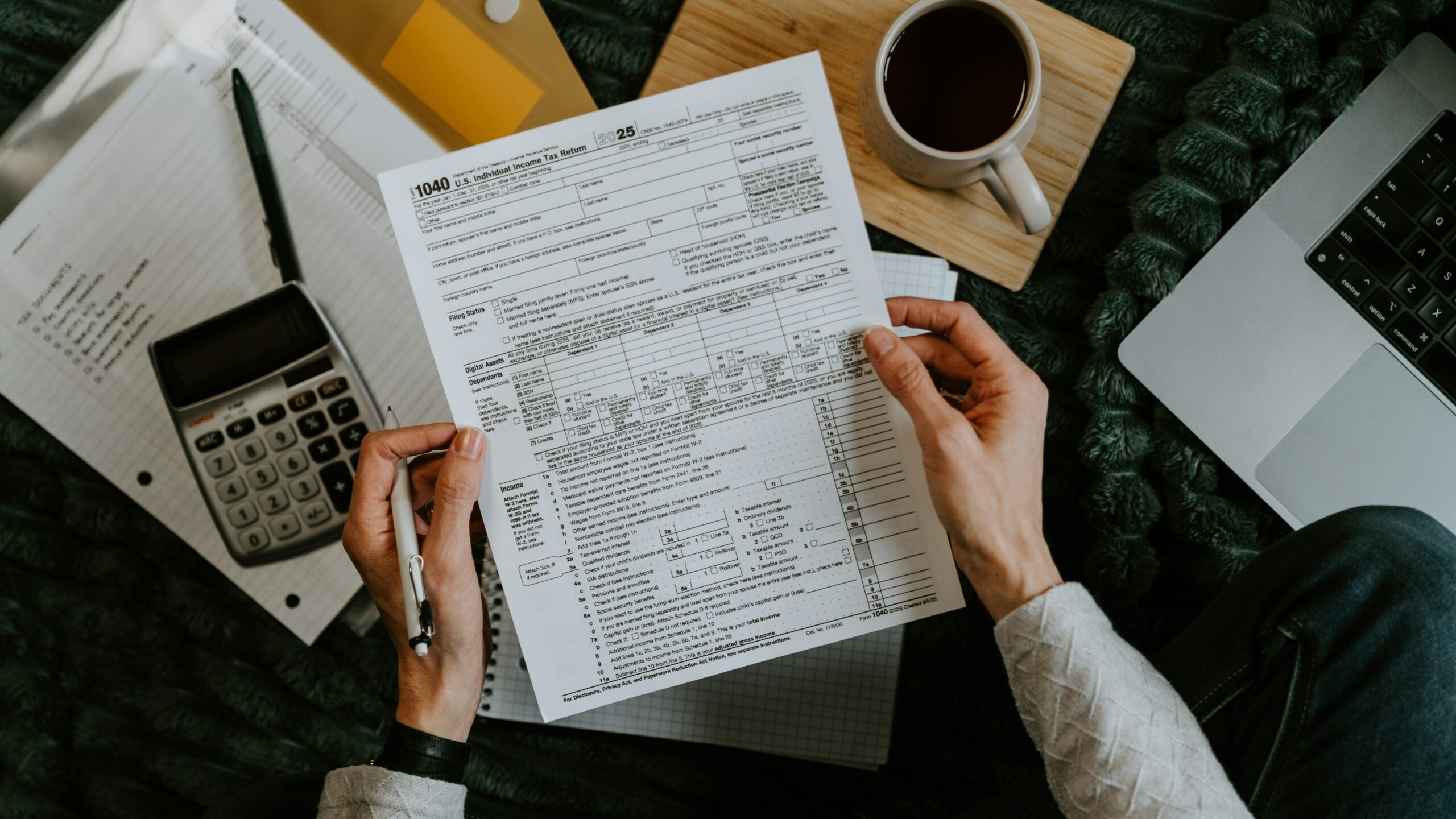
Mortgage lender or student aid office wants your tax transcript? The IRS gives out five types free, online, no phone call. Here’s which one to pick.
-

Refund Offsets: Why the Treasury Can Keep Your Money
A smaller-than-expected tax refund often means the Treasury Offset Program took a cut for an old debt. How offsets work, your rights, and who to call.
-

SALT Deduction Changes: The New Cap and Who Benefits
The SALT cap jumped from $10,000 to $40,400 for 2026, with an income phase-down above $505,000. Who actually saves money, and the math to check.
-

Charitable Deductions: What Counts and What Doesn’t
New for 2026: a charitable deduction you can claim without itemizing. What counts, what doesn’t, and the receipts the IRS requires to keep it.
