
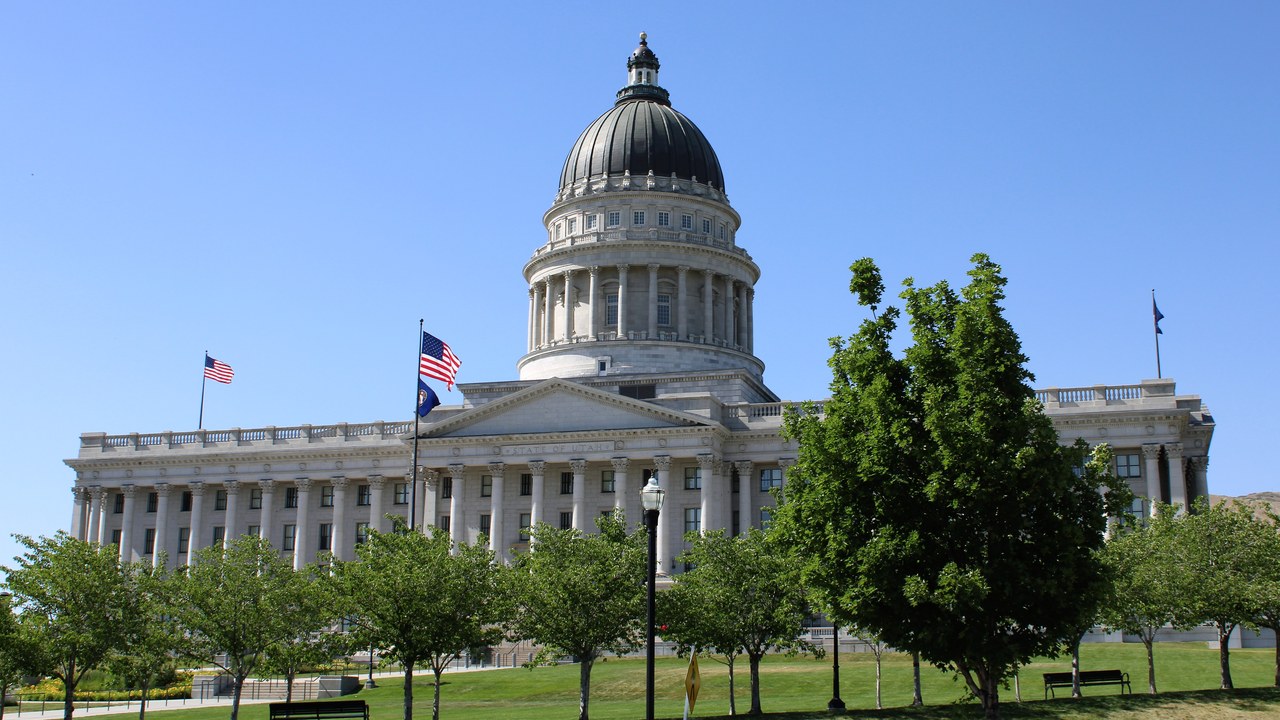
Utah’s state gas tax has been running 15 percent lower than usual since this summer, and the discount is set to continue through December 31. The cut is one of the more straightforward pieces of gas-tax relief among the states that have acted this year, applying a flat percentage reduction rather than a full suspension or a frozen rate. Drivers filling up anywhere in the state have been paying the lower rate automatically, without needing to apply for it or track a separate expiration date the way some other states’ programs require.
How The 15 Percent Cut Works
Utah reduced its state gas tax by 15 percent, a cut set to run through December 31, according to a Newsweek report published September 24 that tracked gas-tax relief across 17 states. Unlike Indiana’s approach of suspending its taxes entirely, or Kentucky’s approach of freezing a rate before it could rise, Utah’s cut trims a fixed share off the existing per-gallon tax, meaning the discount is built directly into the price posted at the pump rather than something a driver has to seek out separately.
A percentage cut also behaves differently than a flat suspension when wholesale fuel prices move. Because Utah’s tax is calculated as a share of the rate rather than suspended outright, the dollar value of the 15 percent discount rises and falls somewhat with the underlying rate itself, unlike Indiana’s suspension, which removes a fixed number of cents regardless of how the rest of the price moves. That makes Utah’s version closer in spirit to a standing discount than to a temporary tax holiday, even though both are described as relief measures in the same Newsweek roundup.
A gas-tax cut shows up automatically; property-tax relief does not: Utah’s 15 percent reduction applies at every pump without paperwork, but property-tax freezes and utility assistance almost always require a household to apply before a filing window closes. Read the five kinds of property-tax relief laid out in The Senior Property Tax & Home-Cost Relief Kit.
House Bill 575 And When The Cut Began
The reduction traces back to House Bill 575, titled Fuel Tax and Supply Amendments, which the Utah Legislature took up during its 2026 general session after an earlier version of the proposal was initially voted down and then revived. The bill pairs the 15 percent tax reduction with provisions aimed at expanding the state’s fuel storage and supply capacity, tying the tax cut to a broader effort to keep Utah’s fuel market more insulated from national price swings. Utah’s State Tax Commission, which administers the state’s fuel tax and publishes the current rate whenever it changes, is the agency responsible for applying the reduced rate at the wholesale level, where it flows through to retail pump prices.
The bill’s path through the legislature was not entirely smooth. An initial version of the fuel-tax proposal failed on its first attempt earlier in the session before lawmakers revived it and pushed it through, a reversal that reflects how much attention gas prices had drawn by the time legislators reconvened. The revived bill ultimately combined the tax cut with the fuel-supply provisions in a single package rather than advancing them separately, which is part of why the legislation touches both tax policy and infrastructure planning at once.
What The Cut Is Worth At The Pump
A 15 percent reduction in a state fuel tax translates into a modest but real discount on every gallon, since Utah’s per-gallon tax rate is a small fraction of the total price drivers pay, which also includes the federal tax, the wholesale cost of fuel and each retailer’s own margin. Because the reduction is baked into the posted price rather than requiring a rebate or a receipt, Utah drivers do not need to do anything differently at the pump to receive it, and the discount applies equally whether someone fills up once a week or drives a company fleet vehicle every day. A household that fills two vehicles a week would see the savings accumulate gradually over the months the cut is in place, rather than as a single lump sum the way a rebate check would arrive, and the total saved depends entirely on how many gallons that household ends up buying before the cut expires.
What Happens After December 31
Nothing in the Newsweek report or the underlying legislation suggests the 15 percent cut is intended to be permanent. Unless Utah lawmakers act again before the end of the year, either extending the reduction or writing a new rate into law, the state’s gas tax is set to return to its prior level once December 31 passes. That would put Utah in a similar position to Indiana, Illinois and Kentucky, all of which face their own decisions about whether temporary relief becomes permanent policy or simply expires on schedule. Utah’s legislature is not scheduled to reconvene for its next general session until January, after the December 31 expiration, which means any extension would most likely have to come through a special session rather than the regular annual process lawmakers used to pass House Bill 575 in the first place.
A Gas Tax Cut With An End Date, And Home Costs Without One
Utah’s 15 percent gas-tax cut runs on a calendar that ends December 31, and drivers there are getting the benefit without filing anything. Property taxes and home-energy bills follow a very different pattern, arriving on their own schedule year after year with relief that has to be claimed rather than applied automatically.
The Senior Property Tax & Home-Cost Relief Kit lays out the circuit-breaker credit that also reaches renters and where to find help with heating, cooling and home-repair costs, the kind of recurring expenses a temporary gas-tax cut does not touch.
Open the renewal calendar in The Senior Property Tax & Home-Cost Relief Kit.
This article was produced with AI assistance and reviewed by a human editor. Figures are linked to the report and the legislation where they were verified.


