
Category: Scams & Your Rights
-
Three former credit union employees are barred for life from any insured institution
The National Credit Union Administration has permanently barred three former credit union employees from ever working in banking again, using an enforcement tool the agency applies more often than most account holders realize. The orders close out separate misconduct cases at three federally insured credit unions without a criminal trial, based on each person’s written…
-
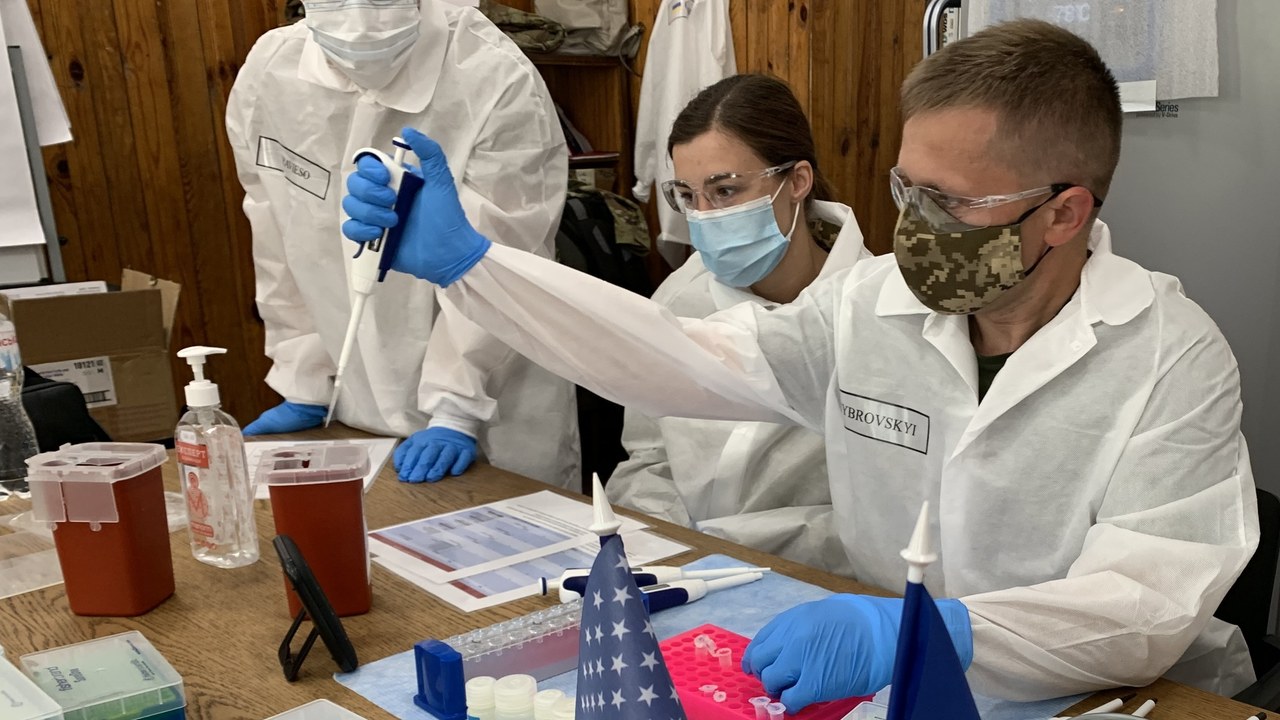
A lab reported skin cancer results after its own control samples fell out of range
When a lab runs a genetic test, it isn’t just testing the patient’s sample. Built into every test run is a “control” sample with a known, expected result, run alongside the real one specifically to prove the equipment and chemistry are working correctly that day. According to the Justice Department, a California skin-testing company reported…
-
A skin cancer testing company will pay up to $5 million after billing Medicare for results its own checks had flagged
DermTech, the California lab behind an adhesive-patch skin test marketed as a needle-free alternative to a mole biopsy, has reached a deal with the Justice Department over how it billed Medicare for that test. The company, now unwinding in Chapter 11 bankruptcy as DTech Liquidating Inc., is turning over an allowed unsecured bankruptcy claim of…
-

A hospital that fails to post its real prices can be fined more than $2 million in a year, and the government names it
Hospitals have been required to post their real prices online since 2021, and for years the rule had a reputation for being toothless. It isn’t. Under federal regulation, the Centers for Medicare & Medicaid Services can fine a single noncompliant hospital more than $2 million over a full year of violations, and it publishes the…
-
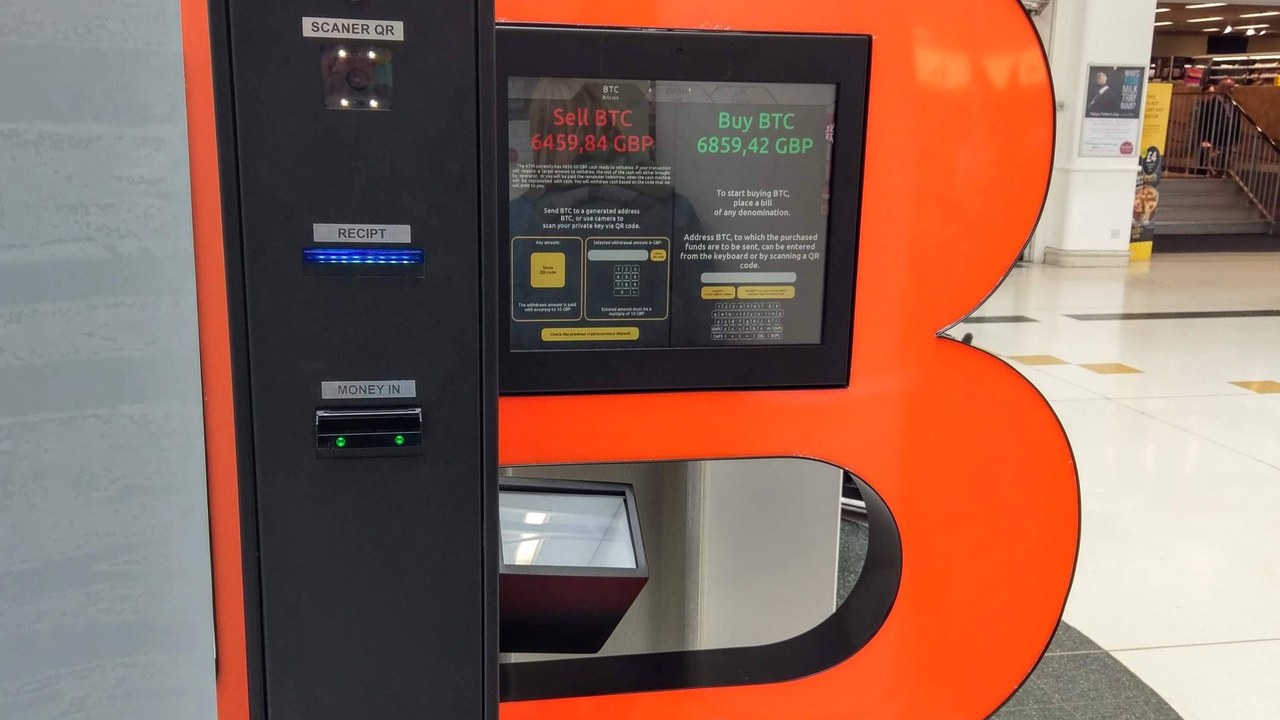
A federal watchdog traced $12.7 billion in suspected crypto romance scams
Federal regulators have put a number on one of the fastest-growing fraud problems in the country. On September 3, 2026, the Treasury Department’s Financial Crimes Enforcement Network released an analysis of suspicious-activity reports tied to crypto investment schemes, along with a fresh alert instructing banks and other financial firms on what to watch for. The…
-

A Utah day trader got 15 years for taking $89 million from about 200 investors and buying a plane
A federal judge in St. George, Utah, sentenced Matthew Shane Perkins to 15 years in prison this month for a wire fraud scheme that pulled in at least $89 million from roughly 200 investors. Perkins built his pitch on a reputation as a “savant” trader who almost never had a losing day, and investors sent…
-

Rhode Island regulators also cut a utility’s legal-expense recovery by $440,766 in the same order
Inside the same August 21, 2026 order that produced more than $170 million in bill credits for Rhode Island Energy customers, the Rhode Island Public Utilities Commission also did something much smaller and far less noticed: it told the utility that ratepayers won’t be covering $440,766 of the legal costs it wanted to recover. It’s…
-

Fake car dealership websites are taking real deposits for cars that do not exist
A dealership website looks legitimate, the listed car looks real, and the price feels fair, so a buyer wires a deposit and waits for a call to come pick up the keys. Except the website was never the dealer’s. In a consumer alert published September 1, 2026, the Federal Trade Commission warned that scammers are…
-

The FTC says a postcard offering veterans a bigger monthly benefit is a scam
The Federal Trade Commission is warning veterans and their families about postcards showing up in mailboxes nationwide that promise extra monthly benefits through something called the “Veterans Savings Program.” According to the agency, that program is not real, the postcards are not from the Department of Veterans Affairs, and the entire point of the mailer…
-
An 83-year-old woman pleaded guilty to running a $10.9 million scheme that cost 204 investors their savings
An 83-year-old Lexington, Massachusetts, woman pleaded guilty this month to running a $10.9 million Ponzi scheme built on promissory notes she kept selling for more than a decade after state regulators had already stripped her company of the license it needed to make money. Roughly 204 investors lost their savings, and more than two dozen…