
Category: Saving & Banking
-

Lose your credit-card grace period and new purchases can start charging interest immediately
A credit card’s grace period can turn routine purchases into a short, interest-free loan when the statement balance is paid in full by the due date. Once that protection is lost, a new grocery, gas or online purchase may begin accruing interest from its transaction date. Carrying even a small balance can therefore change the…
-

A checking account advertised as free cannot charge monthly or minimum-balance fees
“Free checking” is not supposed to mean free only until a balance dips or the calendar turns. When a bank or credit union advertises an account as free or no cost, federal rules bar monthly service charges and fees for failing to maintain a minimum balance. Other charges can still apply, so the account’s name…
-

Credit-card billing errors must be disputed in writing within 60 days
A quick phone call may alert a card issuer to a wrong charge, but it does not replace the written notice that preserves federal billing-error rights. The cardholder has no more than 60 days after the issuer sent the statement containing the error to deliver that dispute. Missing the clock can surrender powerful protections even…
-

A debt collector’s pay-to-pay fee is illegal unless your contract or the law permits it
A few dollars added to every phone or online payment can make an already difficult debt more expensive. Federal consumer guidance says a third-party debt collector may collect that pay-to-pay charge only when the agreement that created the debt expressly authorizes it or a law specifically permits it. Silence in the contract and silence in…
-

Vector Security breach victims can claim up to $2,000 by September 15
A breach notice from Vector Security can now support a reimbursement claim, but the headline cap is not a flat payment for every recipient. The settlement allows documented losses and limited lost time to be claimed together up to $2,000. The filing window closes September 15, and payment remains contingent on the court approving the…
-
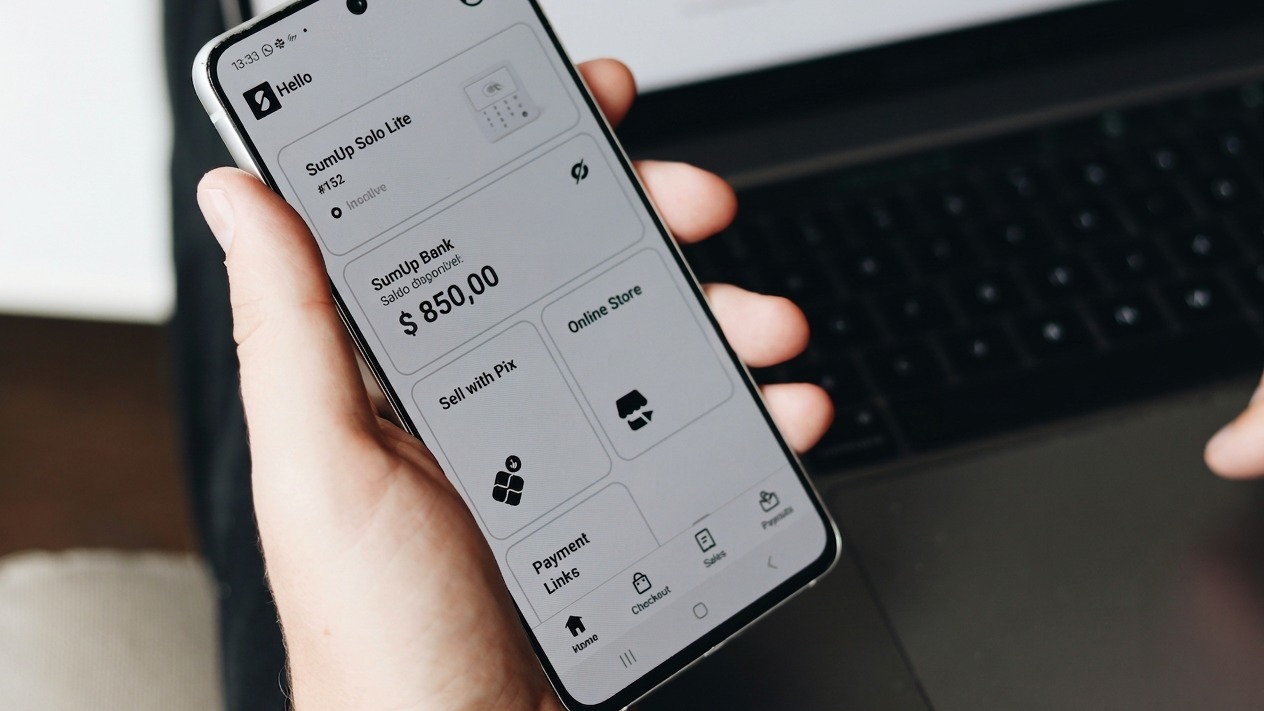
The FTC mailed 9,419 refund checks that stop being cashable 90 days after they are issued
The FTC sent 9,419 checks totaling more than $672,000 to consumers deceived by Trend Deploy. The checks must be cashed within 90 days of issuance.
-
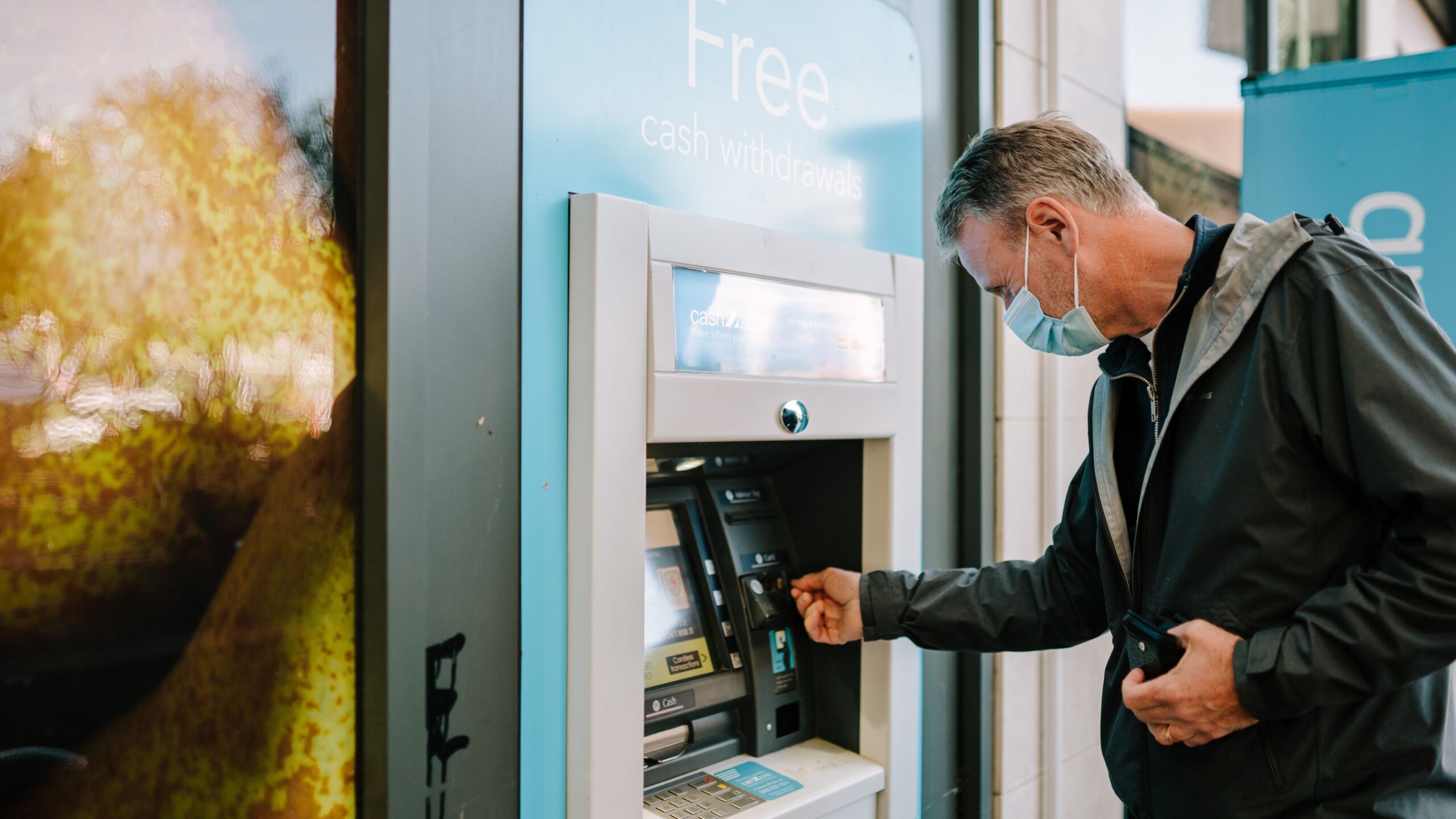
Regulators took over a Kansas City credit union, where retirement accounts carry their own $250,000 of coverage
NCUA placed WeDevelopment Federal Credit Union into conservatorship on July 10, 2026. IRA and KEOGH accounts are separately insured up to $250,000 on top of individual coverage.
-
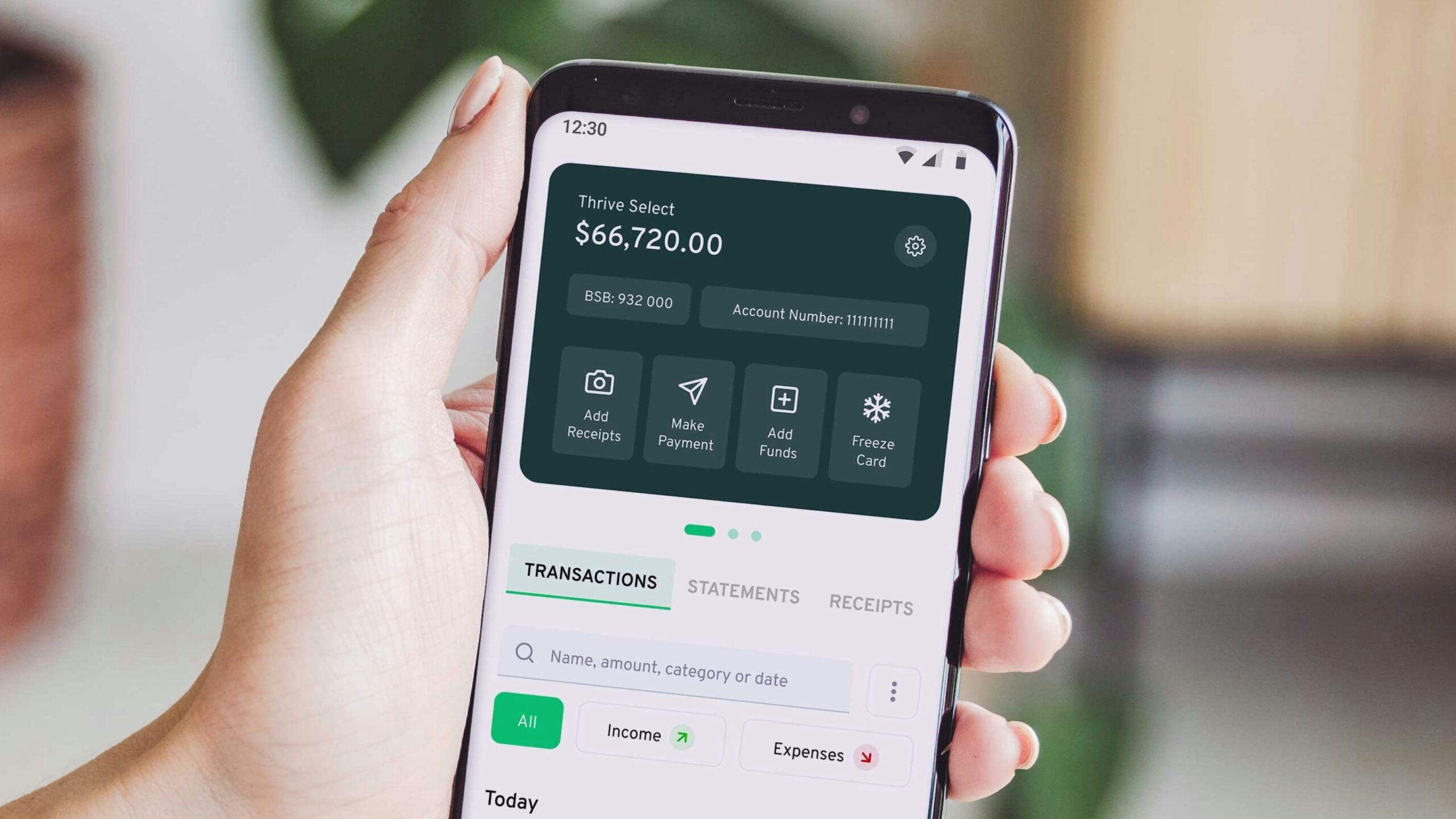
Your bank must free up $275 of a check deposit the next business day
On July 1, 2025, the dollar figures inside the federal check-hold rules went up. What did not move was the machinery around them. Regulation CC still runs on an availability schedule that has been in place since 1990, and it still works the same way it always has: a small slice of a check deposit…
-
There is no federal $5 cap on overdraft fees — Congress killed that rule before it ever took effect
Ask around and a fair number of people will tell you that a bank cannot charge more than five dollars when an account goes negative. It is a specific, confident, widely repeated belief, and it is wrong in two directions at once. No such limit is in force today. And even the rule that people…
-

Your savings account probably pays 0.38%, the FDIC’s latest national average shows
Thirty-eight hundredths of one percent. On a $10,000 balance left alone for a full year, that comes to $38 in interest, or a little over three dollars a month. That is not a figure from a rate-comparison site or a single unlucky bank. It is the national average paid on savings accounts by every insured…
