
Category: Credit & Debt
-
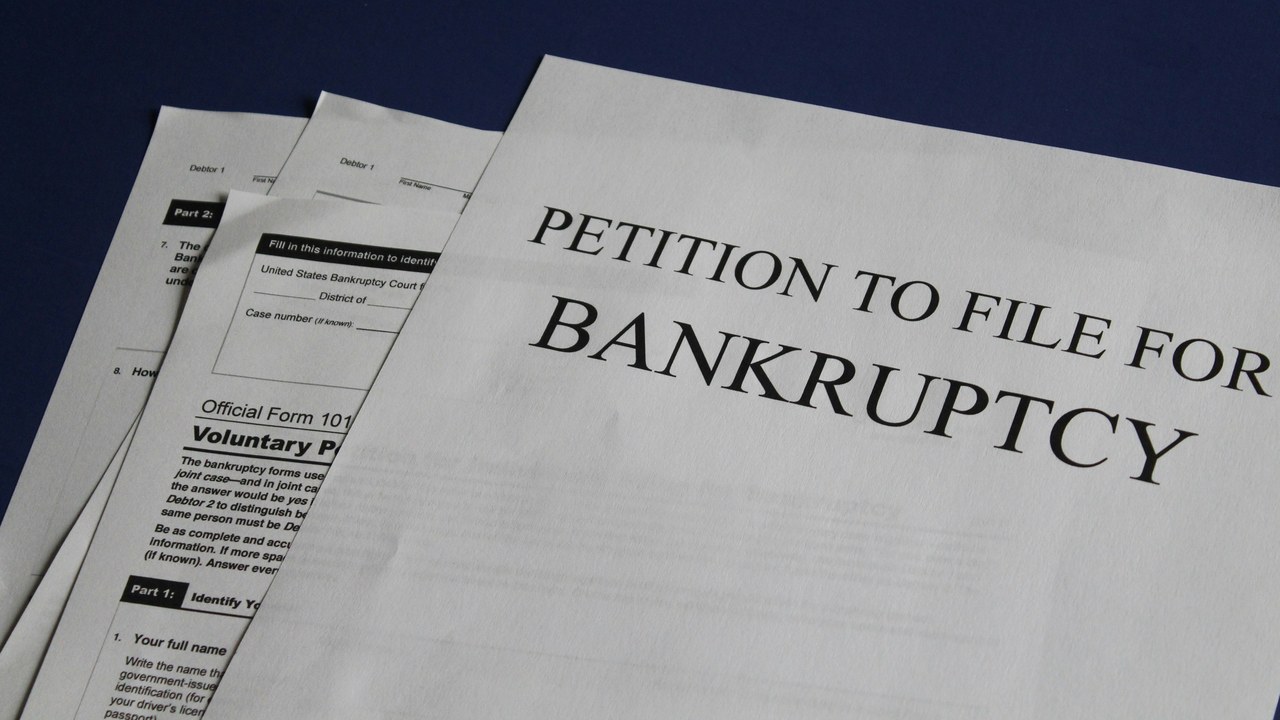
A bill Congress passed would restore higher bankruptcy debt limits that expired in 2024, raising the small-business Subchapter V cap to $7.5 million, and it has not been signed into law
Congress has passed H.R. 7730, the Bankruptcy Threshold Adjustment Act, which would bring back the higher debt ceilings for small-business and family bankruptcies that lapsed in 2024. The House passed the bill by voice vote on Sept. 16, and the Senate passed it without amendment by unanimous consent on Sept. 28. The latest action on…
-

Every lender can now use VantageScore 4.0 on loans sold to Fannie Mae
A home buyer does not get to choose the credit score model. The lender does. That is the catch inside Fannie Mae’s decision to open VantageScore 4.0 to every lender, which the mortgage giant set out in Lender Letter LL-2026-06, dated Sept. 9 and updated Sept. 30. The letter says “All lenders may use VantageScore…
-

Credit Acceptance must forgive 95 percent of the debt when certain at-risk borrowers default within 12 or 18 months and the car is repossessed and sold
A subprime car loan can turn into a debt that outlives the car. Under a settlement announced September 17, 2026, Credit Acceptance Corporation must now forgive 95 percent of what is owed when certain at-risk borrowers default within 12 or 18 months and the vehicle is repossessed and sold. New York Attorney General Letitia James’s…
-

Navy Federal’s proposed settlement would cancel the disputed loans, request deletion of the credit entry and refund every payment made, with no claim form for any of it
Navy Federal Credit Union has agreed to cancel certain personal loans that members say were opened by fraudsters, to ask the credit bureaus to delete the related credit reporting, and to return every payment those members made on the loans. None of that requires a claim form. A federal court in Norfolk, Virginia has granted…
-

Equifax settlement objections and opt-outs close November 27, a month before the December 28 claim deadline, with the final approval hearing set for January 22
Anyone who wants out of the Equifax credit-reporting class action, or wants to object to it, has until November 27, 2026, and the claim deadline for everyone who stays in is December 28, 2026. The settlement resolves claims that a coding problem in March and April 2022 caused Equifax to report altered credit scores to…
-

Student loan borrowers on autopay keep a one point rate cut through June 2028
Federal student loan borrowers who pay by automatic debit are getting a bigger rate discount than the autopay perk that existed for years, and it is scheduled to run through June 30, 2028. The reduction is one full percentage point off the interest rate, not one percent of the rate and not one percent of…
-

The government now adds up to $50 a month toward a borrower’s principal when an on-time payment reduces it by less than $50
A new federal repayment plan has been quietly doing something no earlier student loan plan did: when a borrower’s monthly payment barely touches the balance, the government puts money toward the principal itself. The Department of Education says the credit reaches up to $50 a month, and it applies only to the plan’s own on-time…
-

More than 5 million federal student loan borrowers have been in default for over six years, and 5 million more went into default in under a year
Treasury and the Department of Education put two numbers side by side on September 30, 2026, and neither of them is ten million. More than 5 million borrowers have been in default on federal student loans for over six years, the departments said, and an additional 5 million entered default in less than one year.…
-

Up to two months of deposited Social Security is shielded when a collector freezes an account
A bank that receives a court order to garnish an account is supposed to look back over the previous two months before it holds anything, and Social Security that arrived by direct deposit in that window is protected automatically. The protection is not a flat two months of benefits, though. Federal rules set it at…
-

A defaulted student loan can take 15% of a paycheck, the tax refund, and part of a Social Security check
Federal student loan default opens three separate routes by which the government can collect: a share of a paycheck, a tax refund, and part of a Social Security benefit. The wage route is capped at 15%. The other two are described in less detail by the federal pages that explain them, which is part of…