
Category: Credit & Debt
-

Student loan borrowers left in SAVE forbearance earn no Public Service Loan Forgiveness credit for those months, the Education Department says
Months spent in the SAVE forbearance do not count toward Public Service Loan Forgiveness, the Education Department’s Federal Student Aid office says. For borrowers working toward forgiveness in government or nonprofit jobs, that means the time can pass with no progress on the 10-year clock. Federal Student Aid, the department’s student aid office, states it…
-

Federal student loan borrowers with Direct Loans originated after July 1, 2012 have until December 31 to sign up for auto pay and lock in a 1 point interest rate cut through June 2028, the Education Department says
Borrowers with Direct Loans originated after July 1, 2012 now have until December 31 to enroll in auto pay and keep a 1 percentage point cut to their student loan interest rate through June 30, 2028. The Education Department moved the date from September 30 on September 29, giving borrowers three more months. The cut…
-

Banks must automatically shield two months of directly deposited Social Security, VA, railroad and OPM benefits from private debt collectors, the CFPB says
A bank that gets a court order to freeze an account holding Social Security money has to leave two months of the benefit untouched, and it has to do that without waiting for the account holder to ask. The Consumer Financial Protection Bureau (CFPB) says banks automatically protect two months of certain directly deposited federal…
-

A bank served with a garnishment order without a federal benefits notice attached has two business days to free the lesser of two months of posted federal benefits or the account balance
When a creditor’s garnishment order reaches a bank with no federal benefits notice attached, a federal rule gives the bank two business days to look at the account and set aside the benefit money inside it. Treasury’s rule at 31 CFR Part 212 covers payments from Social Security, the Department of Veterans Affairs, the Railroad…
-

A Maryland man is charged with redirecting the bank mail of more than 40 seniors averaging 81 and ordering debit cards in their names
A Hyattsville, Maryland, man is accused of changing the mailing addresses on the bank accounts of more than 40 seniors, ordering debit cards in their names and using them for more than 1,500 ATM withdrawals. Roy Dave Davis, 34, was charged with bank fraud by criminal complaint, the U.S. Attorney’s Office for the District of…
-

Treasury is setting up a records system to receive student aid data, including borrowers’ Social Security numbers, income and default records, with comments due Nov. 6
The Treasury Department has created a new file to hold personal information on people with federal student aid, and the public has until Nov. 6 to comment on it. The notice, published in the Federal Register on Oct. 7, 2026, says Treasury will receive records from the Education Department that include Social Security numbers, dates…
-
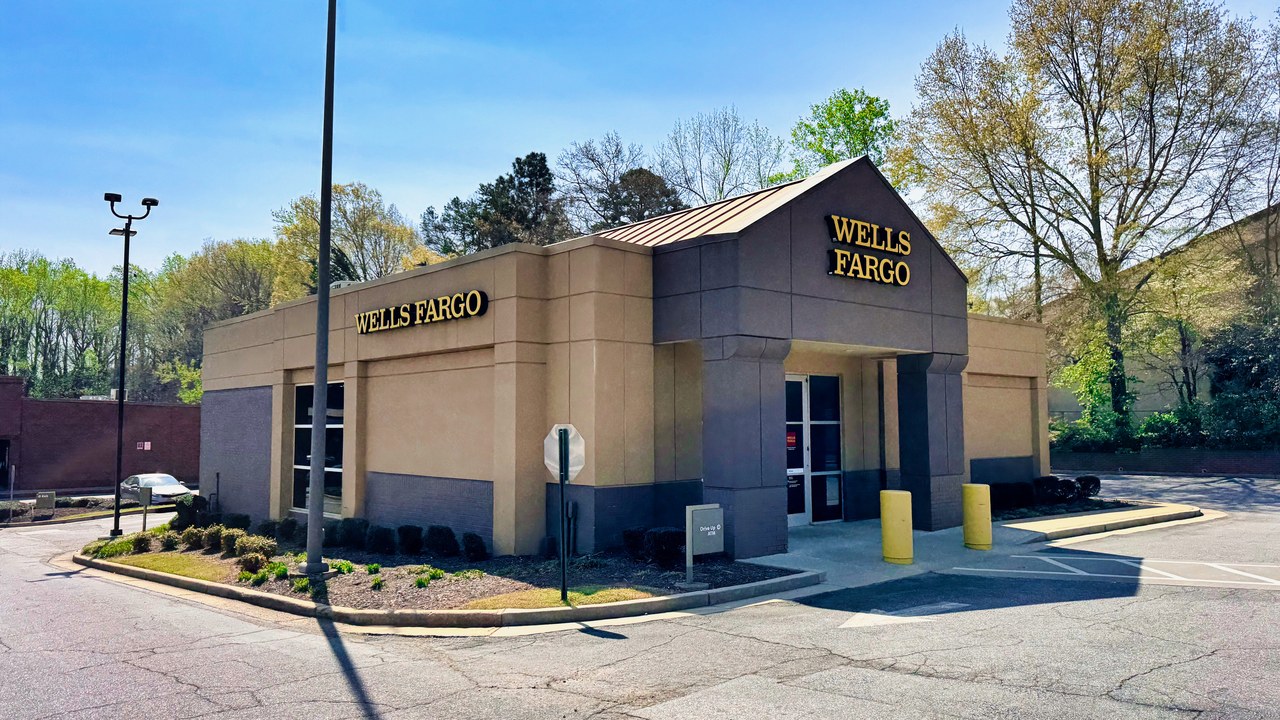
HUD is investigating Wells Fargo’s $60 billion pledge to add 250,000 Black homeowners
The federal housing department has opened an investigation into one of the biggest bank pledges ever made on Black homeownership. The Department of Housing and Urban Development said on Oct. 7, 2026, that it is looking at whether Wells Fargo’s program to add 250,000 Black homeowners by 2027, part of a $60 billion lending commitment,…
-
Fannie Mae now lets mortgage servicers contact homeowners who may be able to drop private mortgage insurance based on their home’s current value
Homeowners who pay private mortgage insurance may start hearing from their loan servicer about getting rid of it. On Sept. 16, 2026, Fannie Mae told the companies that collect mortgage payments that they may now reach out on their own to borrowers who could be eligible to end that insurance because their home is worth…
-
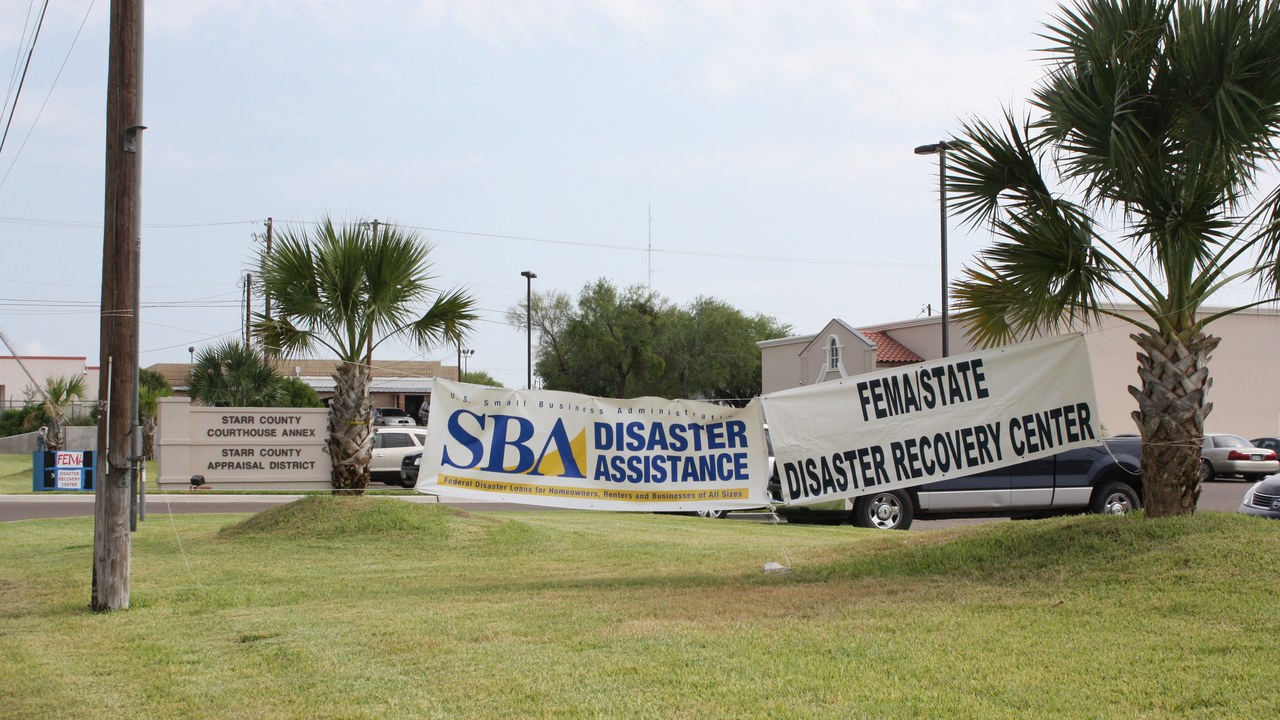
SBA disaster loans are open to storm and fire victims in Ohio, Connecticut, New York, Washington and Pennsylvania, with deadlines of Nov. 23 and Dec. 1
The U.S. Small Business Administration has opened disaster loans for people hit by storms, flooding and a wildfire in five states: Ohio, Connecticut, New York, Washington and Pennsylvania. Applications for property damage are due Nov. 23 in three of the states and Dec. 1 in the other two, according to the SBA’s notices in the…
-
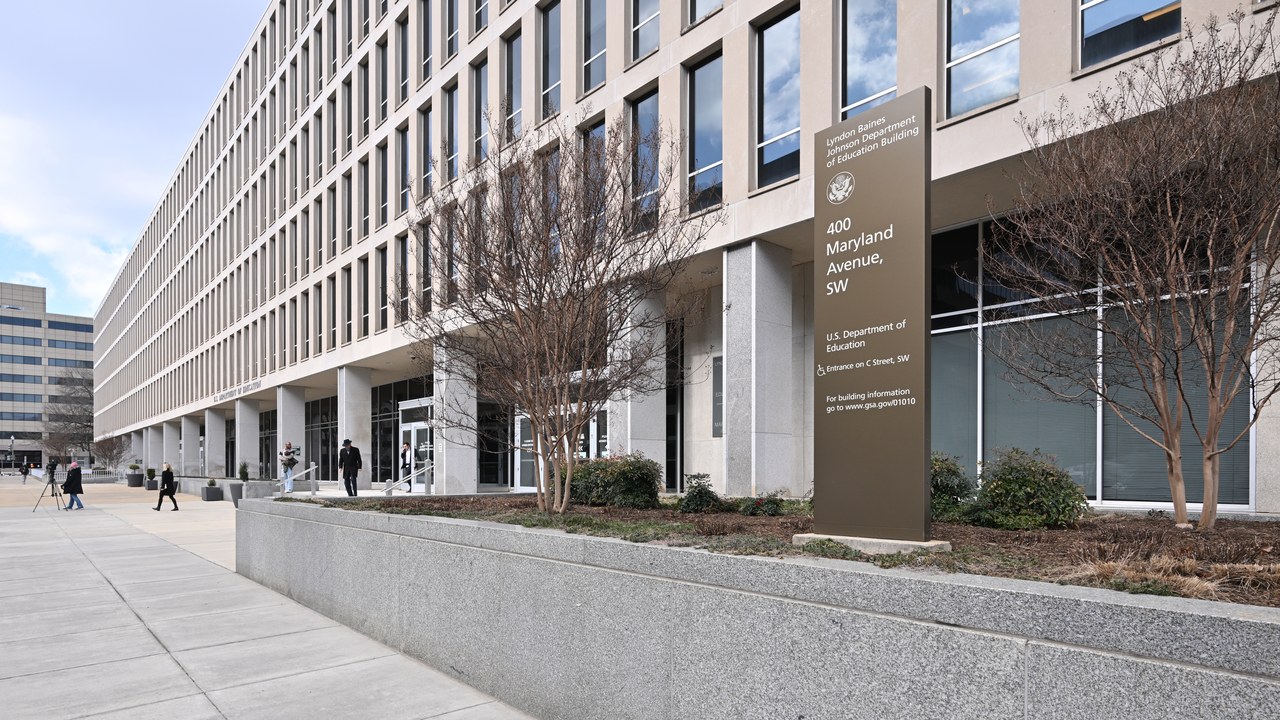
Treasury says approved student loan rehabilitation applications rose 69 percent since Treasury joined Education on defaulted loans, as a new borrower portal opened Sept. 30
Treasury says approved applications for student loan rehabilitation are up 69 percent since it joined the Education Department on defaulted loans less than six months ago. The two agencies announced the figure on Sept. 30 as they opened the Defaulted Loans Support Center, an online portal at StudentAid.gov for borrowers whose federal loans are in…