
Category: Credit & Debt
-

Enrolling a student loan in autopay by December 31 holds a 1% interest cut through June 2028
Federal student loan borrowers who sign up for automatic payments before the end of 2026 are covered by a 1% interest rate reduction that runs through June 2028. The calendar is the story: the benefit began July 1, 2026, the enrollment cutoff is December 31, 2026, and the reduction is described as lasting until June…
-
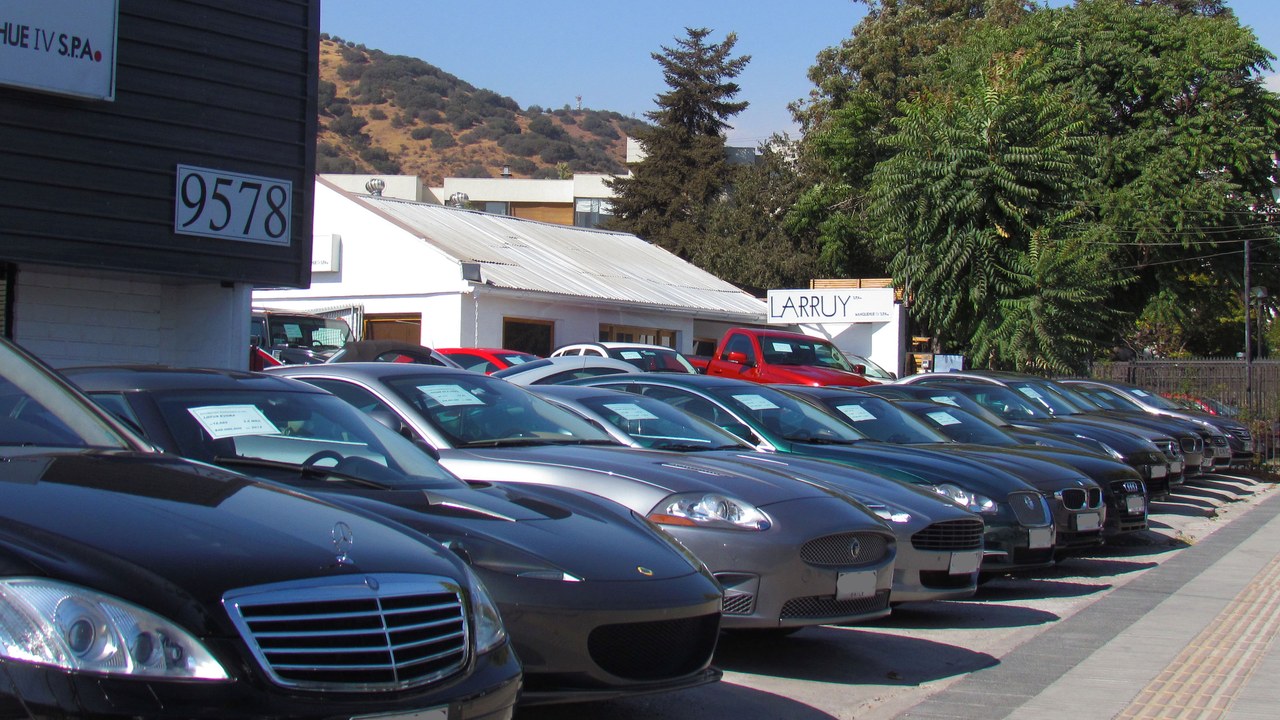
Borrowers in more than 40 states get subprime auto-loan balances cancelled by November 2 without filing anything
More than 55,000 borrowers who took out subprime car loans through Credit Acceptance Corporation are set to have what they owe erased, with the lender required to provide the relief by the settlement’s November 2, 2026 effective date. Attorneys general in dozens of states announced the $694 million deal on September 17, and none of…
-
Equifax’s settlement over a three-week 2022 coding error closes to claims December 28
A coding error inside Equifax, lasting about three weeks in the spring of 2022, has produced a class settlement that stops taking claims on December 28, 2026. The case concerns credit scores and credit attributes that reached lenders and other third parties in a different form than they should have. Equifax’s own analysis, not the…
-
Credit Acceptance will erase $634 million in car loan debt across 41 states and Washington, D.C.
Nobody has to fill in an application to receive relief under the Credit Acceptance settlement. Attorneys general in 41 states and Washington, D.C. announced that the subprime auto lender will erase $634 million in car loan debt, and the lender itself is responsible for telling borrowers who are covered. The settlement takes effect November 2,…
-
Discover cardholders moving to Capital One can no longer put rewards toward minimum payments
Discover cardholders whose accounts are converted to Capital One will no longer be able to put rewards toward a minimum payment. The change comes from the Discover integration FAQ, which says flatly that “rewards cannot be applied toward your minimum payment.” The conversion runs in waves through early 2027, so the practical effect will land…
-
Two-year personal loans at banks average 11.86%, about half the 22.15% charged on credit card balances, Fed data show
Commercial banks charged an average of 11.86% on 24-month personal loans, and 22.15% on credit card balances that were assessed interest, according to the Federal Reserve’s G.19 consumer credit release of Sept. 8. The personal loan rate is 53.5% of the card rate, a gap of 10.29 percentage points. The two figures come from different…
-
Bank of America’s home equity line jumps to 8.525% after its six-month 5.74% intro rate, with prime at 7%
Interest on a fully drawn $50,000 home equity line at Bank of America works out to about $239 a month at the 5.740% introductory rate and about $355 a month at 8.525%, the rate the bank’s page lists after six months. That is a $116 monthly jump on the same balance. The page dates the…
-
Chase’s own formula puts its top Freedom Unlimited card rate at 27.99% now that prime has risen to 7%
Seven plus 20.99 equals 27.99. That sum is the top variable rate on the Chase Freedom Unlimited card once prime is 7%, using the margin and formula printed on Chase’s own card page. The page itself still showed the older 6.75% prime when it was read on Sept. 29, so the 27.99% figure is arithmetic…
-
The prime rate rose to 7% from 6.75% after the Fed’s September hike, lifting rates on cards and home equity lines tied to it
A quarter-point decision at the Federal Reserve on Sept. 16 reached household borrowing within a day. U.S. Bank raised its prime lending rate to 7.00% from 6.75%, effective Sept. 17, and the Fed’s H.15 table lists the bank prime loan rate at 7.00% for every business day of Sept. 21-25. Borrowing that follows prime moves…
-
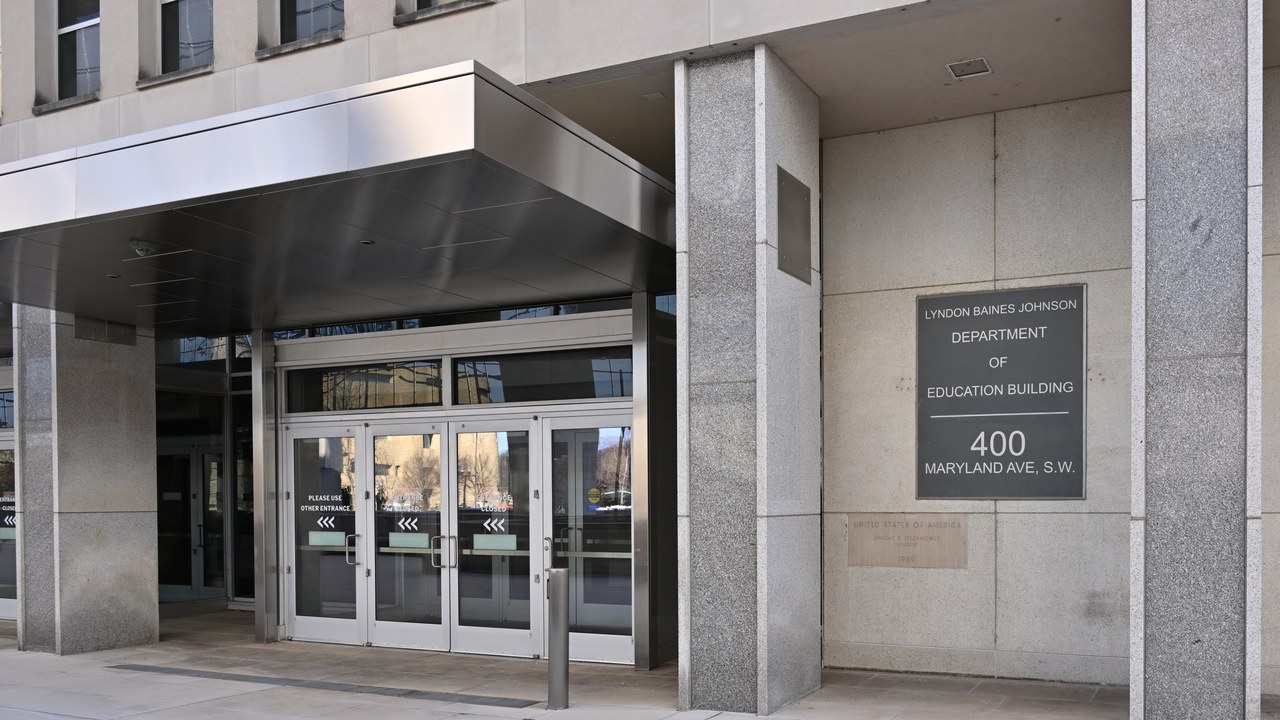
Federal student loan borrowers who enroll in autopay by September 30 get a 1 percentage point rate cut through June 30, 2028
Federal student loan borrowers have until the end of this month to lock in a temporarily larger interest-rate discount just for paying automatically. The Education Department is offering a 1 percentage point rate reduction to borrowers enrolled in autopay, more than four times the discount that normally applies, but only to those who sign up…