
Category: Workplace Rights
-

An OPM direct final rule published October 15 puts into regulation that federal workers can count certain honorable active military service toward FMLA leave eligibility, as a 2023 law already allows
The Office of Personnel Management (OPM) is writing a rule into federal regulations that says certain honorable active military service counts toward the 12 months of service a federal employee needs to take Family and Medical Leave Act (FMLA) leave. The direct final rule, titled “Family and Medical Leave Act” (RIN 3206-AP18), is set for…
-

San Antonio car dealerships agreed to pay $430,000 in an EEOC settlement
Benson Enterprises, Inc., the operator of automotive dealerships including Ingram Park Chrysler Jeep Dodge Ram in San Antonio, will pay $430,000 and provide other relief to settle a sex-based harassment and retaliation lawsuit brought by the U.S. Equal Employment Opportunity Commission. The money goes to two affected employees. A federal court approved the deal as…
-

El Dorado Furniture agreed to pay $1.3 million to a class of job applicants in an EEOC settlement
El Dorado Furniture Corporation agreed to pay $1.3 million to settle an EEOC discrimination charge, the Equal Employment Opportunity Commission announced October 5. The agency said it found reasonable cause to believe the Florida furniture retailer had a companywide practice of favoring Hispanic applicants for all positions, and that Black, white and other non-Hispanic applicants…
-
Birchstone Management agreed to pay $55,000 to one rejected job applicant
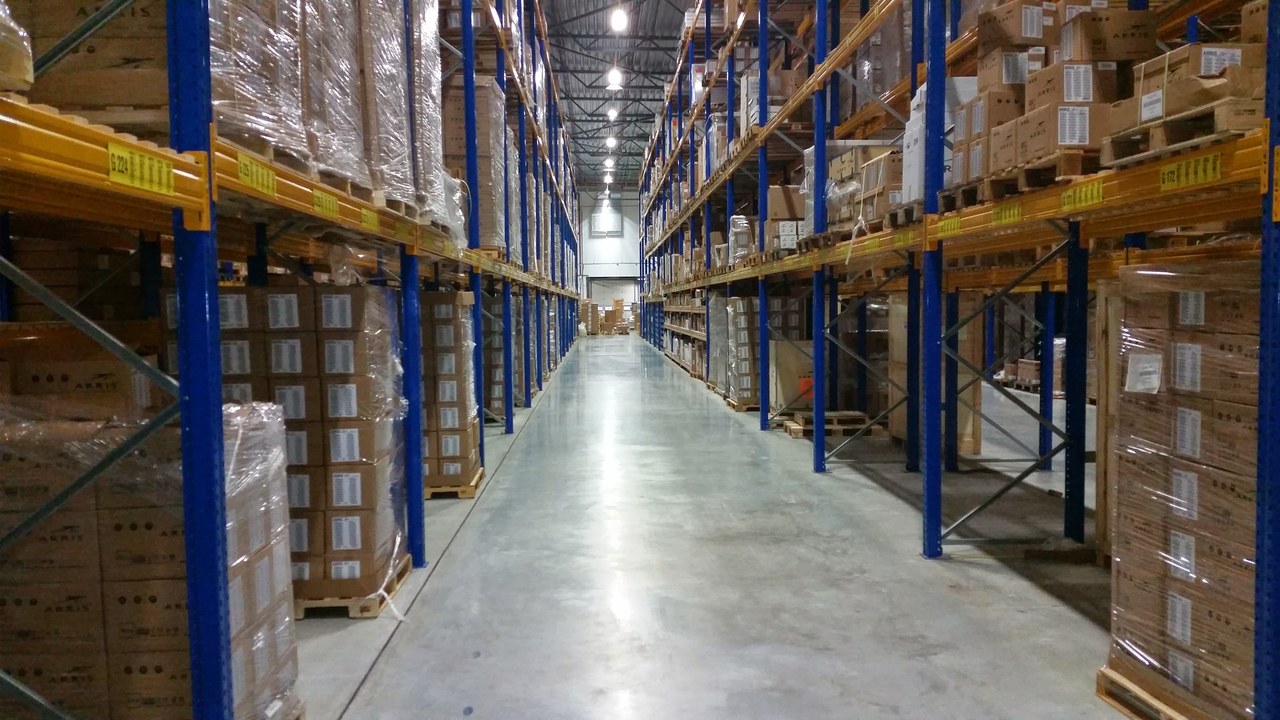
Birchstone Management, a warehousing and logistics management company based in Dallas, agreed to pay $55,000 to one woman the U.S. Equal Employment Opportunity Commission says was turned away from a pallet repairer job in Spokane Valley, Washington. The payment is part of a $500,000 settlement announced October 6, 2026, with the other $445,000 going to…
-

Federal employees have to re-enroll in FSAFEDS for 2027 because participation does not carry over, and a new FSAFEDS card is offered for 2027
Federal employees who want a flexible spending account in 2027 have to sign up again. The Office of Personnel Management says participation in FSAFEDS, the federal FSA program, does not automatically continue from year to year, and current participants must re-enroll for Benefit Year 2027. The window is Open Season, which runs November 9 to…
-

Former Bank of America workers in California, New York and Illinois have until November 27 to dispute their unused vacation payout, and 120 days to cash the check when it lands
A $4.28 million settlement over unused vacation pay is headed to former Bank of America employees, and the money arrives by mail without a claim form. The catch is timing: anyone who thinks the company’s vacation records are wrong has to say so in writing by November 27, and the check, once it comes, has…
-

New York’s unemployment phone and online systems go dark Nov. 2 at 5 p.m. for an upgrade expected to last 9 to 12 days, delaying benefit payments
New York’s unemployment phone lines and website will both shut down at 5 p.m. on Monday, Nov. 2, for a system upgrade the state expects to take 9 to 12 days. While the systems are dark, benefit payments will be delayed. The Labor Department says everyone will still be paid what they are owed once…
-
Indiana disaster victims in 24 counties have until Oct. 25 to apply for FEMA aid and those in 21 of those counties have until Oct. 27 for disaster unemployment benefits
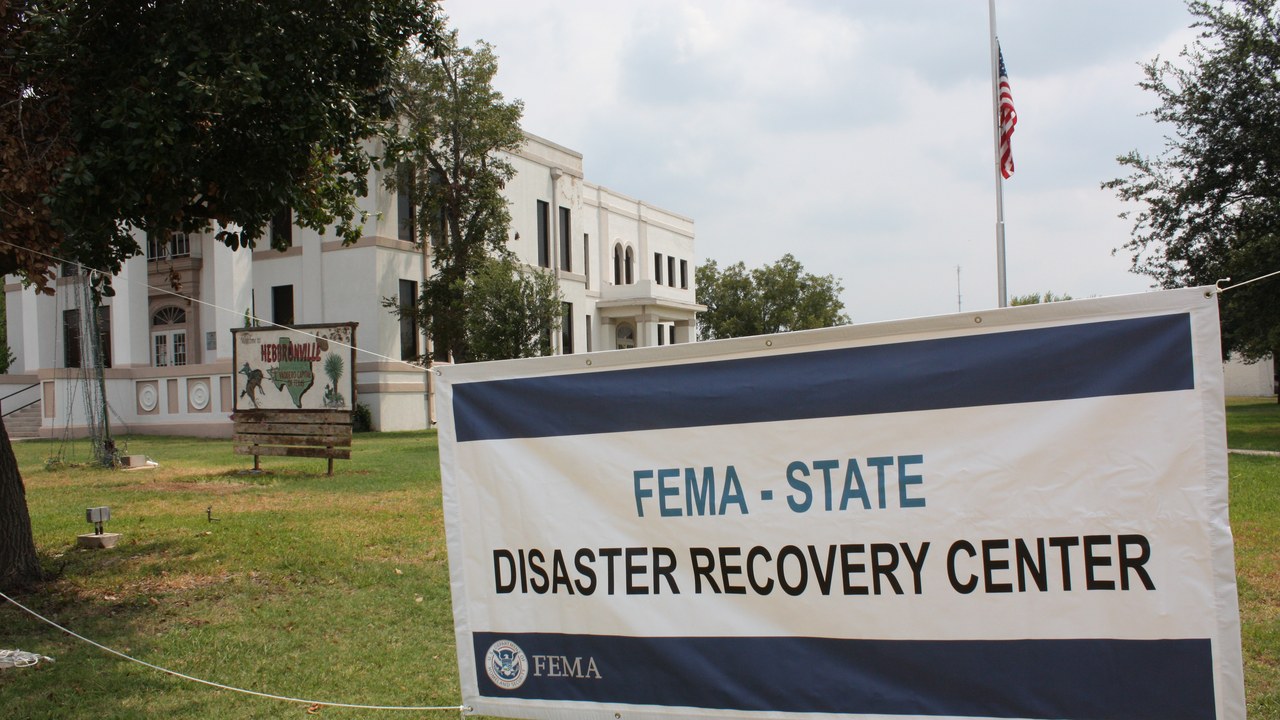
Hoosiers whose homes or jobs were hit by the severe storms of mid-August have two deadlines coming up. The Indiana Department of Homeland Security says people in 24 counties have until Oct. 25, 2026, to apply for FEMA Individual Assistance. The Indiana Department of Workforce Development says people in 21 of those counties have until…
-
Former Bank of America workers in three states who left without a payout for unused vacation are covered by a preliminarily approved settlement that pays without a claim
Former Bank of America employees who worked in California, New York or Illinois and left the bank with vacation time they were never paid for are covered by a class action settlement that pays without anyone filing a claim. The settlement’s official website says the case is Nguyen v. Bank of America, No. 5:23-cv-04999-PCP, and…
-

Beef and pork plant workers employed from 2000 to early 2024 can claim from $202.8 million in wage-fixing settlements until March 26, 2027
A job on a slaughter or cutting line at a beef or pork plant, held at any point in a 24-year stretch, may now count toward a payment. Class counsel says settlements in the red-meat wage-fixing case total $202.8 million, and workers employed between January 1, 2000 and February 27, 2024 have until March 26,…