
Category: Workplace Rights
-

A law-firm analysis of the CMS rule projects 2.3 million fewer people on Medicaid in fiscal year 2027, once the new work-reporting rule reaches the expansion group
A law firm’s analysis of a new federal work-reporting rule says about 2.3 million fewer people will be on Medicaid in fiscal year 2027. The Centers for Medicare & Medicaid Services issued the rule on June 1, 2026, and it applies to adults in the group of states that expanded Medicaid. The estimate appears in…
-

SSI subtracts what a disabled worker spends on the things needed to hold the job down before it counts any of the wages
Social Security treats some of what a disabled worker spends to do the job as money that never counts against a Supplemental Security Income check. Before the agency measures a worker’s wages against the SSI rules, it subtracts the cost of items and services the worker needs in order to work. The rule is easy…
-

A law signed October 15 writes into federal retirement law how a closely held company’s stock must be valued for the employees who own it through an ESOP
Employees who own part of their company through an Employee Stock Ownership Plan, or ESOP, now have a federal definition behind the price put on that stock. The Retire through Ownership Act was signed into law on October 15, 2026, and it writes into the Employee Retirement Income Security Act of 1974, known as ERISA,…
-

The Labor Department holds unclaimed back wages for three years
When the Labor Department recovers back wages for a worker and then cannot find that worker, it does not give up right away. The department’s Wage and Hour Division says it holds the money for three years while it keeps trying to locate the person. If it still cannot, the money goes to the U.S.…
-

Federal workers get their civilian service, and honorable active military service, counted toward family and medical leave eligibility from December 14 unless significant adverse comments arrive by November 16
The Office of Personnel Management has published a rule that changes who qualifies for family and medical leave in the federal government. Civilian federal service, and honorable active military service, would both count toward the 12 months a federal employee needs before taking that leave. The change is set to take effect on December 14,…
-

Federal agencies face a 12-week ceiling on administrative leave for any single workforce realignment unless OPM and OMB approve more, under a rule effective November 18, alongside the 10-workday yearly limit on investigative use
Federal agencies that reorganize can keep an employee on paid administrative leave for no more than 12 weeks in any single workforce realignment, unless the Office of Personnel Management and the Office of Management and Budget jointly approve more. The rule that locks that in takes effect November 18, 2026. A separate 10-workday yearly limit…
-

State unemployment agencies must hand confidential claim information to federal officials from November 16, with slower states given until September 2027
State unemployment offices will be required to share confidential claim information with federal officials starting November 16, 2026, under a final rule from the Labor Department. States that must change their own laws to comply have until September 16, 2027. The rule turns what had been a permission into a duty for every state agency…
-

Federal workers and retirees have from November 9 to December 14 to change 2027 health coverage, choosing among 118 FEHB plan options from 45 carriers
Federal employees and retirees will have five weeks this fall to change their health coverage for 2027. The Office of Personnel Management says its yearly Open Season runs from November 9 through December 14, 2026. In the Federal Employees Health Benefits program, known as FEHB, the choice this year is among 118 plan options from…
-

Federal workers in agency workforce realignments get no more than 12 weeks of administrative leave per instance from November 18 without OPM and OMB approval
Federal employees caught in an agency workforce realignment will be limited to 12 weeks of administrative leave in any single instance starting November 18, 2026. Only a higher threshold approved jointly by the Office of Personnel Management and the Office of Management and Budget can stretch that. The cap is in an OPM final rule,…
-
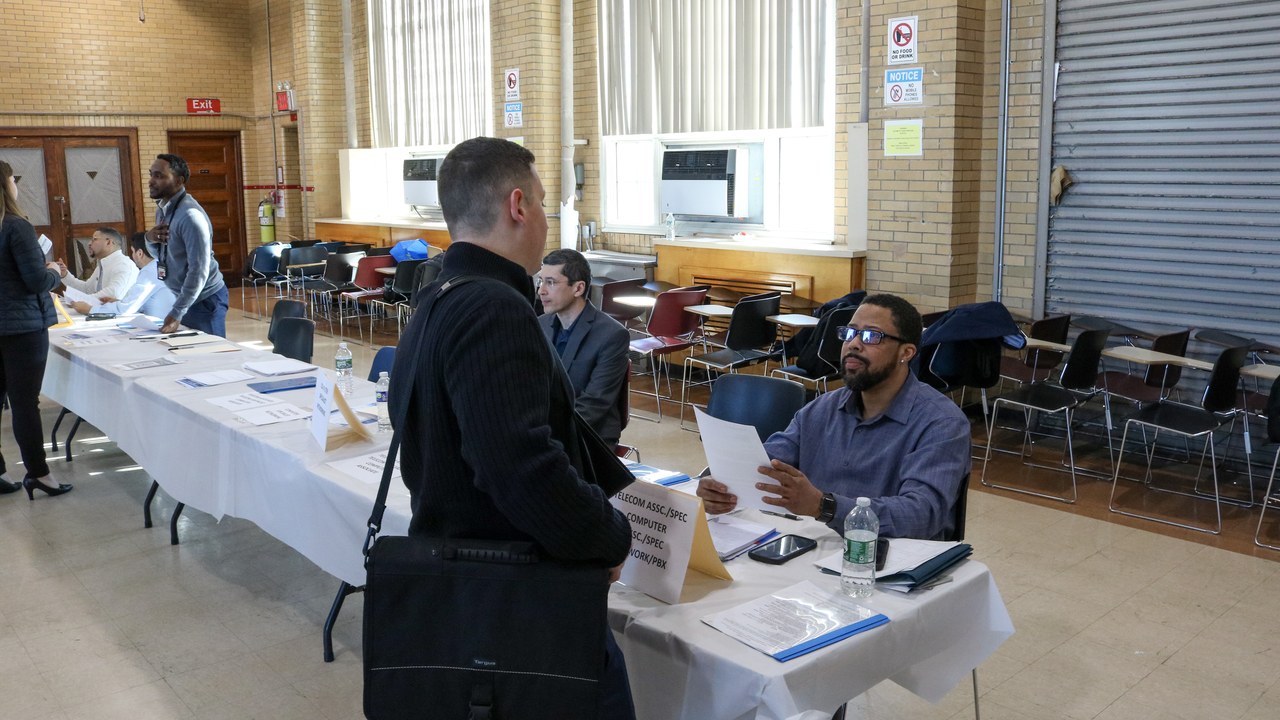
Immigrant workers who filed work-permit renewals on or after October 30, 2025 no longer get up to 540 extra days to keep working while they wait
Immigrant workers who file to renew a work permit no longer get up to 540 extra days of permission to keep working while the renewal is pending, if they filed on or after October 30, 2025. The Department of Homeland Security made that permanent with a final rule that took effect October 14, 2026. The…