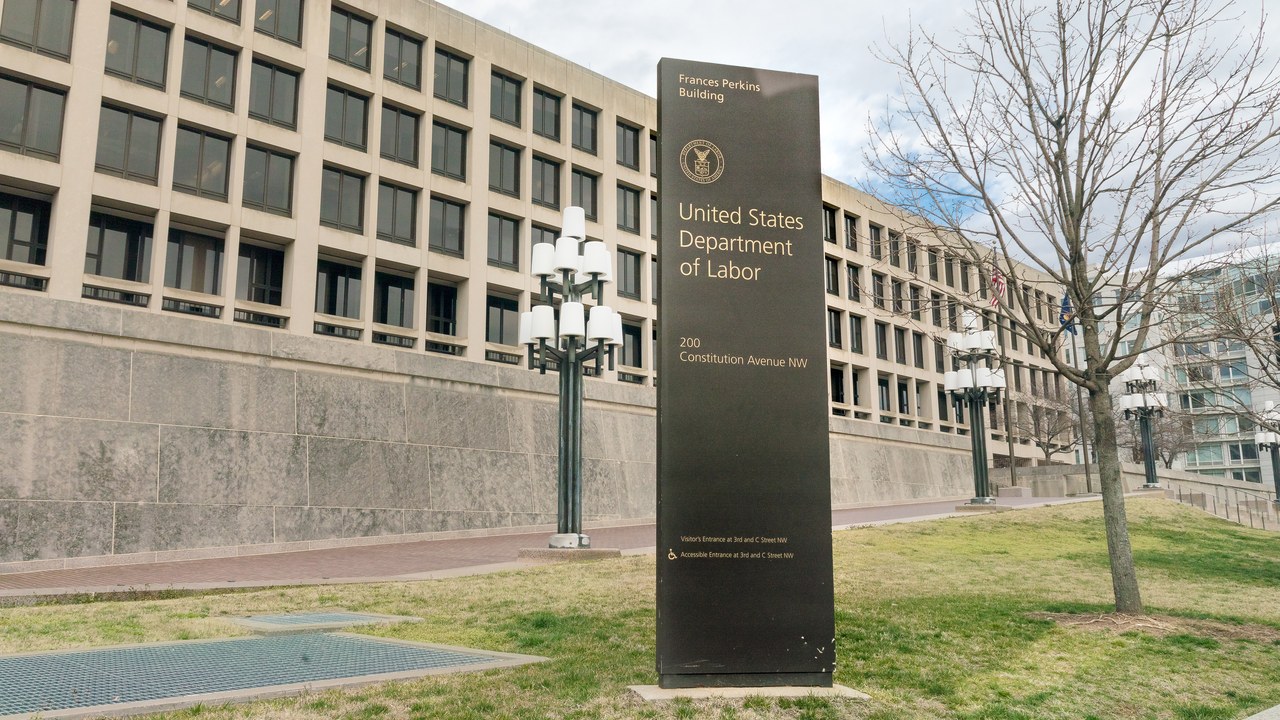
Executive Order 11246 never worked by inspecting anyone. It worked through a clause. Since 1965, covered federal contracts had to carry an equal opportunity clause, and a body of regulations sitting behind that clause told contractors exactly what they owed the people they hired and the people who applied: written plans, workforce analyses, records kept for a set number of years, and an annual demographic report. On August 21, 2026, the Labor Department published a final rule that removes those regulations from the books effective October 26.
How the equal opportunity clause reached ordinary workers
The order covered federal contractors and subcontractors, and it prohibited discrimination on the basis of race, color, religion, sex, sexual orientation, gender identity, and national origin. It also prohibited retaliation against employees who inquired about, discussed, or disclosed their own compensation or the compensation of others, a protection added by amendment in 2014. Those categories were not added all at once: sex arrived in 1967, a religious exemption for certain employers in 2002, and sexual orientation and gender identity in 2014.
The clause reached workers through paperwork obligations rather than through a complaint line. Contractors meeting the thresholds had to file an annual Employer Information Report, the EEO-1, with the Equal Employment Opportunity Commission, breaking out their workforce by job category, sex, race, and ethnicity. They also had to preserve personnel and employment records for two years, or one year for a smaller contractor, and had to be able to identify the gender, race, and ethnicity of each employee in those records.
Free retirement updates: Want plain-English help keeping more of your money in retirement? The free Retirement Shield newsletter covers the benefits, deadlines, and money mistakes that cost retirees, a couple times a week. Subscribe free.
Executive Order 14173 removed the order the regulations implemented
The chain of events starts before the rulemaking. On January 21, 2025, Executive Order 14173, titled “Ending Illegal Discrimination and Restoring Merit-Based Opportunity,” revoked Executive Order 11246 outright. That left the Labor Department administering a set of regulations whose underlying authority no longer existed. The Department proposed rescinding them on July 1, 2025, extended the public comment period into September of that year, and issued the result as a final rule this month.
The Department’s stated reasoning in the published rule runs on two tracks. It concludes that the revocation of the order by itself is an independent and sufficient ground for rescinding the regulations. It separately concludes that significant portions of the framework are legally vulnerable on constitutional and statutory grounds, an argument it develops at length against both the race-conscious and the sex-conscious provisions.
The thresholds behind affirmative action programs were set in 1968 and 1978
Two dollar figures decided which employers were covered, and neither has been touched for inflation in decades. A nonconstruction contractor with 50 or more employees and a contract of at least $50,000 had to develop and maintain a written affirmative action program for each of its establishments. The Department notes in the rule that the $50,000 threshold was promulgated in 1968 and has never been updated. For federal and federally assisted construction contracts, the trigger was $10,000, a figure set in 1978 and likewise never adjusted.
What those plans required was measurement. Under the nonconstruction regulations, a contractor compared the racial, ethnic, and sex composition of each job group against availability in the relevant labor market, and where the share of minorities or women fell below what availability predicted, it had to set a placement goal at least equal to that availability figure. Construction contractors worked from a different mechanism under the construction regulations, with a female participation goal set at 6.9 percent of total hours worked in each trade and separate minority participation goals by geographic area.
What comes off the books, and what happens to enforcement
The rule rescinds the regulations that carried these obligations, including the parts governing the equal opportunity clause itself, the nonconstruction affirmative action program requirements, the construction contract specifications, and the regulations interpreting what counted as sex discrimination under the order. It also modifies the administrative enforcement procedures to strip out the Executive Order 11246 components.
Those enforcement procedures mattered because they were where money changed hands. The Office of Federal Contract Compliance Programs was specifically authorized to seek back pay and other make-whole relief for victims of discrimination through administrative proceedings adjudicated by a Labor Department administrative law judge, with review by the Administrative Review Board. The order’s own sanctions section, by contrast, listed publication of a noncompliant contractor’s name, cancellation or suspension of contracts, and debarment.
Section 503, VEVRAA, and Title VII are separate authorities
The procedural regulations being amended do not exist solely for this order. The same part also governs administrative proceedings brought under Section 503 of the Rehabilitation Act of 1973 and under the Vietnam Era Veterans’ Readjustment Assistance Act, which are statutes passed by Congress rather than obligations created by executive order. The compliance office remains the agency named in those regulations.
Title VII of the Civil Rights Act of 1964 also sits outside this rulemaking entirely. Executive Order 11246 itself authorized the Secretary of Labor to recommend that the Justice Department or the EEOC institute proceedings under Title VII, which is the route through which monetary damages could be sought in federal court. The rule’s own discussion treats Title VII as the standard against which it measures the rescinded regulations. The date to mark is October 26, 2026, which the rule’s DATES section states plainly.
This article was produced with AI assistance and reviewed by a human editor. Figures are linked to their primary sources; where a claim could not be verified from the public record, we say so.
More Financial Reading