
Category: Cost of Living
-

EIA expects gasoline to average $3.35 next year, about 49 cents below this year
Gas prices are set to fall further in 2027 than they have in years, according to the government’s own numbers — but only after a run-up this year that is still working its way through household budgets. The Energy Information Administration’s September Short-Term Energy Outlook forecasts the retail price of gasoline at $3.35 a gallon…
-
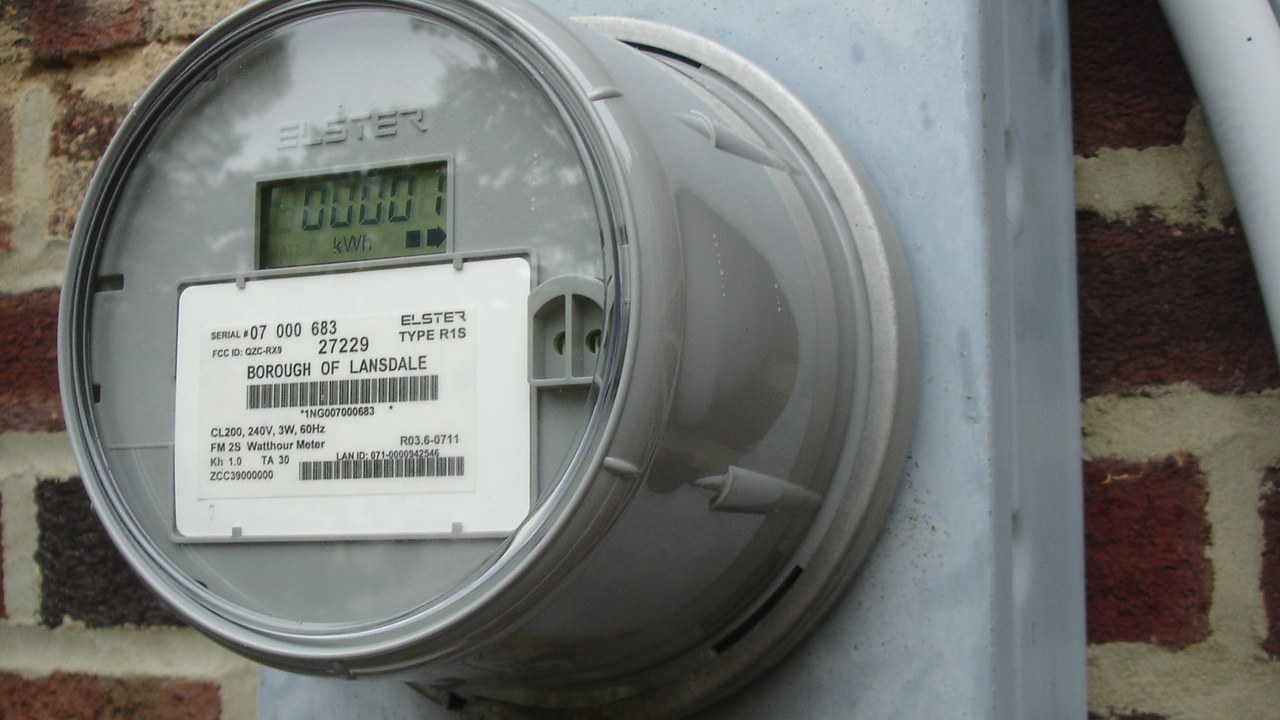
EIA projects the average household will pay 18.6 cents a kilowatt-hour in 2027, up from 16.5 in 2024
The federal government’s main energy forecaster expects the average U.S. household’s electricity rate to keep climbing over the next two years, even as the pace of the increase slows from where it has been. The Energy Information Administration’s September Short-Term Energy Outlook puts the residential price at 18.6 cents per kilowatt-hour in 2027, up from…
-

Fuel oil prices rose 10.1 percent in August alone, with the heating season weeks away
Fuel oil prices jumped 10.1 percent in a single month, the U.S. Bureau of Labor Statistics reported this month in its latest Consumer Price Index summary, just as the households that heat with it start thinking about their first delivery of the season. Fuel oil is a small line in most family budgets nationally, but…
-

A new order tells the Agriculture Department to look again at what a Product of USA label on beef means
An executive order signed at the White House on September 4, 2026, sends the Department of Agriculture back to review a label that shows up on packages of ground beef and steak in nearly every supermarket in the country. Executive Order 14425, “Supporting America’s Ranchers,” does not change what that label means today. It gives…
-

The government no longer measures local utility inflation, so a national water and trash figure now sets part of the rent ceiling
Every year, the U.S. Department of Housing and Urban Development sets a number for nearly every metro and county in the country called the Fair Market Rent. It is not a suggestion. It is the ceiling that decides how big a monthly rent subsidy a Housing Choice Voucher household can get, and it feeds into…
-

Housing agencies must cut the rent ceiling on emergency vouchers back to 110 percent of the local standard
Public housing agencies that run two pandemic-era rental assistance programs just lost the extra room they’ve had for years to stretch a voucher into a pricier apartment. The U.S. Department of Housing and Urban Development has ordered every agency administering Emergency Housing Vouchers and Stability Vouchers to bring the most it will subsidize on a…
-

Brent crude averaged $91 a barrel last month, $7 more than the month before
Oil turned meaningfully more expensive in August, and the federal government’s own energy statisticians have the number. The U.S. Energy Information Administration reports that the Brent crude oil spot price, the global benchmark that shapes most of what drivers pay at the pump in the United States, averaged $91 a barrel for the month, up…
-

The government expects diesel stockpiles to fall below 100 million barrels in October, a first since 2003
The U.S. Energy Information Administration said this week that the nation’s stockpile of diesel fuel is on pace to fall below 100 million barrels in October, a level the country has not seen since 2003. The forecast, published in EIA’s September Short-Term Energy Outlook, means the fuel that moves nearly every truck, train and tractor…
-

Amazon’s steepest shipping surcharge of the year runs from November 22 to December 26
Amazon Shipping, the company’s parcel delivery service for businesses, adds a temporary surcharge on top of its regular rates every autumn, and the 2026 version costs more than last year’s did. The steepest stretch of the year falls in a five-week window between November 22 and December 26, exactly when U.S. households do most of…
-

Rent and homeowner costs are up 3 percent over the year, and the climb picked up again last month
Shelter is the single biggest line in most household budgets, and the government’s latest reading on it points the wrong way. After a monthly increase of just 0.1 percent in July, the shelter index jumped 0.3 percent in August, according to the Bureau of Labor Statistics. Over the past twelve months, shelter costs are now…