
Category: Government Programs
-

SNAP’s work time limit has no statewide waiver anywhere as of October 1, leaving 41 states and territories with no waived areas
No state has a statewide waiver from SNAP’s work time limit this fall, and most of the country has no waiver at all. The U.S. Department of Agriculture’s list of waivers in effect as of October 1, 2026, shows zero statewide waivers, 12 states with waivers that cover only parts of the state, and 41…
-

Food stamp households with someone 60 or older or disabled skip SNAP’s gross income test and only need net income under $1,804 a month for a couple
Households on food stamps, officially the Supplemental Nutrition Assistance Program, or SNAP, get an easier income test when someone in the home is 60 or older or has a disability. Those households skip the gross income test altogether and only have to come in under the net income limit, which is $1,804 a month for…
-

Food stamp recipients 55 to 64 without a child under 14 must log 80 work hours a month, unless exempt, or lose SNAP after three months in three years
Older adults on food stamps now face a work clock that used to stop at age 54. Since the summer of 2025, SNAP recipients from 55 through 64 who have no child under 14 at home have to log 80 hours of work, training or volunteering a month. Those who do not can lose their…
-

Medicaid enrollees flagged under the work rule states must start by January 1 get 30 calendar days to prove they comply before losing coverage
Medicaid’s new work rule gives a flagged enrollee 30 calendar days to show they comply before a state can deny or end their coverage. The Centers for Medicare & Medicaid Services (CMS) set that step in an interim final rule issued June 1, 2026, and its fact sheet says states must generally put the requirement…
-

USDA lists a December 1 target for Nebraska’s SNAP soda limit while it reviews a new request, followed by targets for SNAP purchase limits in Wyoming on February 1, Kansas and Missouri on February 15, and Hawaii and Ohio on April 1
Ohio is on USDA’s list of states with a SNAP purchase limit planned for 2027. The SNAP food restriction waiver table, updated October 13, 2026, gives April 1, 2027 as Ohio’s target date for limiting sugar-sweetened beverages. The same table lists Wyoming on February 1, Kansas and Missouri on February 15, and Hawaii on April…
-
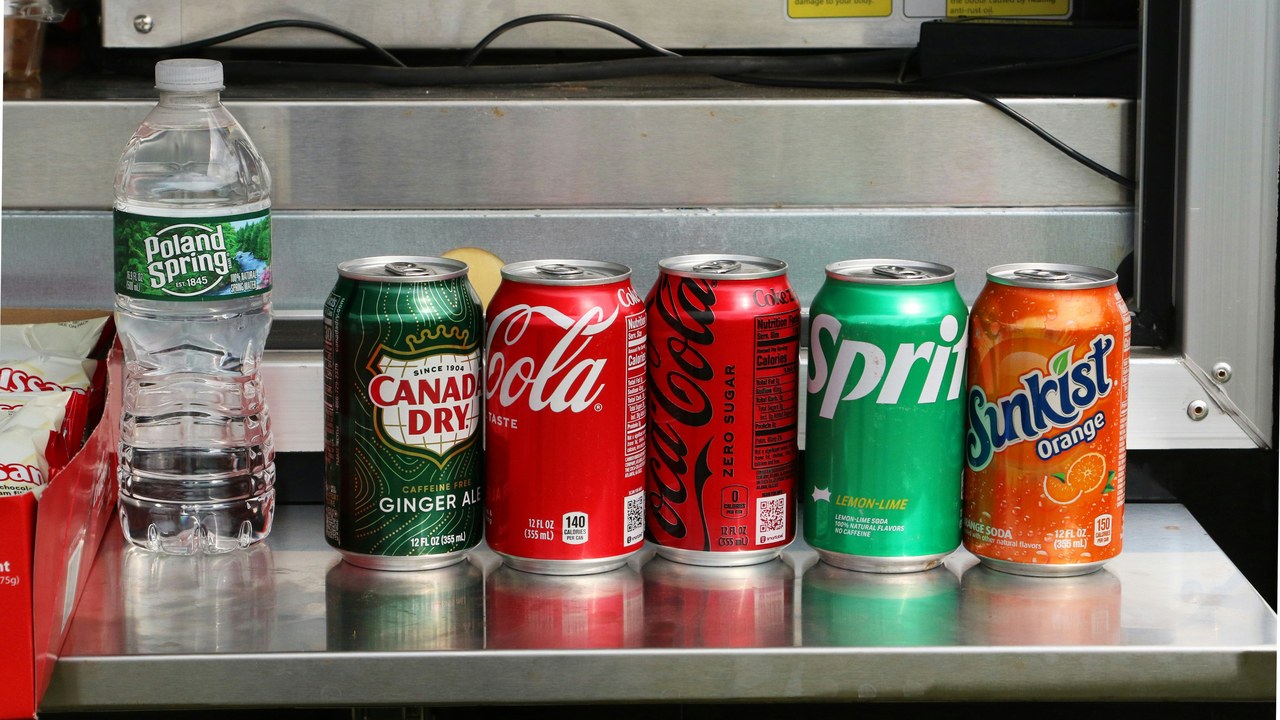
Montana, North Dakota, South Carolina and Virginia start SNAP limits on sugary drinks November 1, while USDA now lists Ohio’s start as April 1, 2027
USDA’s list of SNAP food-restriction waivers, updated October 13, shows four states with a November 1 start for limits on sugary drinks: Montana, North Dakota, South Carolina and Virginia. Ohio, which was supposed to begin October 1, now carries an April 1, 2027 target on the same USDA table. For a household that pays for…
-

Virginia’s old SNAP magstripe cards stop working 60 days after chip cards mail
Virginia households on SNAP will lose the use of their old magnetic stripe EBT card 60 days after the state mails the new chip card, whether or not the new card has been activated. The Virginia Department of Social Services says the old card “will automatically deactivate 60 days after the new card is mailed,…
-

Nine FEHB plans and one postal health plan end in 2027, and enrollees who skip the November 9 to December 14 open season get moved to a default plan
Ten federal health plans will not be offered next year, the Office of Personnel Management (OPM) says: nine in the Federal Employees Health Benefits (FEHB) Program and one in the Postal Service Health Benefits (PSHB) Program. Enrollees in those plans have to choose a new one during open season, which runs from November 9 through…
-

SNAP’s general work rules apply to people aged 16 to 59 who are able to work, while the three-month time limit now covers ages 18 to 64
SNAP has two separate work rules, and they cover different age groups. The general work requirements apply to people aged 16 to 59 who are able to work, while the three-month time limit now reaches ages 18 to 64. A person aged 60 to 64 is outside the first rule and inside the second unless…
-

SNAP subtracts a fifth of a household’s earned income before testing it against the net income limit
SNAP takes 20 percent off a household’s earned income before the program tests what is left against the net income limit, according to the Department of Agriculture’s eligibility page, which was updated October 1, 2026. The deduction is one of several, and it applies to wages and other earnings only. For a household of one,…