
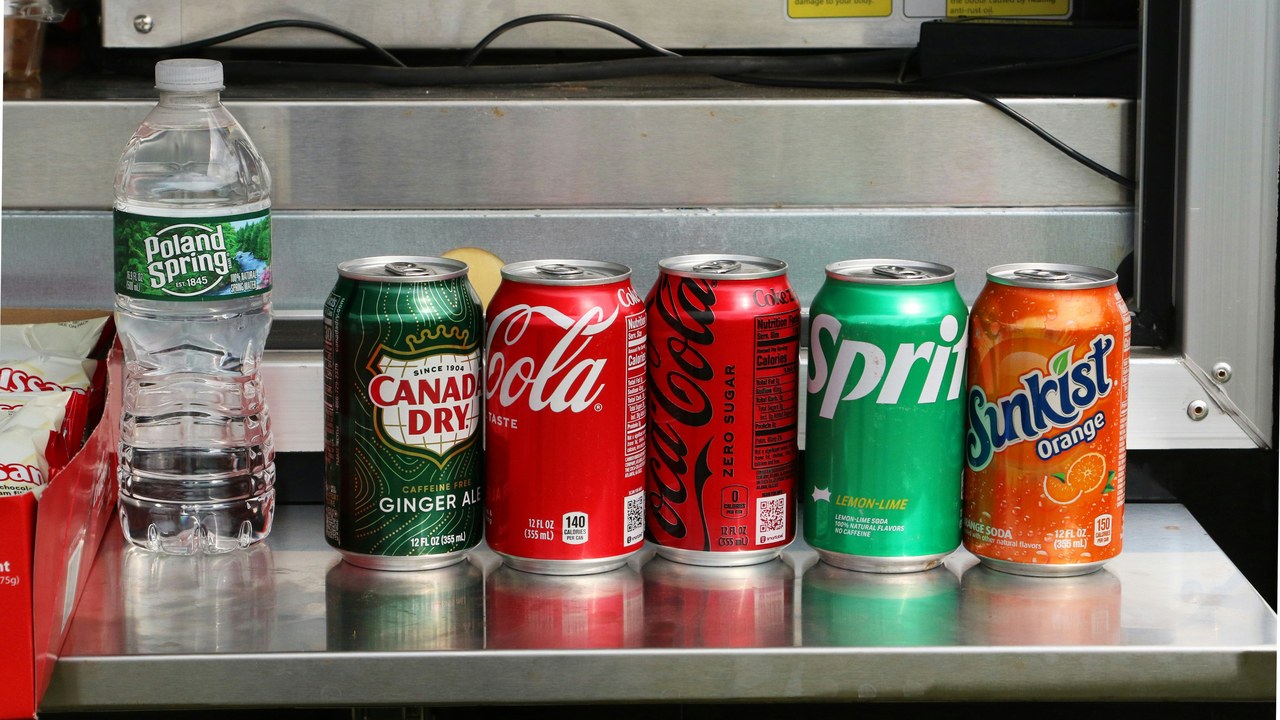
USDA’s list of SNAP food-restriction waivers, updated October 13, shows four states with a November 1 start for limits on sugary drinks: Montana, North Dakota, South Carolina and Virginia. Ohio, which was supposed to begin October 1, now carries an April 1, 2027 target on the same USDA table. For a household that pays for groceries with an EBT card, the question is whether soda, energy drinks and other sweetened beverages will still ring up as SNAP purchases after the first of the month.
What each of the four states restricts
The Food and Nutrition Service lists the scope of each waiver in its own words, and the four are not identical:
- Montana: high-sugar beverages, energy drinks, candy and prepared desserts
- North Dakota: sweetened beverages, energy drinks and candy
- South Carolina: candy, energy drinks, soft drinks and sweetened beverages
- Virginia: “sweetened beverages”
Virginia’s Department of Social Services says the change takes effect November 1, 2026, and its SNAP beverage resource page carries flyers and a flowchart showing which drinks stay SNAP-eligible, plus a retailer letter dated August 8. The state’s page, as posted, does not spell out the drink list in text. South Carolina’s version is clearer on one point: diet and zero-sugar soft drinks remain allowable purchases, WTOC reported.
So what does a SNAP household in one of those four states have to settle before November 1? The card and the monthly benefit are not what changes. The shopping list is. A cart that includes sweetened drinks, energy drinks or, in three of the four states, candy will have items that SNAP dollars no longer cover, and the household decides whether to drop them or pay for them from other money.
Four states share a November 1 start, Ohio’s date has already slid to April 1, 2027, and USDA’s table is where each change shows up first.
Get the deadline alerts before they pass →
Two November 1 dates were already pushed back once
South Carolina’s project was set to begin August 31. A USDA memo dated August 25 asked the state to wait, and the new date became November 1, according to ABC News 4 in Charleston. The stated reason was procedural: USDA’s Food and Nutrition Service wanted to publish a notice in the Federal Register and weigh public comments before implementation.
North Dakota’s start moved from September 1 to November 1 for the same reason. Rebecca Askins, economic assistance director at the state’s Department of Health and Human Services, said the pause “provides an opportunity for our federal partners and retailers to continue to prepare,” as the North Dakota Monitor reported. The department said Shiela Corley, the acting administrator of the federal food and nutrition agency, made the request. A court’s ruling against similar restrictions elsewhere, which faulted USDA for not publishing notice and taking comment, sat behind the requests.
Ohio’s move to April 1, 2027
Ohio’s drink limit was originally set to begin October 1. On September 8, Ohio Department of Job and Family Services Director Matt Damschroder announced a pause at the federal agency’s request, with no new date at the time, according to Spectrum News. The October 13 USDA table now puts Ohio’s target at April 1, 2027, and describes the waiver as covering sugar-sweetened beverages and all fountain drinks. Of the dates on the table, that is the new one: Ohio went from a start that was weeks away to one roughly five months after the other four.
States where a court stopped the limits
The same USDA page says that on June 22, 2026, a court ordered that “FNA’s approval of the waiver be vacated and that the waiver’s implementation may not proceed.” That order applies to Colorado, Iowa, Tennessee and West Virginia, and none of the four lists a start date. Other states are further out: Kansas and Missouri target February 15, 2027, Wyoming February 1, 2027, and Hawaii April 1, 2027. The pattern is that a date on the table is a target, and four of them have already moved.
Checking a state’s list before November 1
The page to bookmark is the USDA waiver table, which shows the “Page updated” date at the top and each state’s current target. If the date next to a state changes, that is where it will appear first. The state SNAP agency has the drink-by-drink list, and Virginia’s flowchart is an example of what to look for.
Before the first November grocery trip, it helps to look at one recent receipt and mark the sweetened drinks, energy drinks and candy. That total is the amount a state limit would move off the EBT card. For a household that buys a case of soda a week, the cost of the habit shows up in cash, so the shift is worth working into the monthly food budget while the date is still ahead.
Retailers got their notice first. Virginia says its letter to retailers went out August 8, so stores in these states have had months to prepare their registers. The state agency’s list, not a cashier’s guess, is the one to rely on.
More Financial Reading
- 24 Ways to Stretch a $2,087 Social Security Check
- 17 Places to Find Your Share of the $4.25 Billion States Give Back
- 16 Steps to Stop the Scams That Took $7.7 Billion From Seniors
This article was produced with AI assistance and edited for accuracy against the sources linked above.


