
Category: Government Programs
-

USDA’s own public work-requirements page still tells readers the SNAP time limit stops at 54
The U.S. Department of Agriculture’s public SNAP page on work requirements still describes the time limit as applying to adults aged 18 to 54. That is out of step with a USDA memo dated October 3, 2025, which says people aged 18 to 64 are now subject to the limit. The page, which USDA’s Food…
-

Nebraska’s plan to exclude soda from SNAP in December is still only proposed, and USDA says it is considering it
Nebraska has asked to stop SNAP benefits from paying for soda starting December 1, but no approval exists yet. The state’s request is a proposal, and the U.S. Department of Agriculture has said only that it is weighing it. Until USDA publishes a decision, SNAP shoppers in Nebraska can still buy soda with their benefits.…
-

Washington says its SNAP recipients only face the three-month time limit after a screening at their next eligibility review
Washington households that get Basic Food, the state’s name for SNAP, are sorted for the federal three-month time limit at a specific moment: when a caseworker screens the case at an eligibility review. The state’s eligibility manual revision, issued May 26, 2026, tells staff to screen for the limit “at application, eligibility review, and when…
-

The federal food aid law keeps paying monthly benefits past December 11 but funds the rest of the program only to that date
Congress wrote a December 11 date into the stopgap spending law, and the date can sound like the day food aid stops. The text says something narrower. The authority to run the Food and Nutrition Act activities that include SNAP is funded only through December 11, 2026, while a separate clause lets monthly benefit payments…
-

A SNAP recipient who misses the 80-hour monthly work rule loses benefits after three months and must meet it for a full 30 days or qualify for an exception to get them back
Adults on SNAP who fall under the program’s time limit can keep their food benefits for only three months unless they put in 80 hours of work or a work program each month. The Agriculture Department’s Food and Nutrition Service spells out the penalty and the way back on its work requirements page: miss the…
-

SNAP cuts able-bodied adults without dependents off after three months without 80 work hours a month
Under SNAP’s time limit, an able-bodied adult without dependents can get benefits for only three months in a three-year period unless they work or take part in a work program for at least 80 hours a month. USDA’s Food and Nutrition Service spells out the rule on its SNAP work requirements page, and it applies…
-

North Carolina’s State Health Plan closes 2027 enrollment on November 6
North Carolina State Health Plan members have until November 6, 2026, to make their 2027 coverage choices. The plan’s website says “2027 Open Enrollment is Oct. 12-Nov. 6, 2026,” and it opened today. The window is a week longer than the October 30 end date the plan announced over the summer. The dates, and the…
-

USDA’s own work-requirement page still lists the old age range for SNAP time limits and says it is still preparing the new guidance
USDA’s SNAP work-requirements page, last updated July 16, 2026, still describes the time limit as applying to adults ages 18 to 54. That is the old range. A separate USDA document says the limit now covers adults 18 through 64, and the work-requirements page itself says USDA is still preparing guidance on how the 2025…
-

Retired Tennessee local education teachers with 30-plus years of service will pay $470.80 a month for retiree-only Premier PPO coverage on Network S in 2027, with a $345.95 copay plan the cheapest on the menu
Tennessee’s 2027 premium table for local education retirees puts retiree-only Premier PPO coverage at $470.80 a month for a retired teacher with 30 or more years of service on Network S. The cheapest choice on the same table is the $345.95 Copay PPO, which is offered only on Blue Cross Blue Shield of Tennessee’s Network…
-
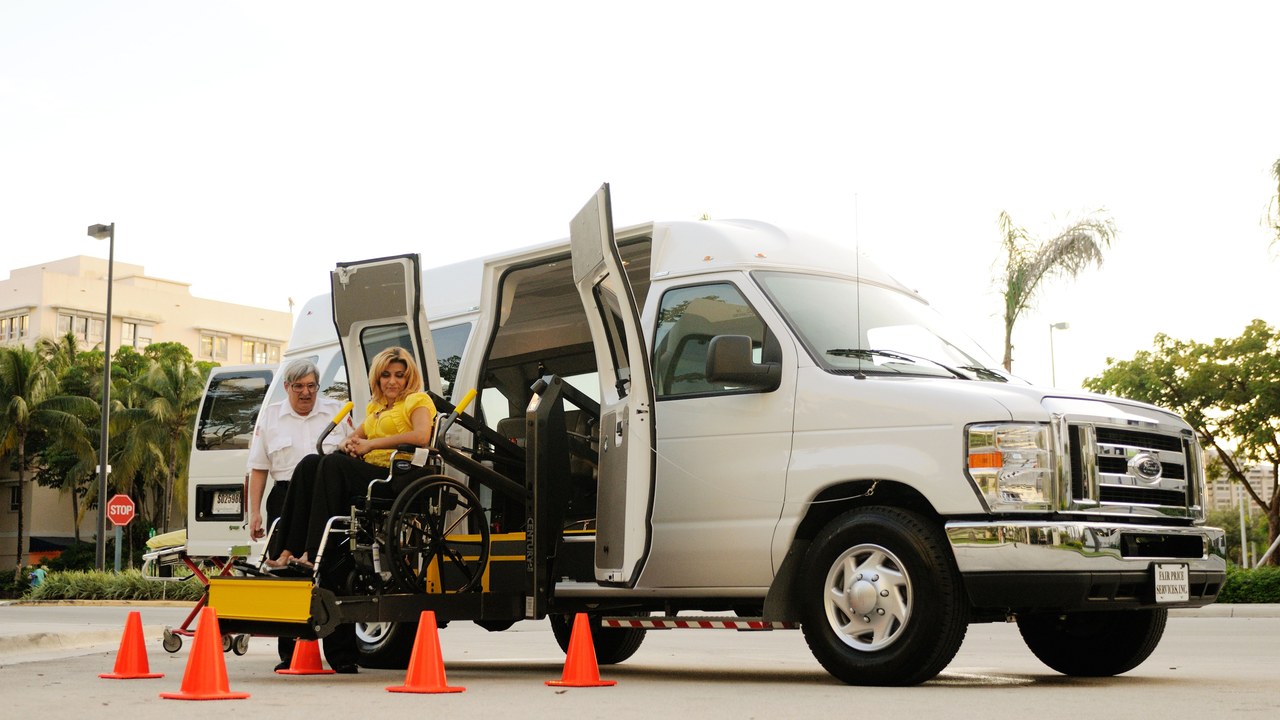
A veteran who cannot drive because of a qualifying service-connected disability can now get a one-time grant of up to $27,908.90 toward a vehicle
Veterans Affairs now lists a one-time automobile allowance of up to $27,908.90 toward a specially equipped vehicle, effective October 1, 2026. It is meant for a veteran whose service-connected disability keeps them from driving, and VA pays it to the seller of the vehicle, not to the veteran. The figure comes from VA’s special benefit…