
Category: Government Programs
-

Stolen SNAP benefits have not been federally replaced since December 2024, and only two states cover the loss
Congress let the program that replaced stolen SNAP benefits expire on December 20, 2024, and it has not come back since. For a household whose EBT card gets skimmed or cloned today, that means there is no federal check waiting at the end of a claim form in nearly every state in the country. Only…
-

Refugees and asylees lose non-emergency Medicaid coverage on October 1
Thirty-three days from now, on October 1, 2026, the federal government will stop matching state Medicaid dollars spent on non-emergency care for refugees, asylees, parolees and trafficking survivors nationwide. The cutoff comes from a single provision in this year’s federal budget law, and it does not change anyone’s legal immigration status. It removes the federal…
-

Surviving spouses of veterans who died from a service-connected illness can claim tax-free VA payments
A tax-free monthly benefit exists for the surviving families of veterans who died from a service-connected illness or injury, and many of them never claim it. The program, called Dependency and Indemnity Compensation, can be a meaningful and lasting source of income for a surviving spouse. Knowing it exists, and who qualifies, is the first…
-

A spouse still living at home is protected when Medicaid recovers nursing-home costs from an estate
Families often hear a frightening version of Medicaid estate recovery: that the state will take the family home to pay for a parent’s nursing care. The reality is more protective than the rumor. Federal rules require states to try to recover long-term-care costs, but they also shield a surviving spouse who still lives in the…
-

Medicaid enrollees must reprove eligibility every six months in 2027 or risk losing coverage
A major change to Medicaid arrives in 2027, and it is as much about paperwork as it is about work. Under the 2025 federal law, many adults on Medicaid will have to document that they are working or doing qualifying activities and reprove their eligibility every six months instead of once a year. The new…
-

Supplemental Security Income adds a monthly federal check for low-income seniors and disabled adults
A lot of older Americans on a tight income assume there is nothing beyond their Social Security check, and they are often wrong. Supplemental Security Income is a separate federal benefit that pays a monthly amount to people who are 65 or older, blind, or disabled and who have very little income and few assets.…
-

Eighteen states will block SNAP cards from buying soda and candy under new waivers
For millions of families who buy groceries with a SNAP card, the list of what the benefit can pay for is about to get shorter. A wave of state waivers approved by the U.S. Department of Agriculture will bar SNAP from covering soda and candy, and after a court trimmed the list, roughly eighteen states…
-

Medicaid can put a claim on your home after paying for nursing-home care
For many families, the family home is the single most valuable thing a parent leaves behind. What often goes unmentioned is that if that parent spent years in a nursing home on Medicaid, the state may come looking to be repaid out of the home’s value after death. It is called estate recovery, it is…
-

Medicaid work rules reach 44 states in 2027, and state sign-up help ends this month
Nearly every state is about to attach a work test to Medicaid, and one of the deadlines has almost nothing to do with the enrollees themselves. Before the new requirement takes hold in 44 states by the start of 2027, states were handed a narrow window to warn their members that the rules are coming…
-
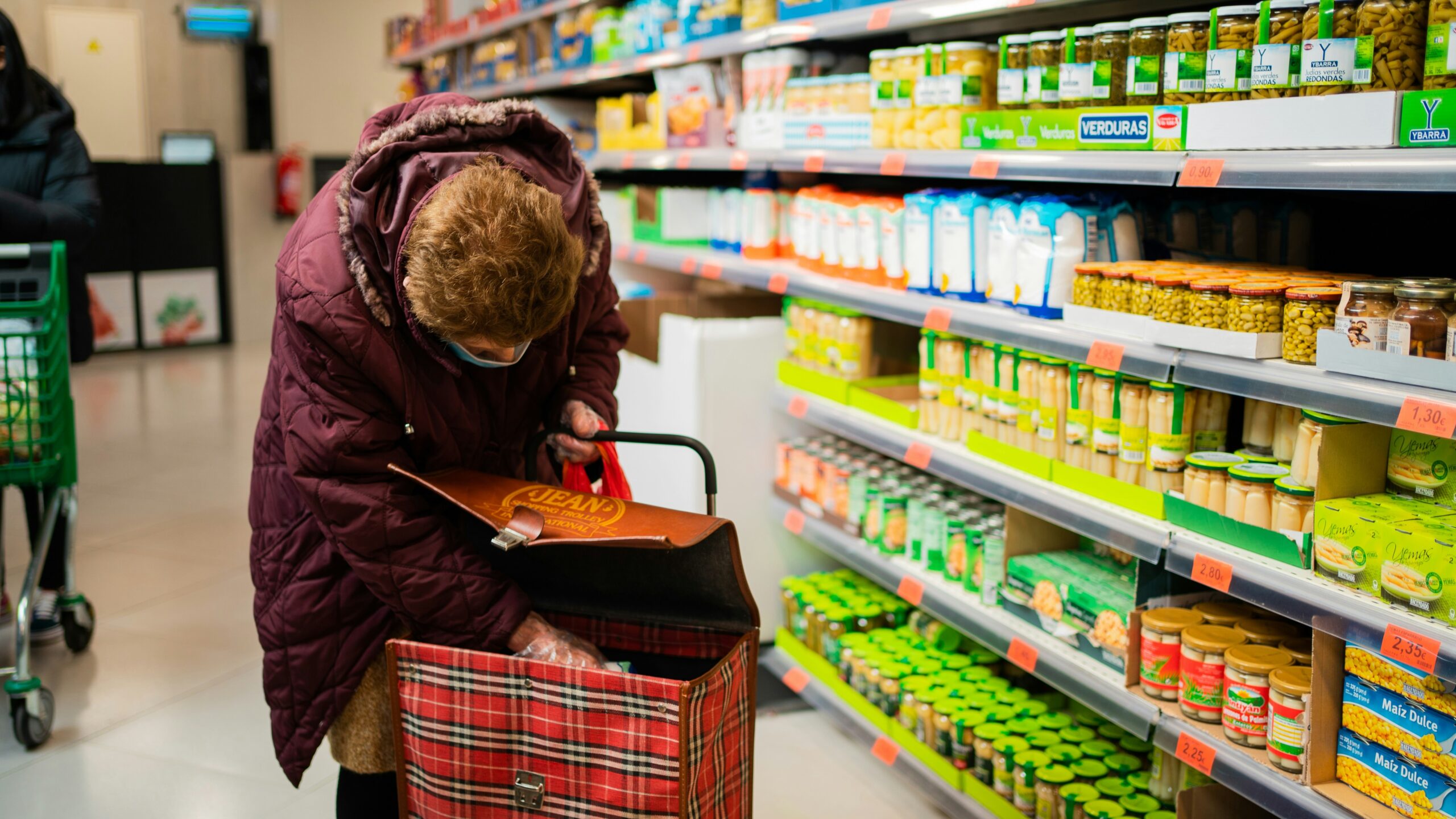
New SNAP work rules put more than 5 million people, including 800,000 children, at risk of losing food aid
A wave of paperwork is about to decide whether millions of American households keep help buying groceries. A 2025 law rewrote the work rules for the Supplemental Nutrition Assistance Program, and one of the most detailed analyses of the change estimates that more than 5 million people now live in households at risk of losing…
